AI as a Co-Designer: How Far Should Automation Go?

Written by

Chandani Sahani
UI/UX Designer
Table of contents
Build with Radial Code
Share this


Artificial Intelligence is transforming nearly every creative industry — from graphic design and architecture to product development and digital storytelling. What was once a realm ruled purely by human imagination is now shared with algorithms capable of generating art, layouts, and experiences in seconds. The concept of AI as a co-designer isn’t futuristic anymore, it’s happening now.
Yet this rapid evolution raises a profound question: How far should automation go in the creative process? As AI takes on more of the design workload, we’re being forced to reimagine what it truly means to create.
The Evolution of AI in Design
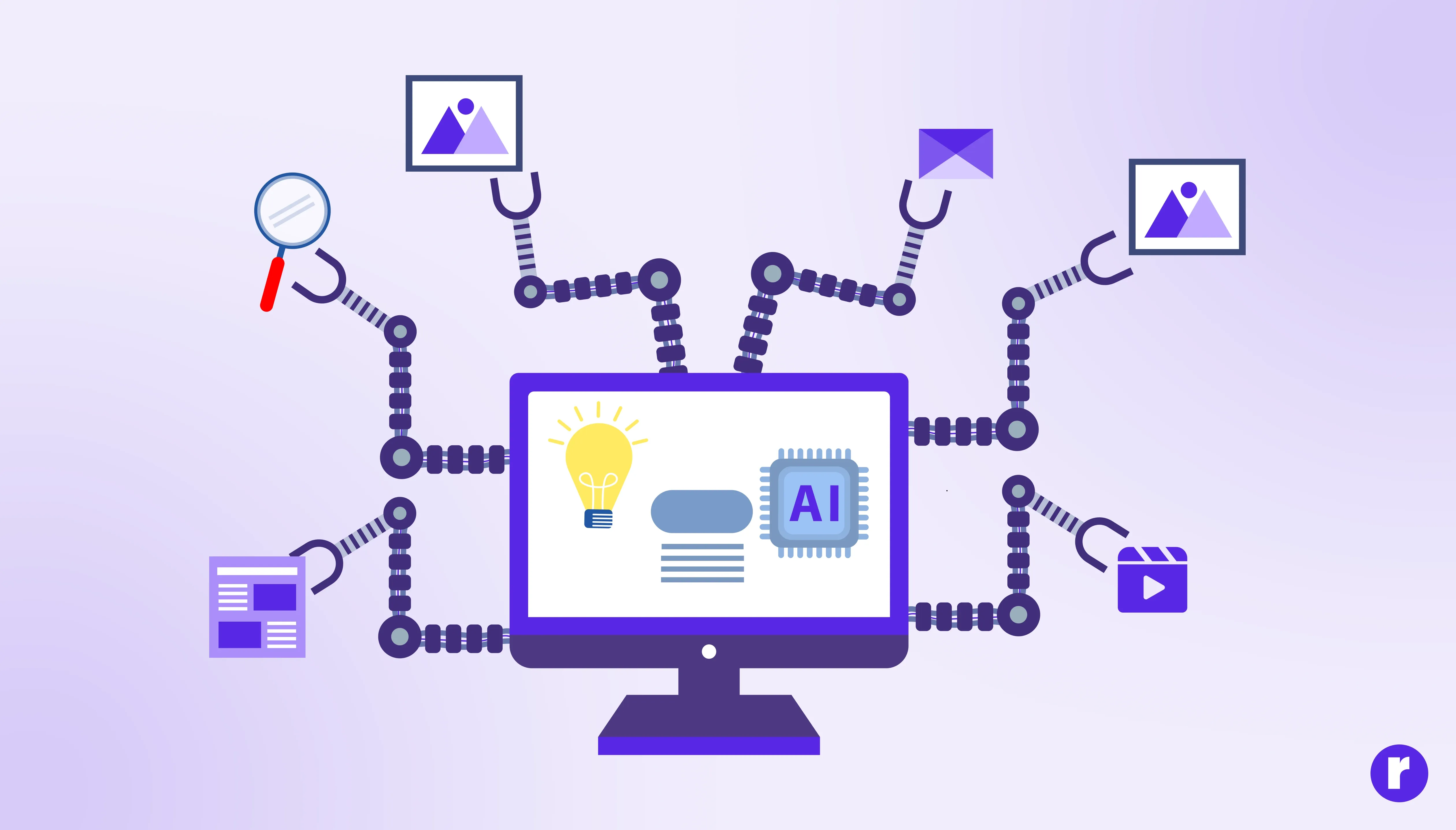
Not long ago, AI tools were limited to automating repetitive, technical tasks — resizing images, adjusting colors, or analyzing user data. But in the past few years, advancements in generative AI have blurred the line between tool and collaborator.
Platforms like, Midjourney, DALL·E, Runway, and Figma’s AI features have empowered designers to visualize abstract ideas in seconds. Instead of starting with a blank canvas, creatives now begin with a dozen AI-generated possibilities, refining and reimagining them until they align with their vision.
This shift doesn’t just make design faster — it changes how creativity begins. AI acts as a springboard for ideation, offering endless inspiration and pushing boundaries beyond human imagination. It enables designers to experiment freely, explore multiple directions simultaneously, and reach solutions that might have taken weeks to conceptualize manually. The Evolving Landscape of Design in the Age of Artificial Intelligence.
Collaboration, Not Competition

The most effective use of AI in design isn’t about replacing humans — it’s about augmenting human creativity.
AI excels at analyzing massive datasets, detecting visual trends, and automating low-level production work. It can instantly test color contrasts, predict user engagement, or generate layout variations optimized for different audiences. These capabilities free designers from tedious, time-consuming tasks, allowing them to focus on higher-level thinking: storytelling, emotion, and strategy.
However, human creativity thrives on intuition and empathy — qualities AI can’t replicate. Designers understand nuance. They recognize cultural context, emotional resonance, and the subtle psychology of how design makes people feel. A logo generated by AI might be visually balanced, but a human designer ensures it carries the brand’s essence and purpose.
This is why the future of design isn’t human or AI — it’s, human + AI. When designers use technology as a co-creator rather than a competitor, the result is more innovative, efficient, and emotionally intelligent design.
Where Automation Adds Value
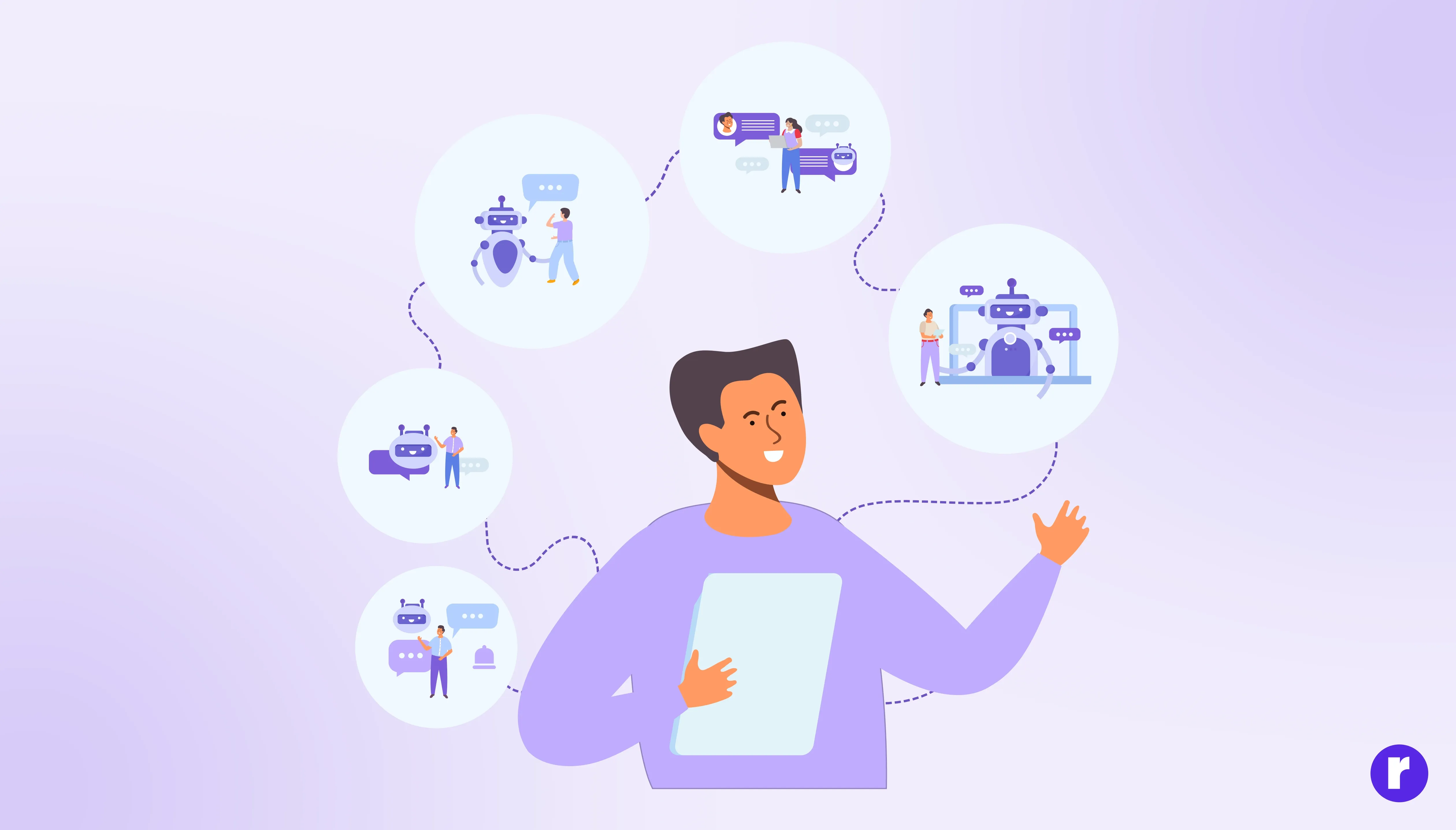
AI’s strength lies in, enhancing productivity and precision. Some of its most valuable contributions to the design world include:
- Rapid Ideation: AI tools can produce hundreds of concept variations within minutes, helping designers explore diverse creative directions early in the process.
- Data-Driven Insights: AI can analyze user behavior, market trends, and visual preferences to inform design choices grounded in real-world performance.
- Accessibility and Inclusion: Automated tools can help ensure designs meet accessibility standards, adjusting contrast, font sizes, and layouts for broader usability.
- Scalability: Brands can generate consistent visual assets across multiple platforms and languages without sacrificing quality or cohesion.
By handling the technical aspects of design, AI allows humans to focus on the, emotional and conceptual — the parts of creativity that require vision, judgment, and storytelling.
The Ethical and Creative Crossroads
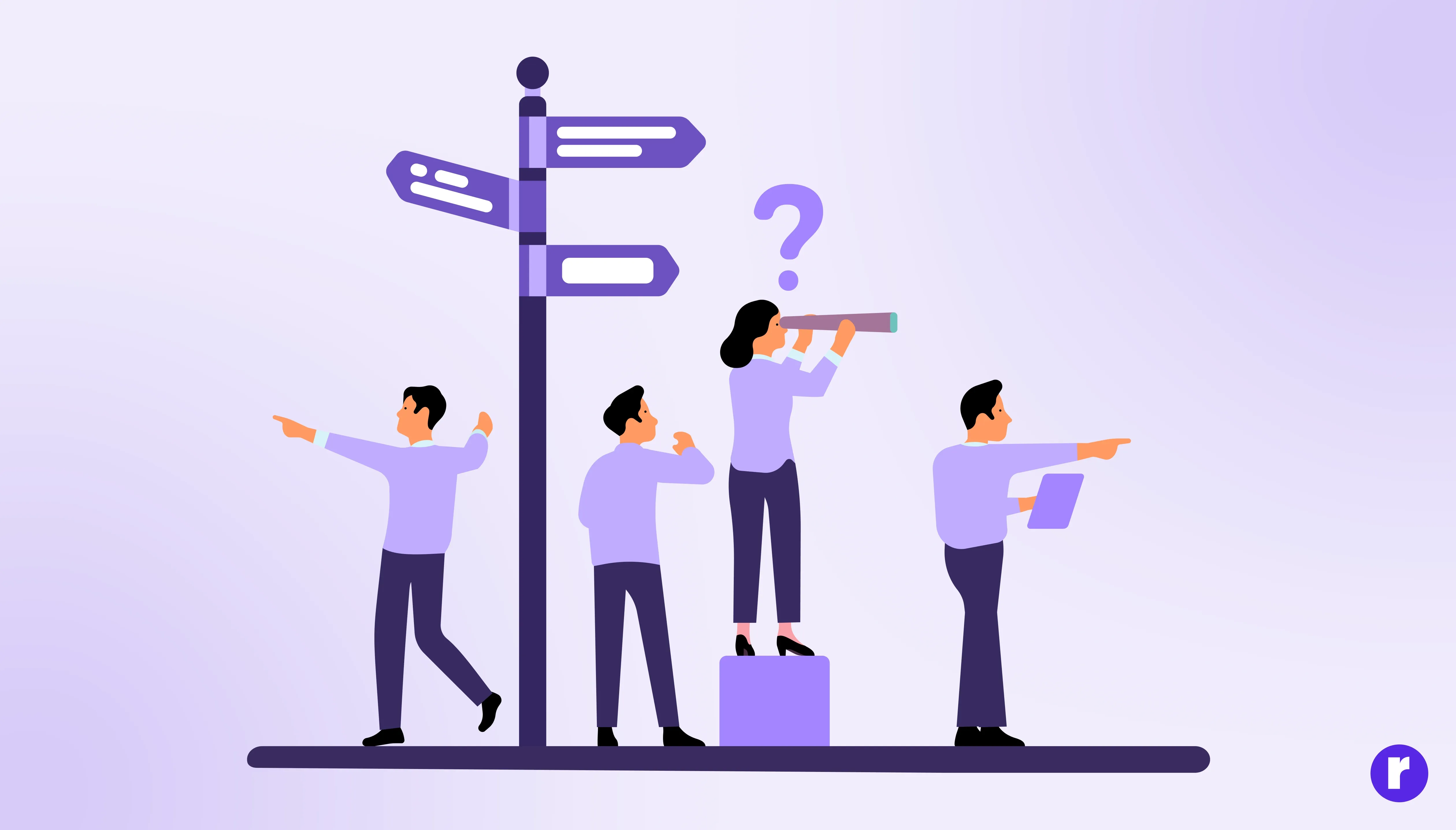
However, as AI becomes more capable, designers face new ethical challenges.
Who owns AI-generated art or designs? Is it the person who gave the prompt, the algorithm’s developer, or the model trained on millions of human artworks? The question of authorship is complex — and unresolved.
There’s also the issue of originality. AI systems are trained on existing human creations, meaning they may inadvertently reproduce or remix copyrighted material. This raises concerns about creative integrity and fairness in an industry that values originality.
Moreover, as more creators rely on similar AI models, there’s a risk of aesthetic homogenization — a world where design begins to look the same because it’s generated from the same data. True creativity thrives on imperfection, individuality, and emotion — qualities that arise from, human unpredictability, not algorithmic precision.
The Human Touch: Why Designers Still Matter

No matter how advanced AI becomes, the soul of design remains human. A designer doesn’t just combine shapes and colors — they interpret stories, cultures, and emotions. They design for people, not data.
AI might suggest a color scheme based on engagement analytics, but only a human can decide if that color truly aligns with a brand’s personality. AI can draft hundreds of interface layouts, but only a human understands the subtle difference between usability and delight.
The future designer will act less as a “maker” and more as a curator, conductor, and storyteller, guiding AI toward creative results that carry meaning and depth. Their role will be to ask better questions, set the creative direction, and refine AI’s raw output into something distinctly human.
Designing the Future — Together

The rise of AI doesn’t diminish creativity; it democratizes it. Designers who embrace automation as a collaborator rather than a threat will lead the next wave of innovation.
We’re moving toward a world where AI handles execution while humans focus on imagination. The designer of tomorrow will need to master not just Photoshop or Figma, but also prompt engineering, data interpretation, and ethical design thinking.
The true art of co-design lies in balance — allowing automation to elevate efficiency while preserving human creativity as the guiding force.
Conclusion: Automation with Intention
AI isn’t replacing designers — it’s empowering them to create faster, smarter, and bolder. The future of design lies in using automation with purpose, keeping human imagination at the core. When creativity and AI work together, design doesn’t lose its soul — it evolves. Visit Radial code