How AI and Machine Learning Are Changing Everyday Life

Written by
Ankit Godara
Front End Developer

Vishal Chanda
Front End Developer

Table of contents
Build with Radial Code
Share this


We live in an era where technology is evolving faster than ever before. The smartphones we use, the videos we watch, the cars we drive, and even the way we shop — all are deeply influenced by Artificial Intelligence (AI) and Machine Learning (ML). These technologies are no longer confined to science fiction or research labs; they’ve become an essential part of our daily lives, silently powering the modern world around us.
From virtual assistants like Siri and Alexa to personalized recommendations on Netflix and Amazon, AI and ML are transforming how we live, work, and interact. Around the globe, businesses, schools, hospitals, and governments are adopting these smart technologies to boost efficiency, improve decision-making, and enhance user experiences.
What Is Artificial Intelligence (AI)
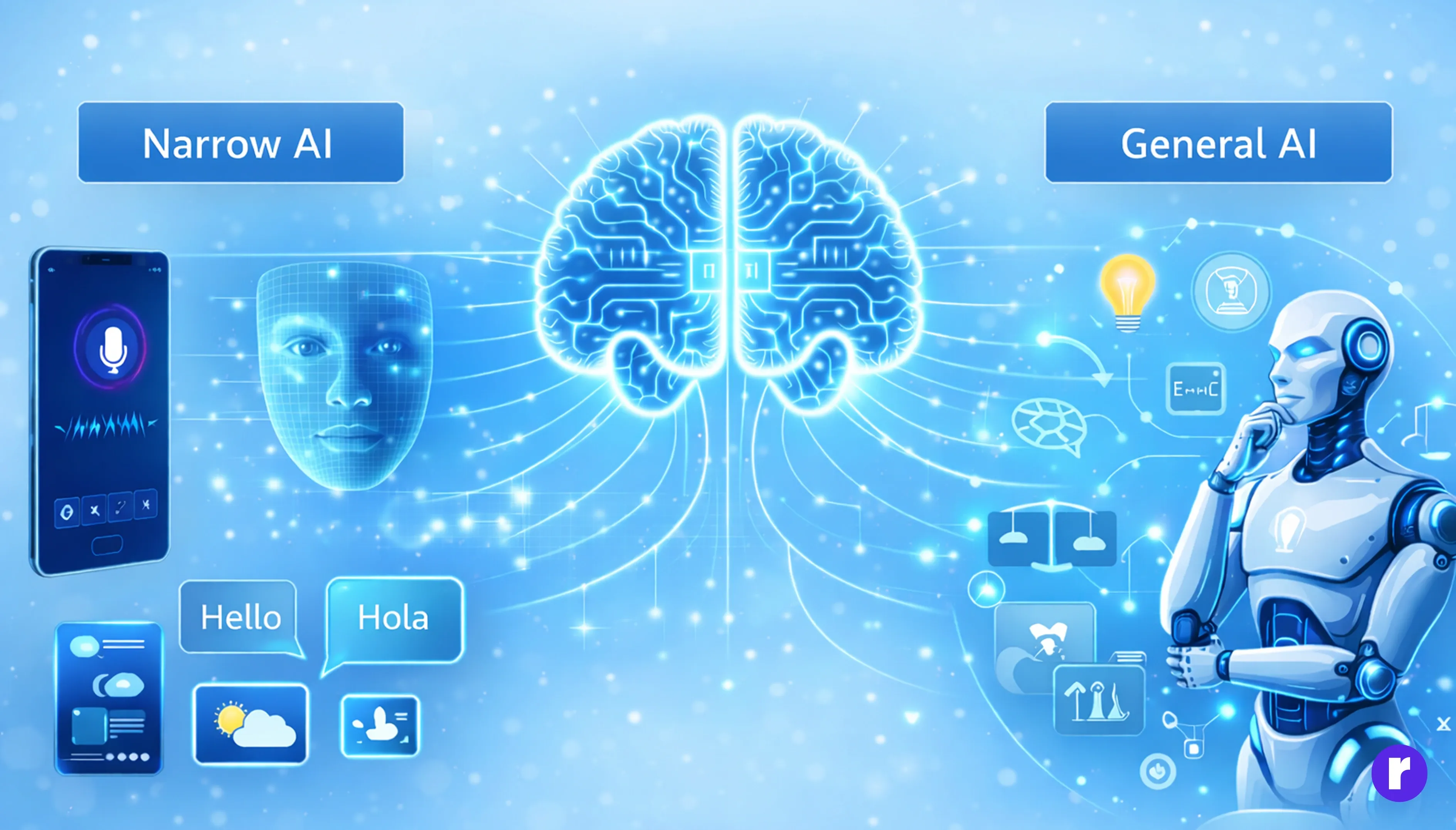
Artificial Intelligence (AI) is a branch of computer science that focuses on building machines capable of performing tasks that normally require human intelligence — such as reasoning, learning, understanding speech, and recognizing visuals.
You can see AI around you every day — from smart assistants like Siri and Alexa to facial recognition on smartphones and self-driving cars.
Types of AI :-
- Narrow AI (Weak AI): Designed for a specific task or purpose, such as weather forecasting, voice assistants, or language translation. This is the most commonly used type of AI today.
- General AI (Strong AI): A theoretical form of AI that aims to create machines capable of performing any intellectual task a human can do. It’s still under development and represents the next big step in AI evolution.
What Is Machine Learning (ML)
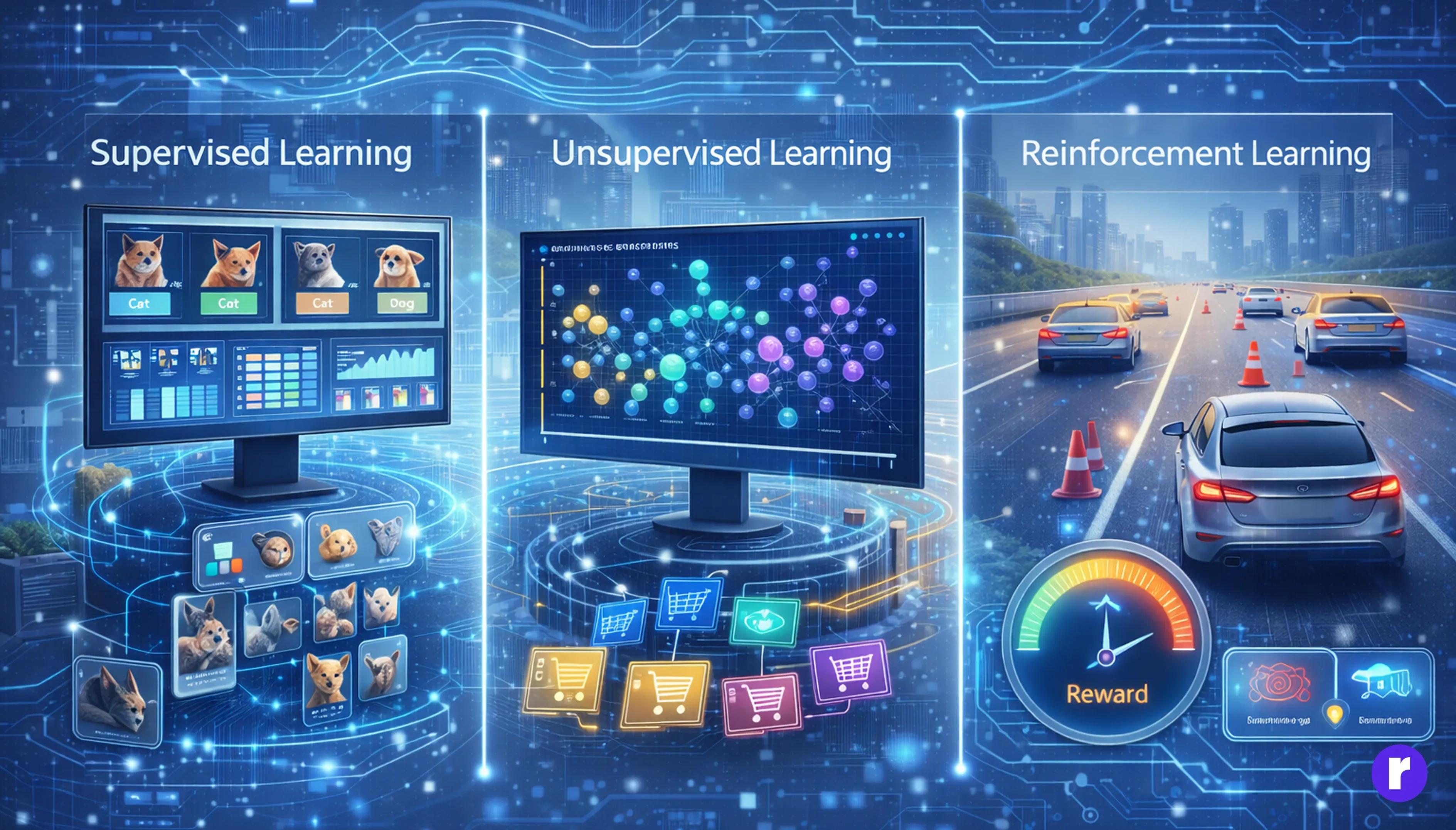
Machine Learning (ML) is a subset of Artificial Intelligence (AI) that enables computers to learn and improve from experience without being explicitly programmed. Instead of following fixed instructions, ML systems identify patterns in data and use them to make predictions or decisions.
Machine Learning consists of three primary kinds:-
- Supervised Learning: The computer learns from labeled data (e.g., training a system with images of cats and dogs).
- Unsupervised Learning: The system finds hidden patterns in unlabeled data (e.g., grouping customers by shopping behavior).
- Reinforcement Learning: The model improves by trial and error, receiving rewards or punishments based on its actions — for instance, training a self-driving car to make smarter driving choices.
Machine Learning is the engine that powers most modern AI applications, helping machines become smarter, faster, and more capable over time.
How AI and ML Work Together
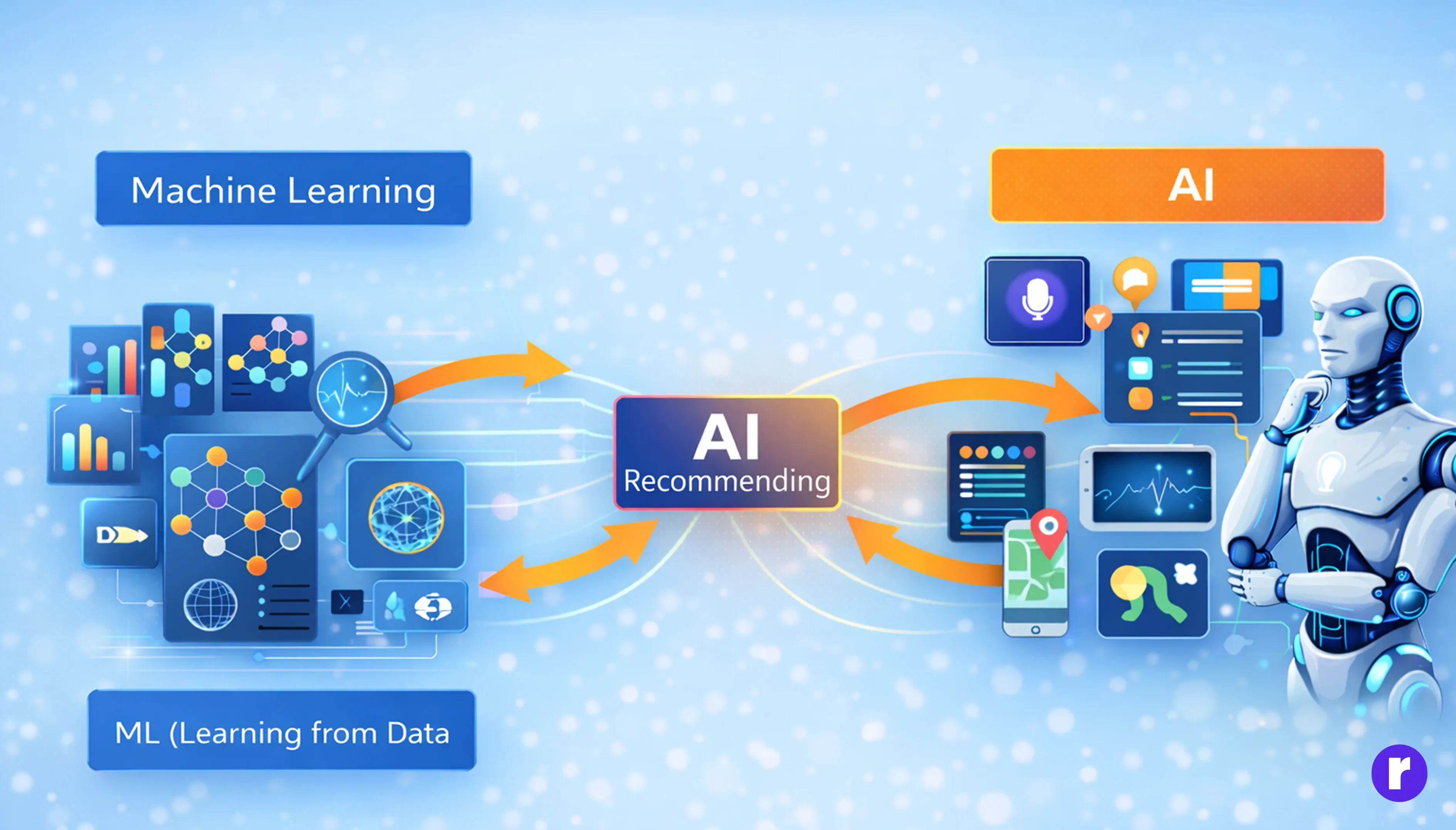
Artificial Intelligence (AI) and Machine Learning (ML) are closely connected — in fact, ML is what makes modern AI possible.
AI represents the broad concept of creating machines that can think, reason, and make decisions like humans, while ML helps these systems learn from data and improve automatically over time.
You can think of it this way: AI is the "brain," while ML is the "learning process" that helps this brain grow smarter through experience. For example, Google Maps uses AI to plan routes, but it's Machine Learning that analyzes real-time traffic patterns to make more accurate predictions.
Together, AI and ML power technologies like voice assistants, recommendation systems, and healthcare tools — all driven by data, the true fuel of AI.
Real-World Applications of AI and ML
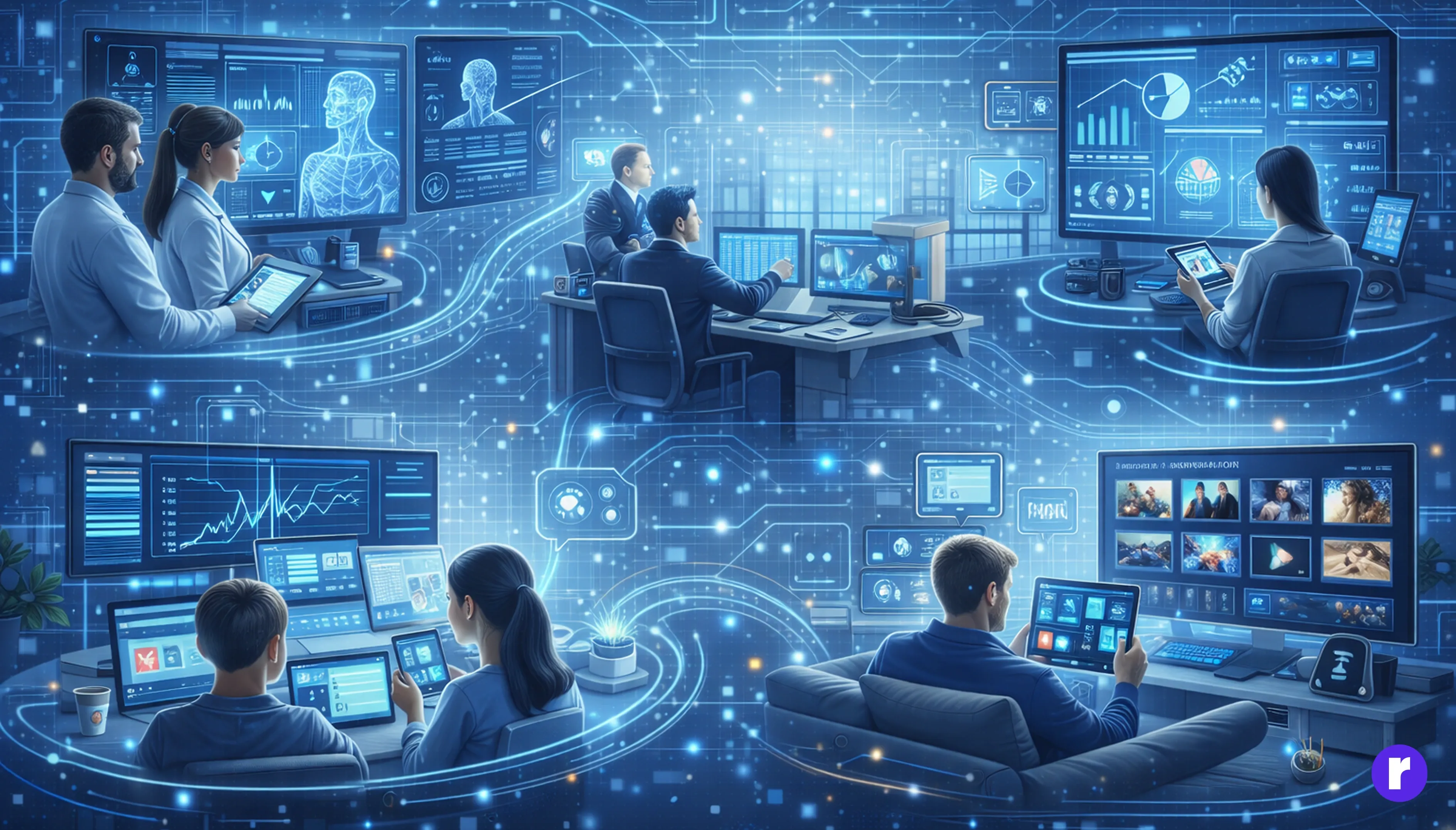
Artificial Intelligence (AI) and Machine Learning (ML) have become an inseparable part of modern life, transforming industries and influencing how we live, work, and interact. From hospitals to classrooms, finance to entertainment, these technologies are driving innovation everywhere. Read more
- Healthcare and Medicine:
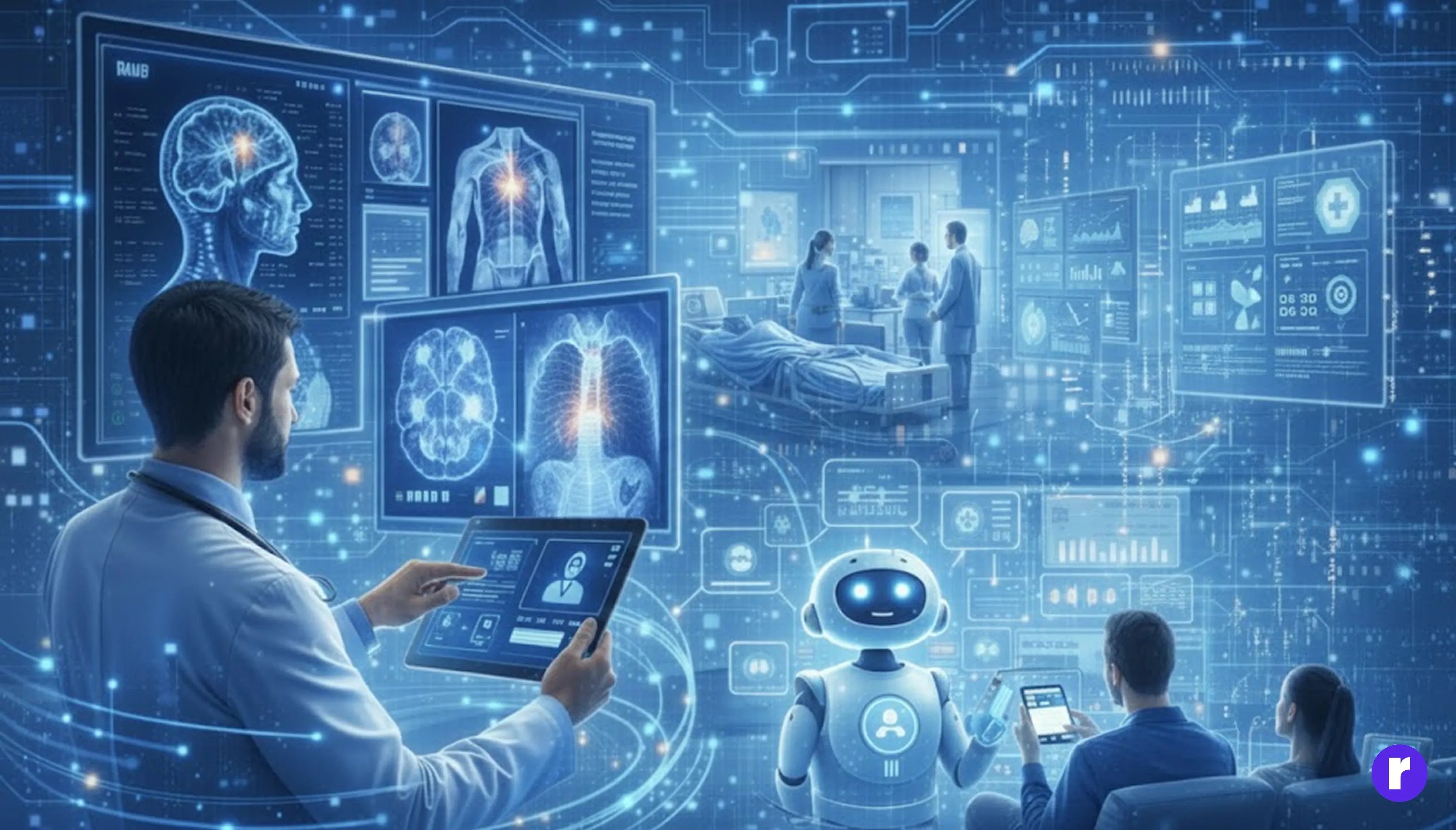
- AI and ML make medical diagnosis faster and more accurate.
- AI-powered systems detect diseases early through scans and X-rays.
- Chatbots provide instant medical advice to patients.
- Machine Learning models predict epidemics and patient outcomes, helping doctors make informed decisions.
- Education and Learning with AI:
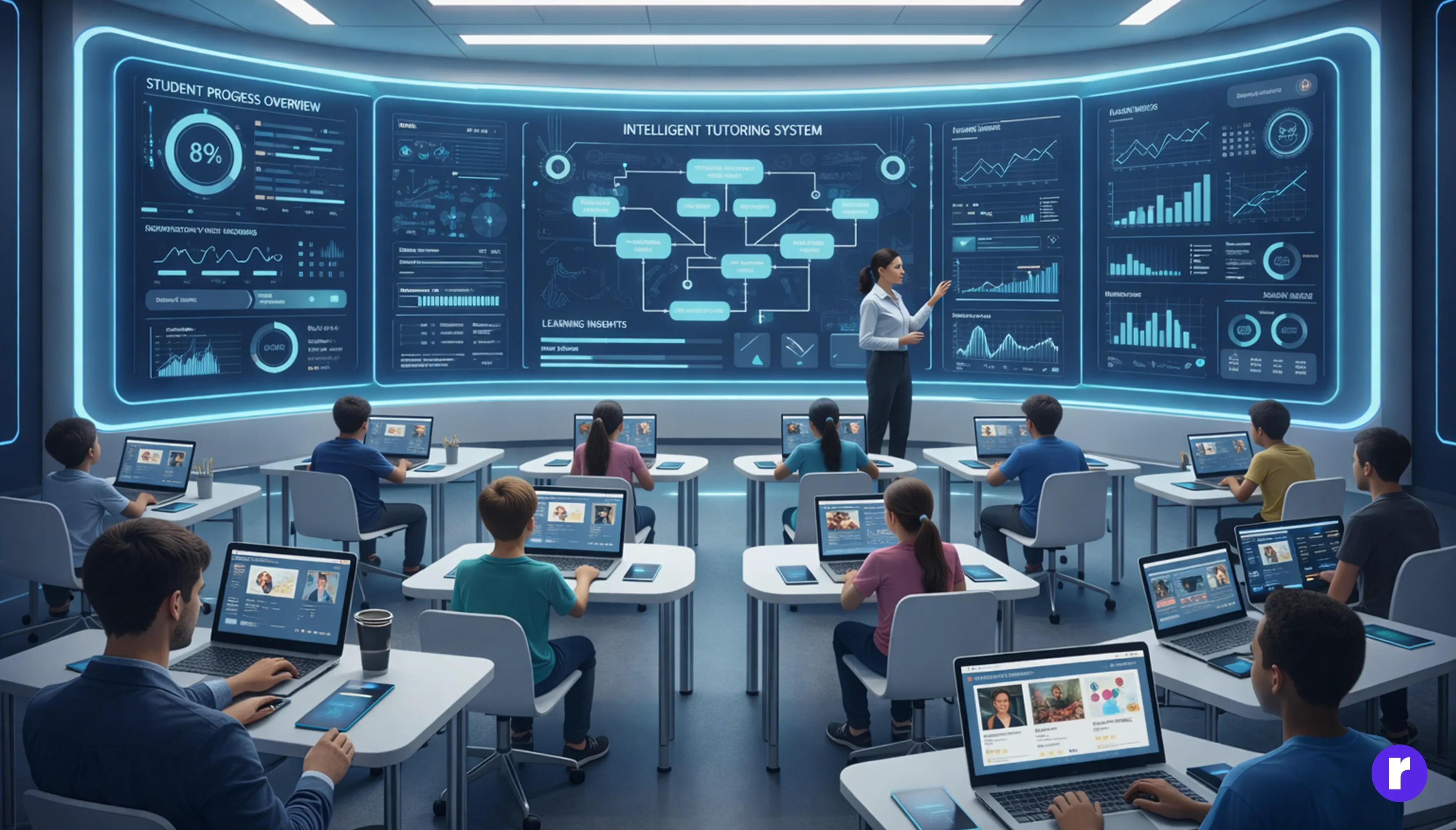
- AI enables personalized learning tailored to each student's pace.
- Intelligent tutoring systems adjust lessons based on performance
- Platforms like Coursera and Udemy use ML to recommend suitable courses.
- Automated grading tools and analytics help teachers focus more on teaching.
- AI in Transportation and Navigation
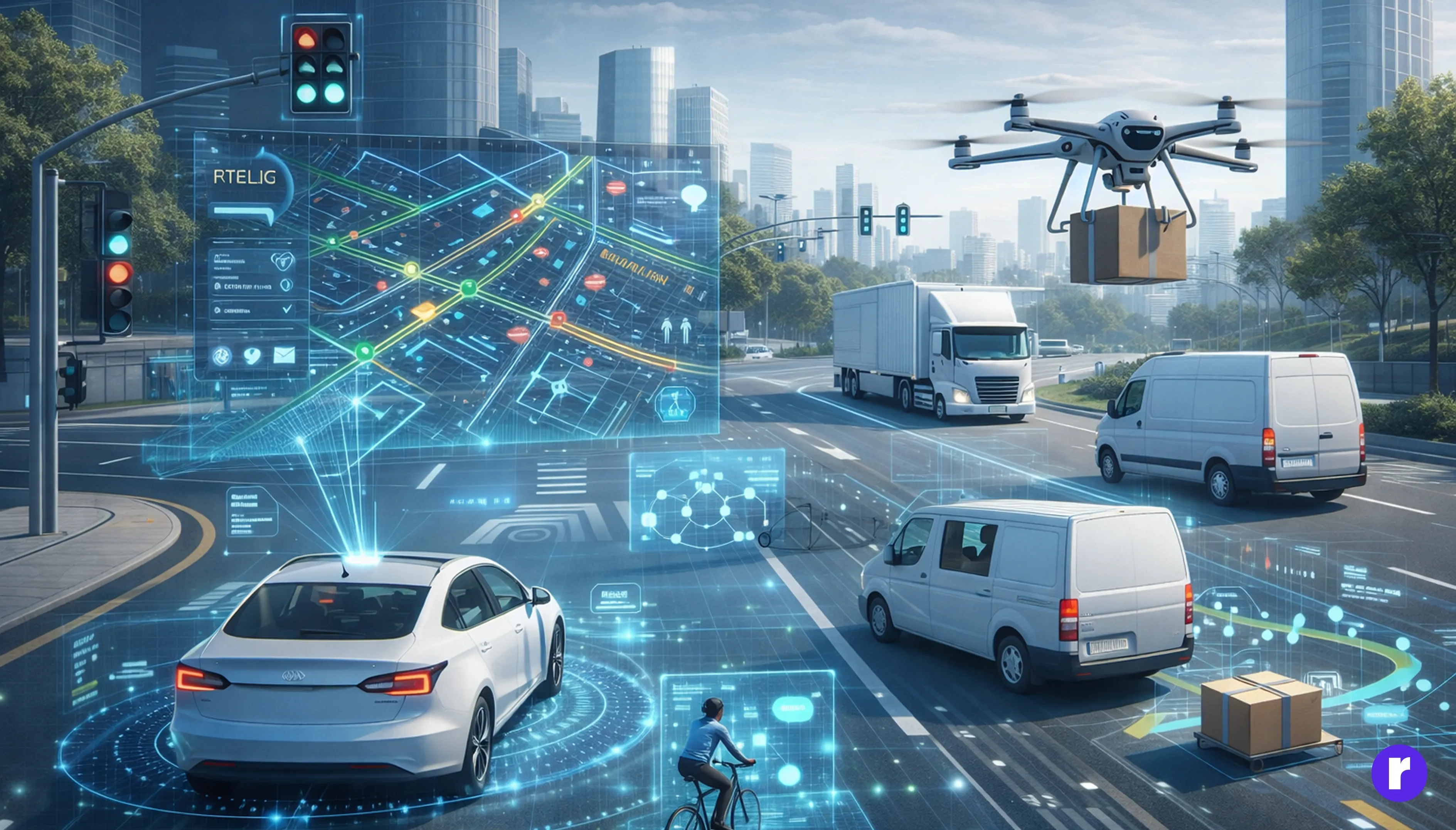
- Self-driving cars use AI to detect obstacles and improve safety.
- AI helps predict traffic delays and optimize routes for efficient travel.
- Smart logistics systems enhance delivery speed and reduce costs.
- Banking and Finance
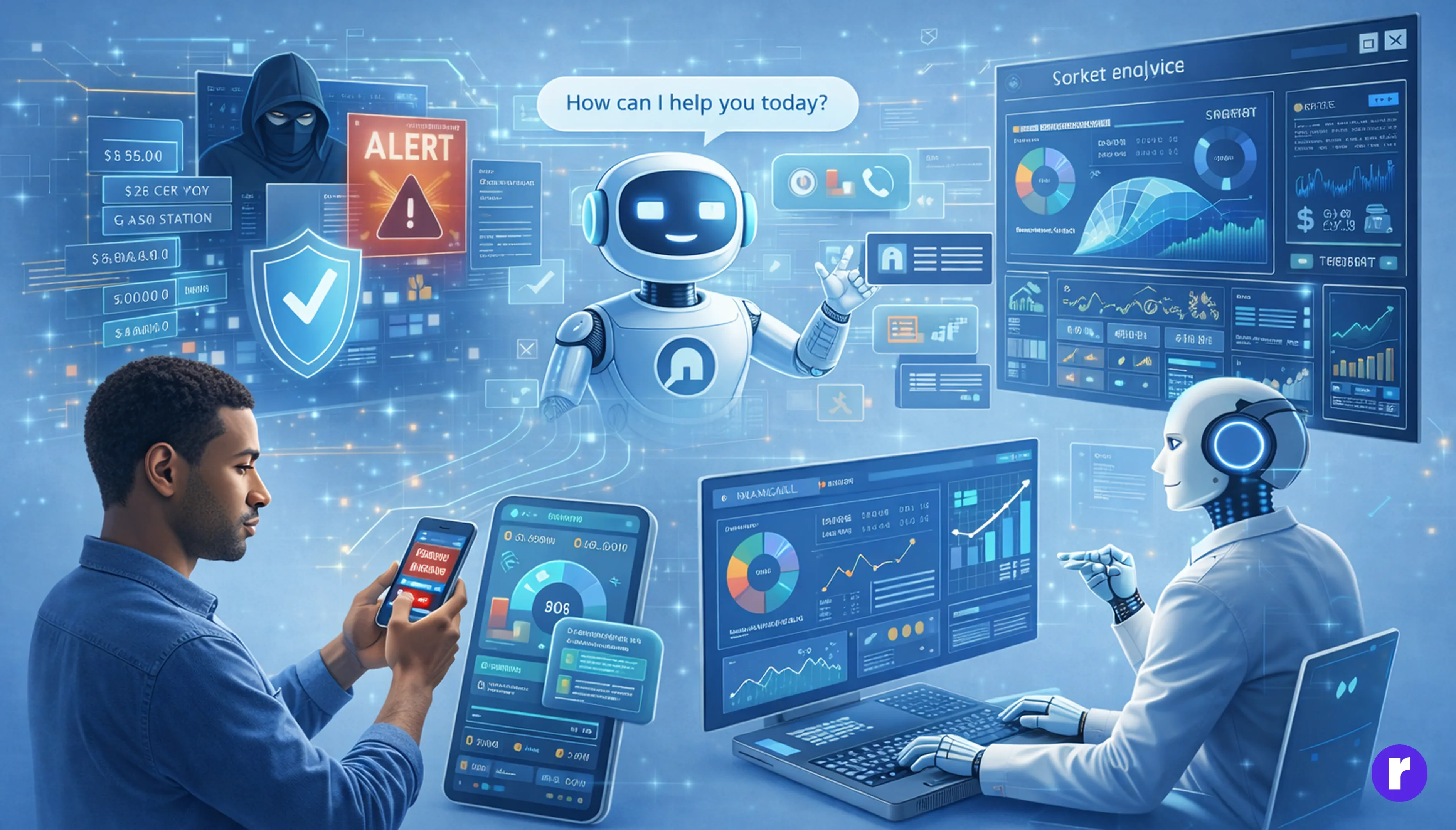
- AI and ML detect fraud in real time and secure transactions.
- They analyze spending behavior and automate customer support via chatbots.
- Robo-advisors use data insights to guide smarter investment decisions.
- E-Commerce and Business
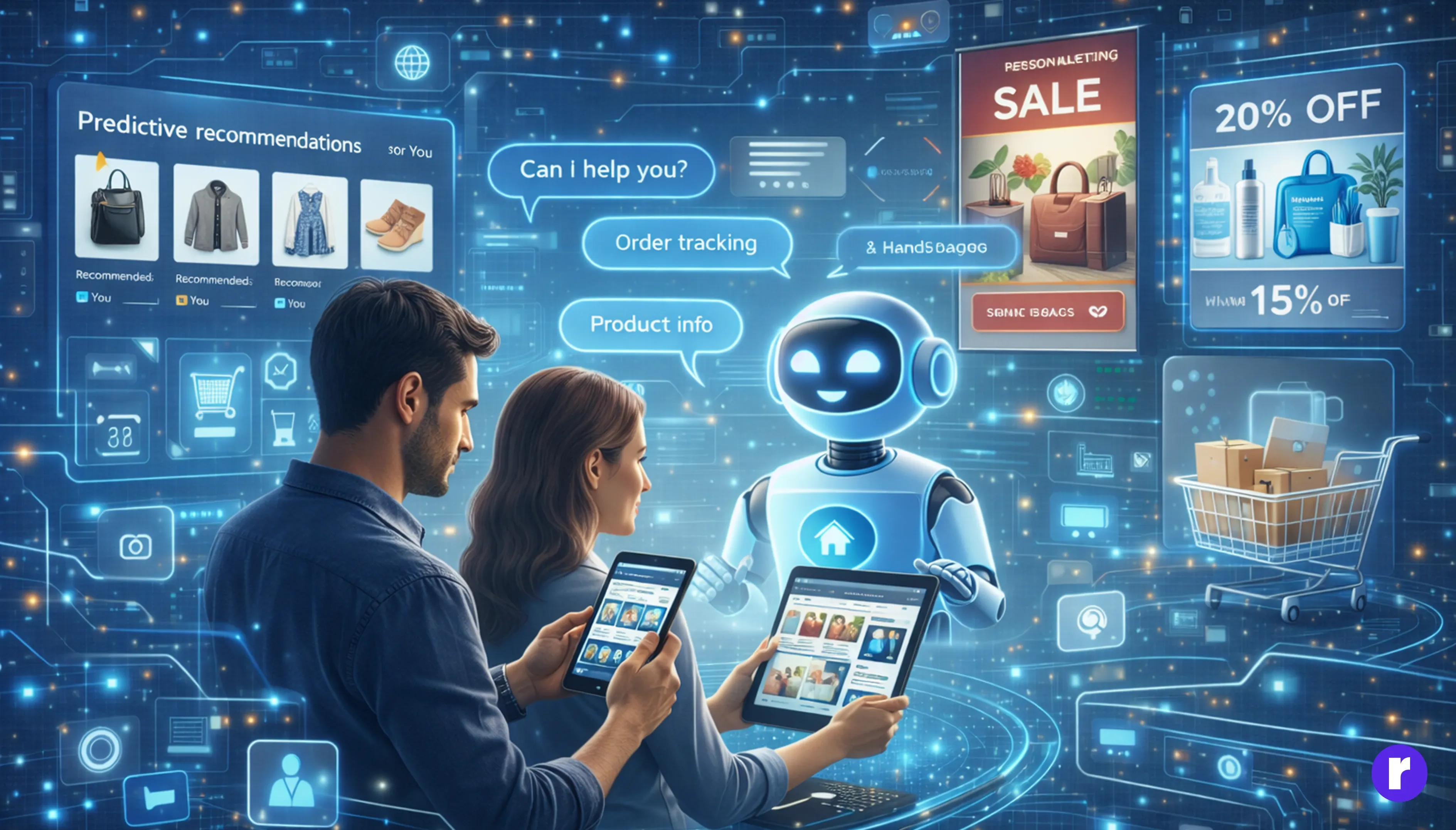
- Predictive recommendation models that use past data to forecast what a user might like next.
- AI-powered chatbots assist customers and improve satisfaction.
- Targeted marketing through AI ensures higher engagement and conversions.
- Social Media and Entertainment
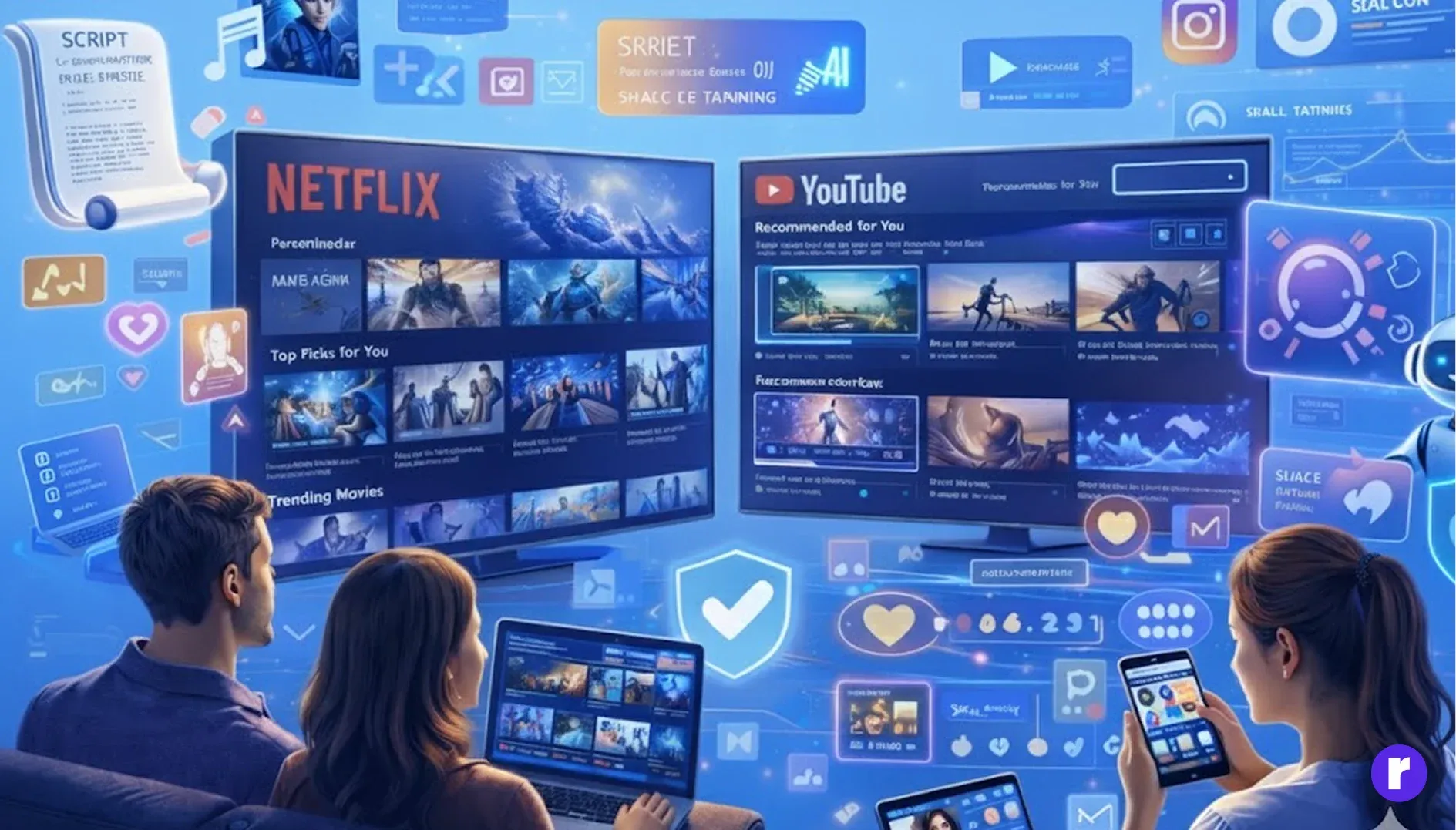
- Streaming platforms like Netflix and YouTube use ML for personalized recommendations.
- AI tools compose music, write scripts, and generate artwork.
- Content moderation and trend analysis are powered by AI for safer, smarter platforms.
Benefits of AI and Ml
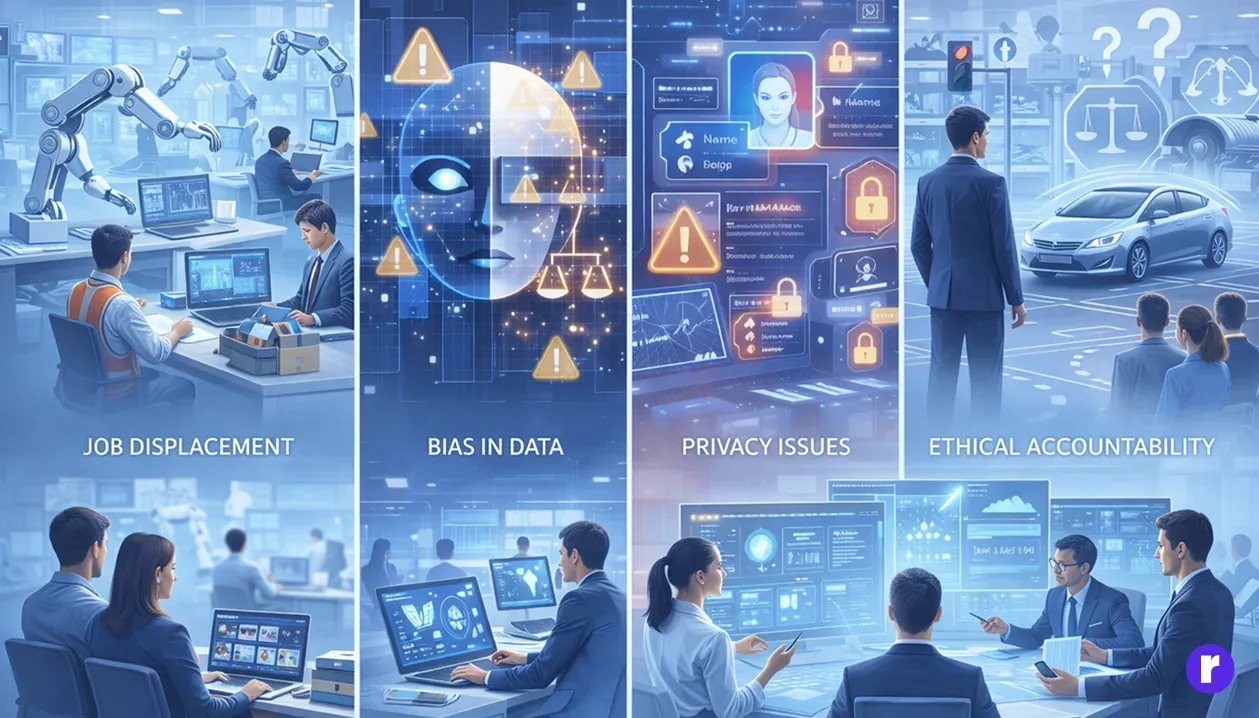
Artificial Intelligence (AI) and Machine Learning (ML) have transformed industries and everyday life by making systems smarter, faster, and more efficient.
- Automation: AI automates repetitive tasks, reducing human effort and errors while saving time.
- Improved Efficiency: ML processes and analyzes large amounts of data faster, providing accurate results.
- Personalization: AI tailors experiences — like movie recommendations, product suggestions, and learning paths.
- Better Decision-Making: Data-driven insights help businesses make smarter decisions.
- Accelerated Innovation: AI and ML drive breakthroughs in science, medicine, and technology, helping researchers discover new treatments, materials, and solutions.
Challenges and Ethical Concerns
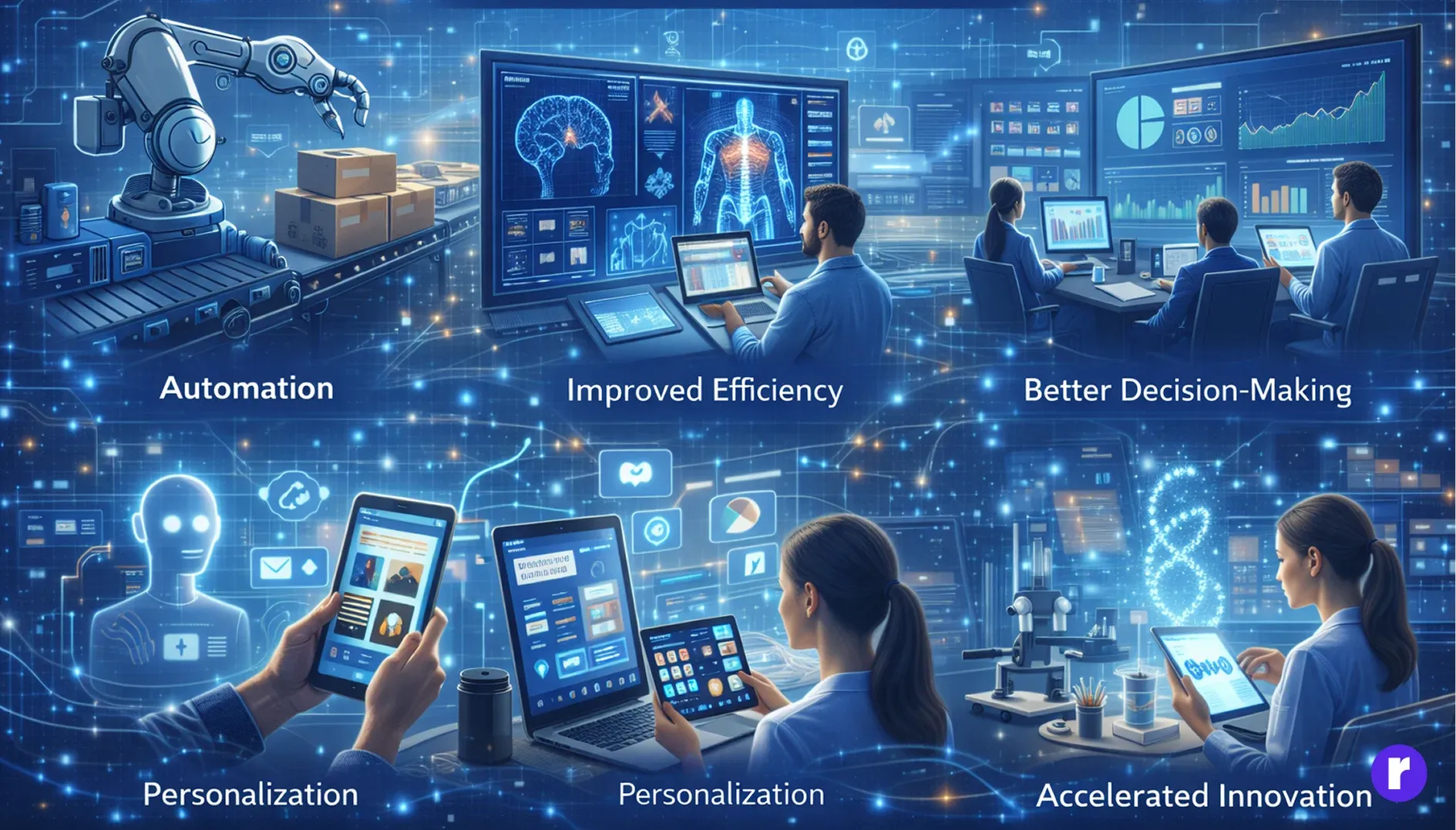
While the benefits of AI and ML are remarkable, they also come with challenges that require careful attention and responsibility.
- Job Displacement: Automation may replace certain jobs, raising concerns about unemployment and the need for new skill development.
- Bias in Data: AI systems can reflect or even amplify human biases if they are trained on unbalanced or unfair datasets.
- Privacy Issues: The vast amount of personal data used by AI raises questions about data protection, consent, and misuse.
- Ethical Accountability: Determining who is responsible when an AI system makes a mistake — such as in self-driving car accidents — remains a complex ethical dilemma.
- Transparency: Many AI systems operate as black boxes making it difficult to understand how decisions are made.
To address these challenges, governments, organizations, and tech companies are actively working to create ethical guidelines and governance frameworks to ensure AI is used safely, fairly, and responsibly.
The Future of AI and Machine Learning
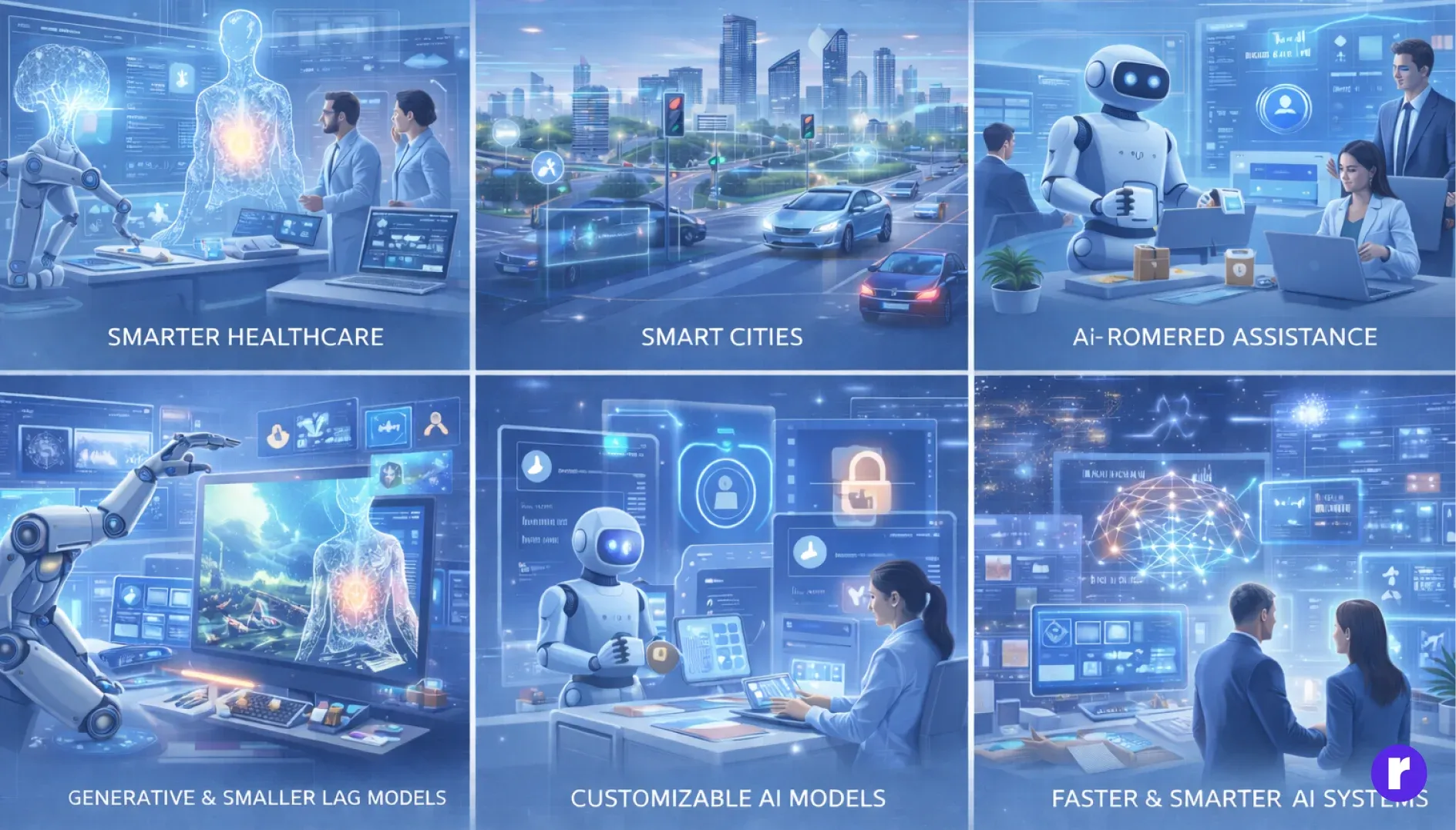
The future of Artificial Intelligence (AI) and Machine Learning (ML) is bright and transformative, shaping nearly every aspect of human life:
- Smarter healthcare: Capable of detecting diseases even before symptoms appear.
- Smart cities: Efficiently managing energy, waste, and traffic.
- AI-powered assistance: Simplifying daily chores and workplace tasks.
Emerging Trends Include:
- Generative and smaller language models: Expanding creativity and accessibility.
- Customizable AI models: Enhancing privacy and specialized applications.
- Reinforcement learning: Driving progress in robotics and automation.
- Faster, more capable AI systems: Transforming industries worldwide.
The ultimate goal is not to replace humans but to empower human potential and improve life globally. Learn more about AI innovations at Radial code
Conclusion
Artificial Intelligence (AI) and Machine Learning (ML) are transforming industries, enriching our lives, and shaping a smarter future. As AI evolves responsibly with ethical use and human creativity, it promises a world that is more efficient and full of opportunities.
In 2025, trends like generative AI, smaller language models, reinforcement learning, and personalized systems are redefining technology's potential. The goal is not to replace humans but to empower human potential and improve lives globally.