Designer vs Developer Mindset: Bridging the Gap

Written by

Jatin Sesma
CMS developer
Table of contents
Build with Radial Code
Share this


In modern product teams, designers and developers work side by side—but often think in very different ways. Designers focus on how things feel, while developers focus on how things work. When these mindsets clash, the result is frustration, rework, and compromised quality.
When they align, magic happens.
This blog explores the designer mindset, the developer mindset, why the gap exists, and—most importantly — how to bridge it.
Understanding the Designer Mindset
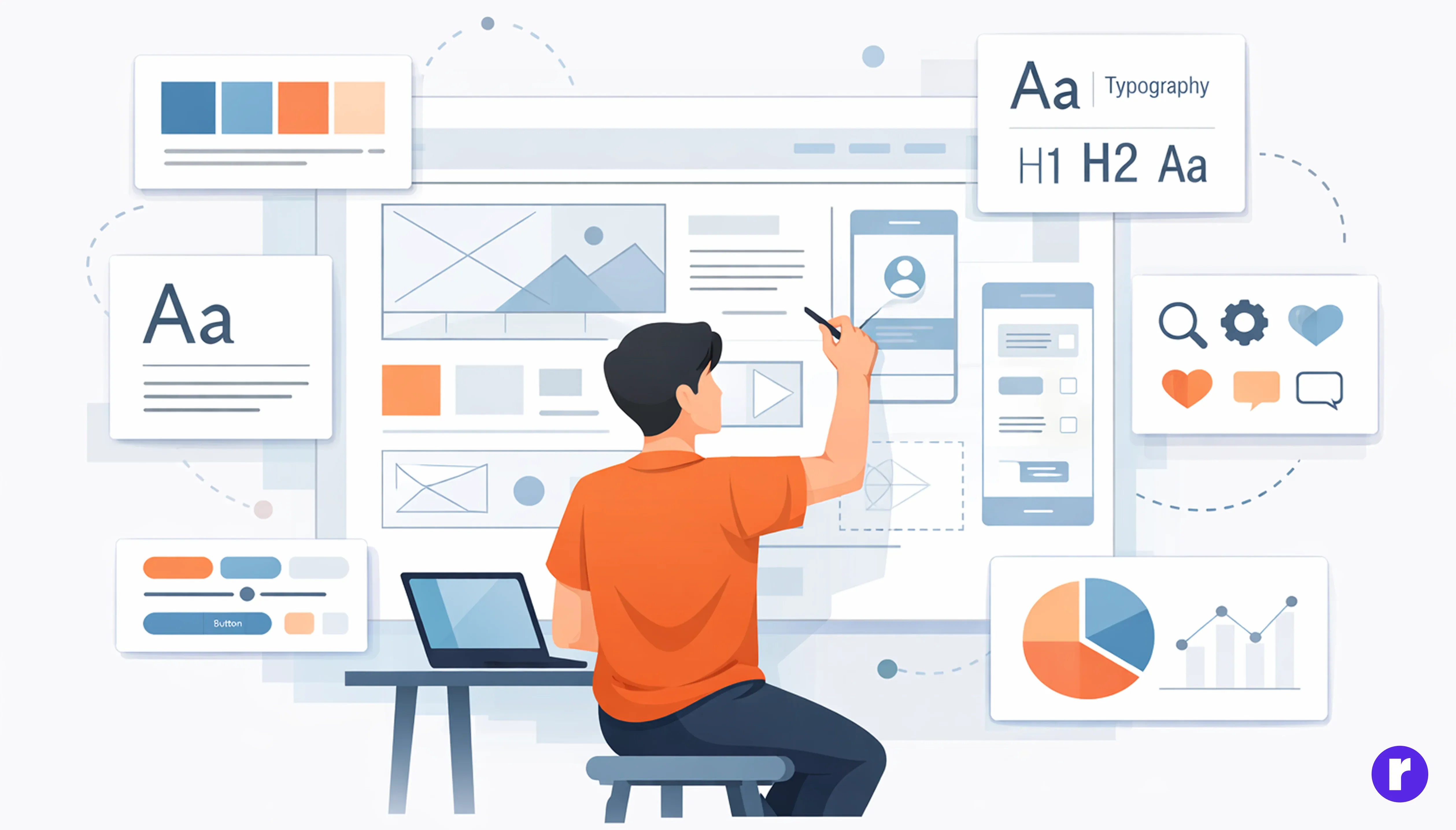
Designers think in terms of experience.
Their core questions are:
- Does this look intuitive?
- Is it visually balanced?
- Does it feel smooth and delightful?
- Will users understand this without thinking?
What Designers Prioritize
- User experience (UX)
- Visual hierarchy
- Spacing, color, typography
- Emotional response
- Brand consistency
- Edge cases in user behavior
Designers often work in ideal conditions—infinite canvas, perfect spacing, controlled states.
A designer’s goal is to create the best possible experience, even if it pushes limits.
Would you like to learn more about Design? Visit Here
Understanding the Developer Mindset
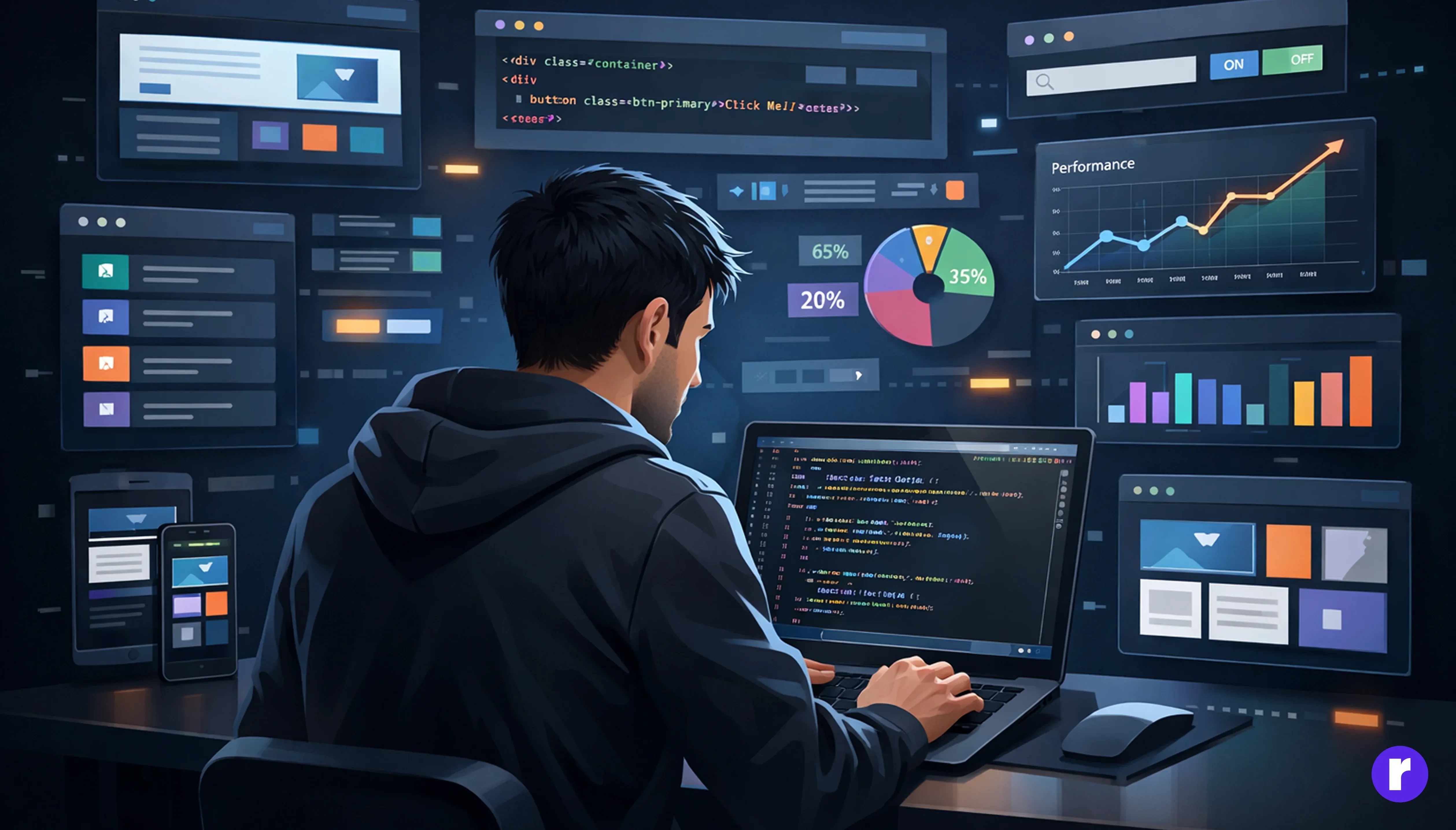
Developers think in terms of systems.
Their core questions are:
- Can this be built reliably?
- Will this scale?
- Is it performant?
- What happens if this breaks?
What Developers Prioritize
- Code structure & reusability
- Performance & load time
- Responsiveness
- Browser/device compatibility
- Accessibility
- Maintainability
Developers operate in real-world constraints—deadlines, browsers, APIs, performance budgets.
A developer’s goal is to build something that works consistently in every scenario.
Would you like to learn more about Developing? Visit Here
Where the Gap Comes From
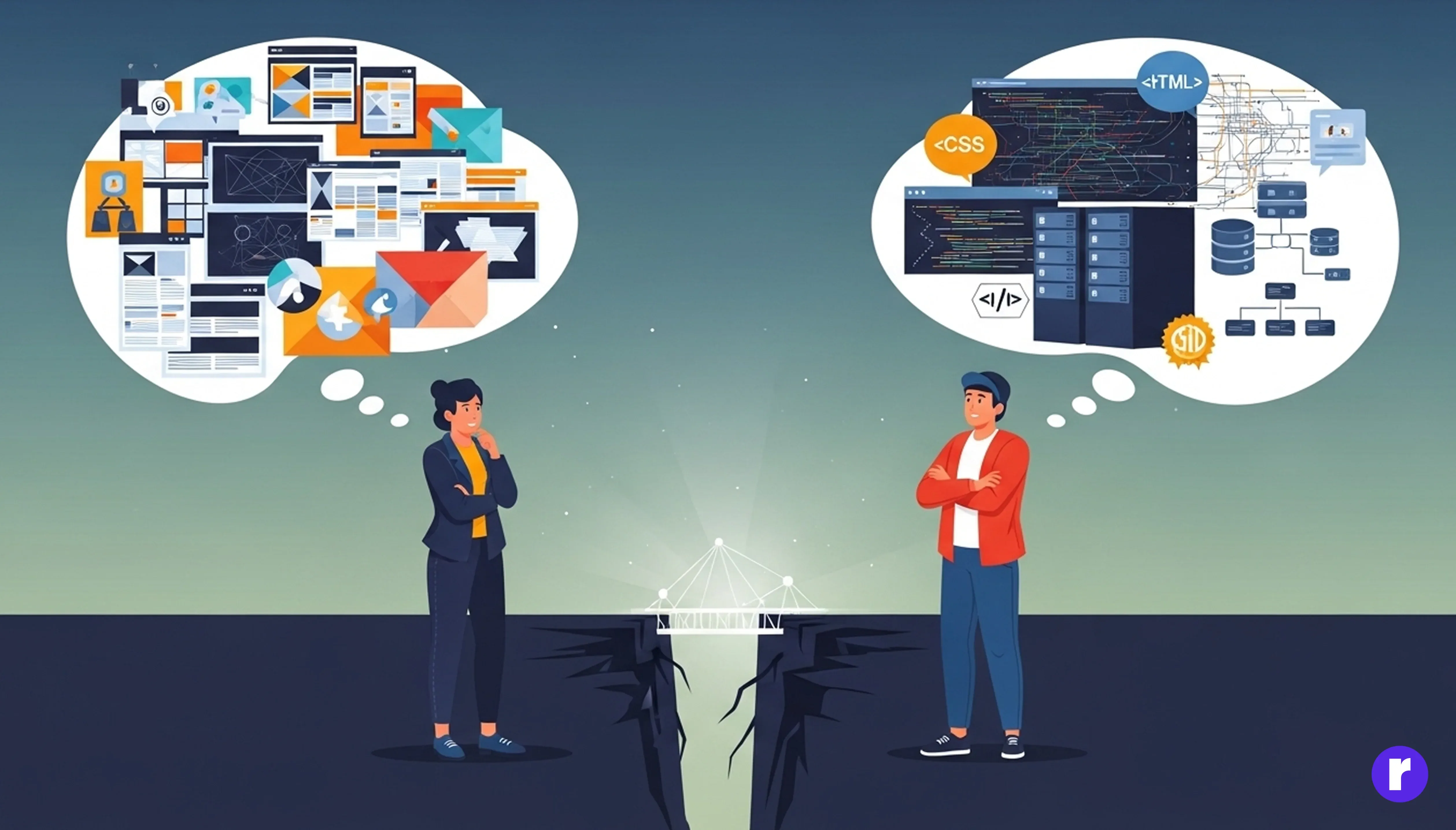
The gap isn’t about ego—it’s about perspective.
|
Designer Thinks |
Developer Thinks |
|---|---|
|
It should look perfect |
It should not break |
|
This animation feels smooth |
This animation costs performance |
|
Let’s add one more variant |
That doubles the logic |
|
It’s just a small change |
That touches five components |
Both are right—from their own lens.
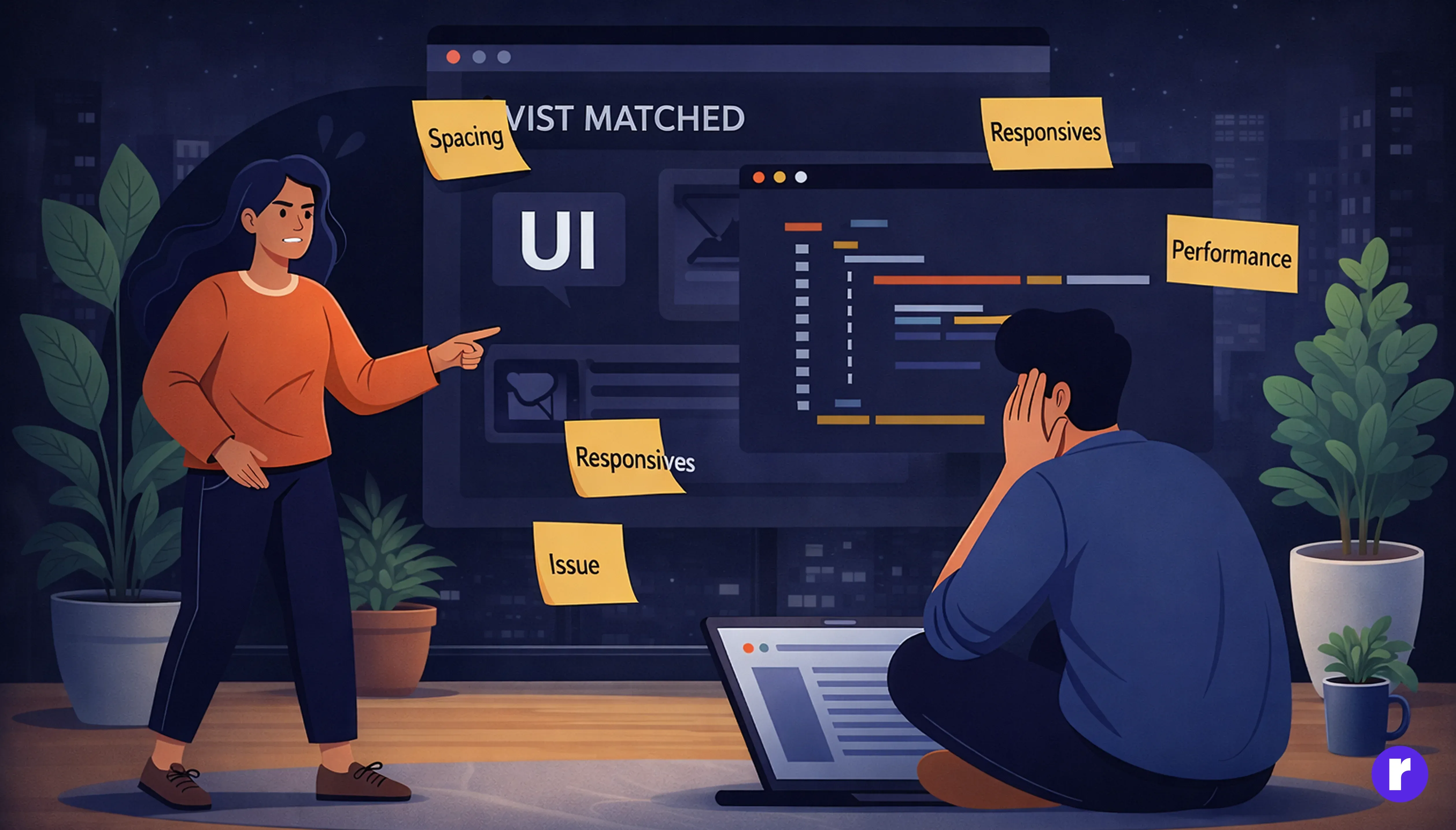
Common Pain Points
From the Designer’s Side
- The build doesn’t match the design
- Spacing feels off
- Animations were simplified too much
- Why is this so hard to implement?
From the Developer’s Side
- Design isn’t responsive
- No edge cases considered
- Too many one-off components
- Design changes keep coming late
These issues usually stem from lack of shared understanding, not lack of skill.
Bridging the Gap: Practical Solutions
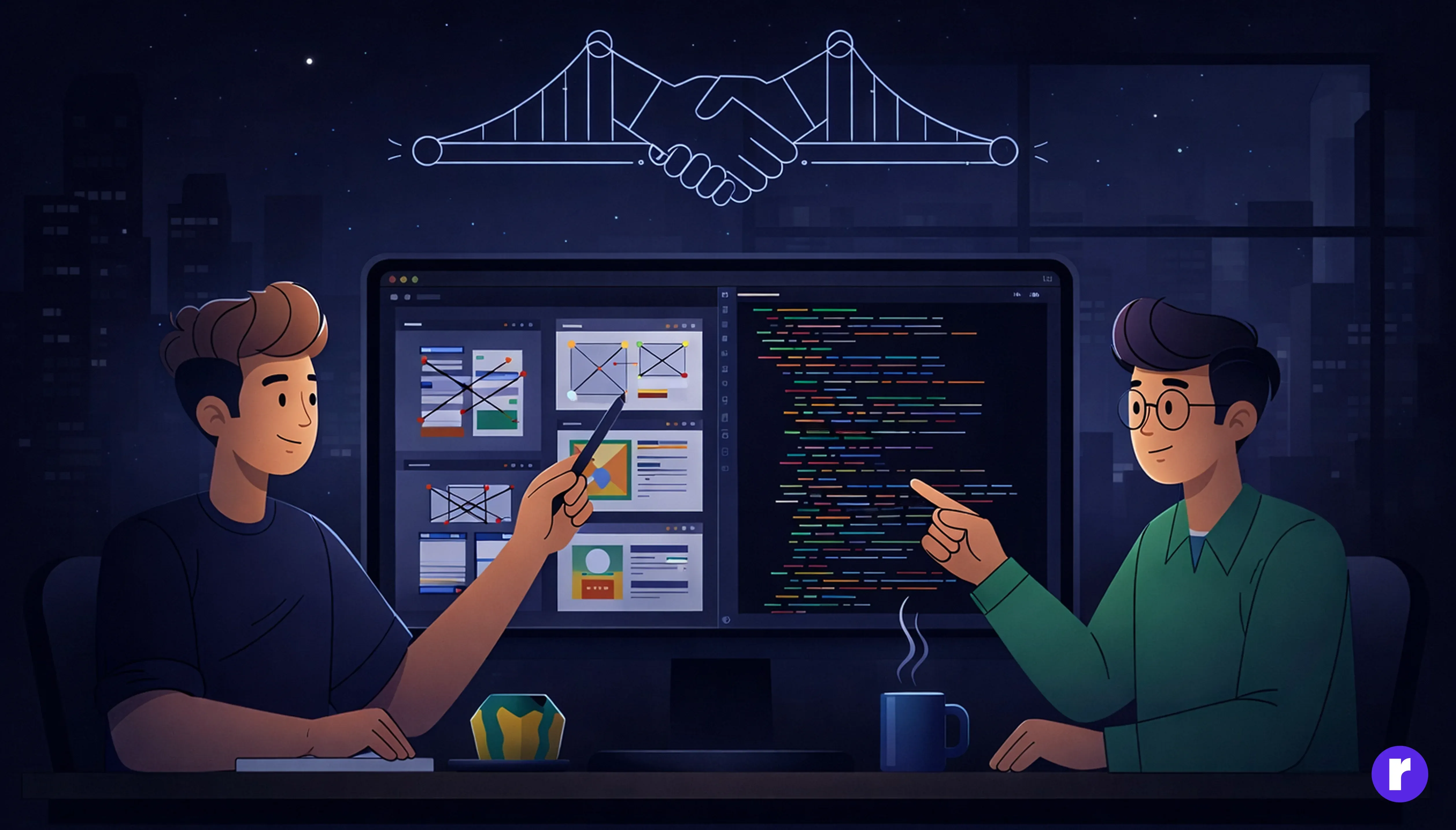
Step-1. Designers Should Think in Systems
Instead of designing screens, design systems:
- Reusable components
- Defined spacing scales
- Clear typography rules
- Consistent states (hover, active, disabled)
This makes designs build-friendly.
Step-2. Developers Should Care About Visual Intent
Developers don’t need to be designers—but they should understand:
- Why spacing matters
- Why alignment affects perception
- Why micro-interactions improve UX
This makes implementations experience-accurate.
Step-3. Design with Constraints in Mind
Designers should ask:
- What’s the breakpoint strategy?
- What happens with long text?
- How does this behave on slow devices?
Constraints don’t kill creativity—they shape better solutions.
Step-4. Involve Developers Early
Don’t wait for “final design".
Early collaboration helps:
- Validate feasibility
- Reduce rework
- Catch performance issues early
- Align expectations
Constraints don’t kill creativity—they shape better solutions.
Step-5. Speak a Shared Language
Replace vague terms with concrete ones:
- Make it smooth
- 300ms ease-in-out transition
Clear communication saves hours.
The Rise of Hybrid Roles
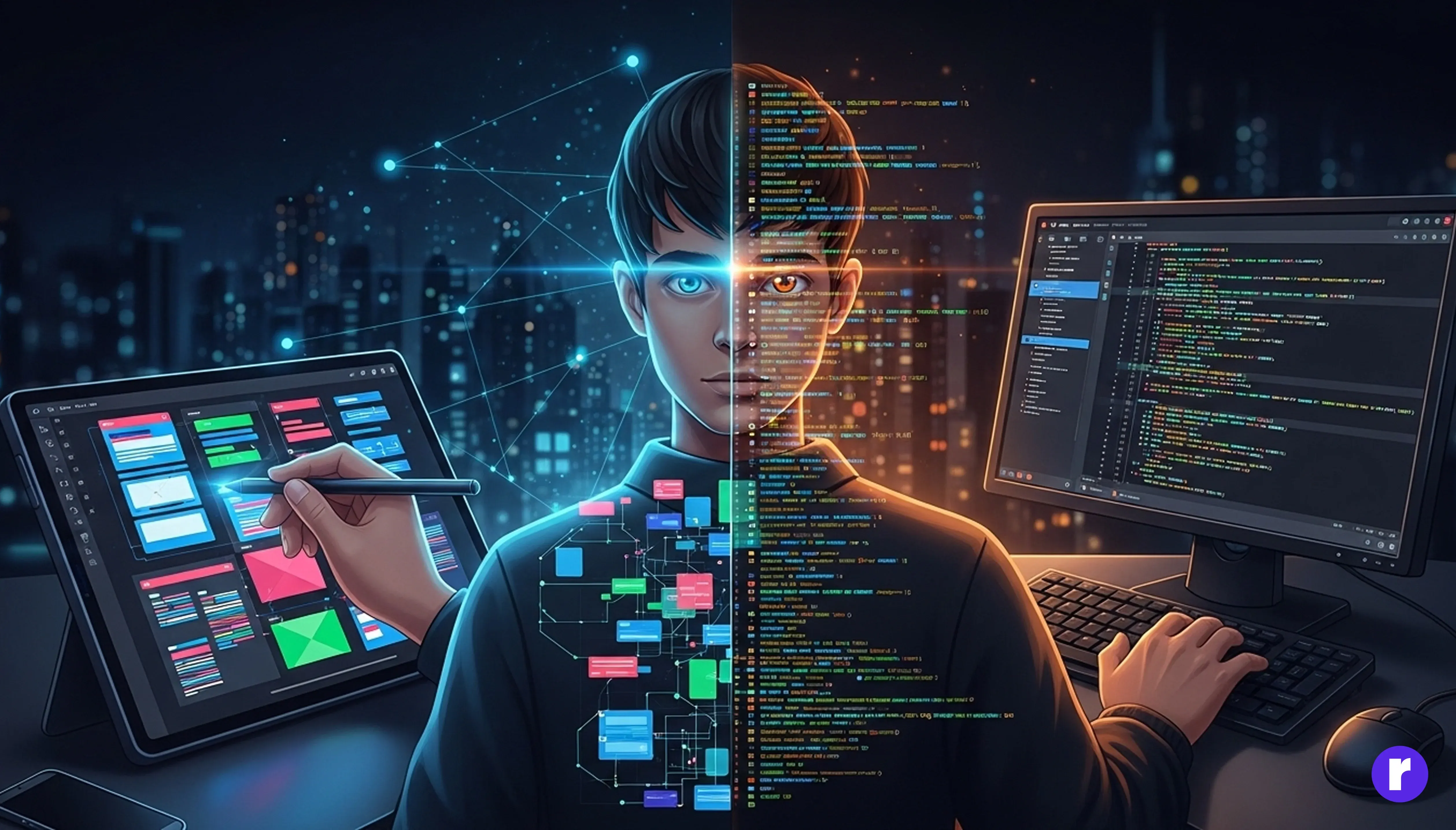
Today, the line is blurring:
- Designers learn HTML/CSS
- Developers understand UX & motion
- Tools bridge design and code
This doesn’t replace specialization—but it builds empathy.
The best products are built by teams that understand each other’s thinking.
Conclusion
Designers and developers are not on opposite sides—they’re on the same team, solving the same problem from different angles.
- Designers bring clarity, emotion, and usability
- Developers bring stability, performance, and scalability
- Tools bridge design and code
When both mindsets respect and adapt to each other, the gap disappears—and great products emerge.
Ready to take your skills to the next level? Discover tips, tutorials, and inspiration on our website! Visit Here