How No-Code Websites Can Rank on Google

Written by

Jaspal Singh
Wordpress Developer
Table of contents
Build with Radial Code
Share this


No-code platforms have transformed the way websites are built, allowing individuals, startups, and businesses to launch professional sites without writing any code. Despite their popularity, many believe that no-code websites cannot rank well on Google. This is a misconception. Platforms like Framer and Webflow are designed for performance, scalability, and SEO. When used correctly, no-code websites can rank as effectively as fully custom-coded sites.
Search engines like Google focus on how well a website serves its visitors, not the technology used to build it. Factors such as page speed, user experience, content clarity, and structured layouts carry more weight than coding methods. Because no-code platforms optimize these elements by default, they provide a strong foundation for high search visibility.
Understanding No-Code Websites
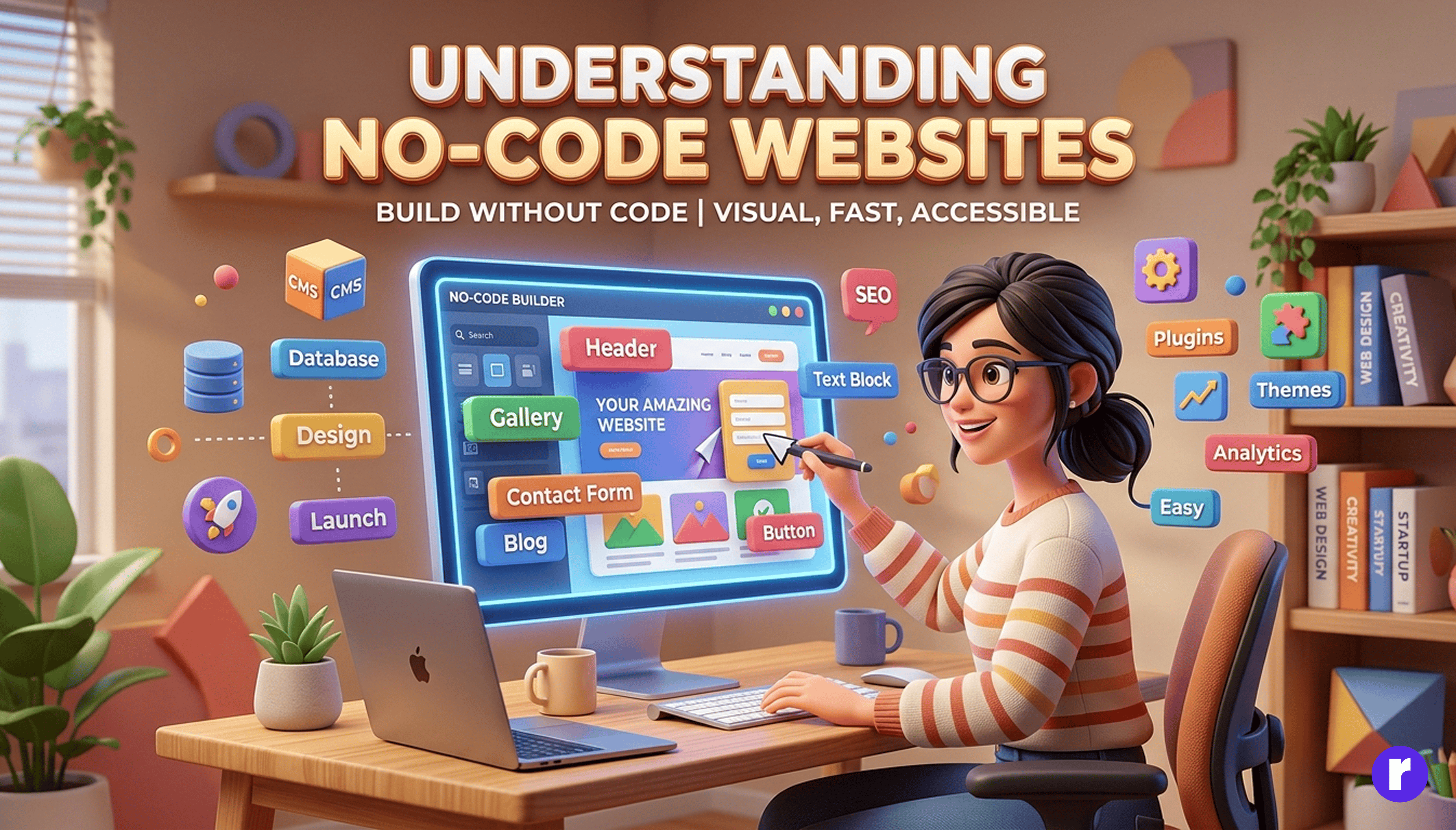
A no-code website is built using visual tools instead of manually coding HTML, CSS, or JavaScript. Platforms like Framer and Webflow use drag-and-drop editors that make designing pages, adding content, and publishing websites simple and efficient. Behind the scenes, they generate clean, semantic HTML, optimized CSS, and lightweight JavaScript that search engines can easily crawl.
This means no-code websites are technically sound, fast, and fully compatible with modern SEO requirements. Users benefit from an intuitive interface while search engines receive structured code they can index without issues.
To explore more insights on how no-code websites scale with structured content and SEO best practices, check out No-Code SEO Learning Platform.
Can No-Code Websites Appear on Google?
Google does not rank websites based on whether they are coded manually or built with no-code tools. What matters is relevance, usability, and trustworthiness. Page speed, mobile responsiveness, content quality, and engagement determine rankings.
A no-code website that loads quickly and offers valuable content can rank as well as a traditional website. Many high-ranking sites today are built with no-code platforms, proving that SEO success depends on content and user experience, not development method.
How Google Determines Rankings

Google ranks websites using a combination of content quality, technical setup, and user engagement. Content should be relevant, informative, and align with user intent. Technical factors ensure that Google can crawl and index all pages efficiently. User behavior, like time on site, bounce rate, and scroll depth, signals the usefulness of a website.
Well-structured and easy-to-navigate no-code websites perform well across these factors. By prioritizing user experience and technical optimization, no-code sites can compete with traditional websites in search results.
Performance and Speed
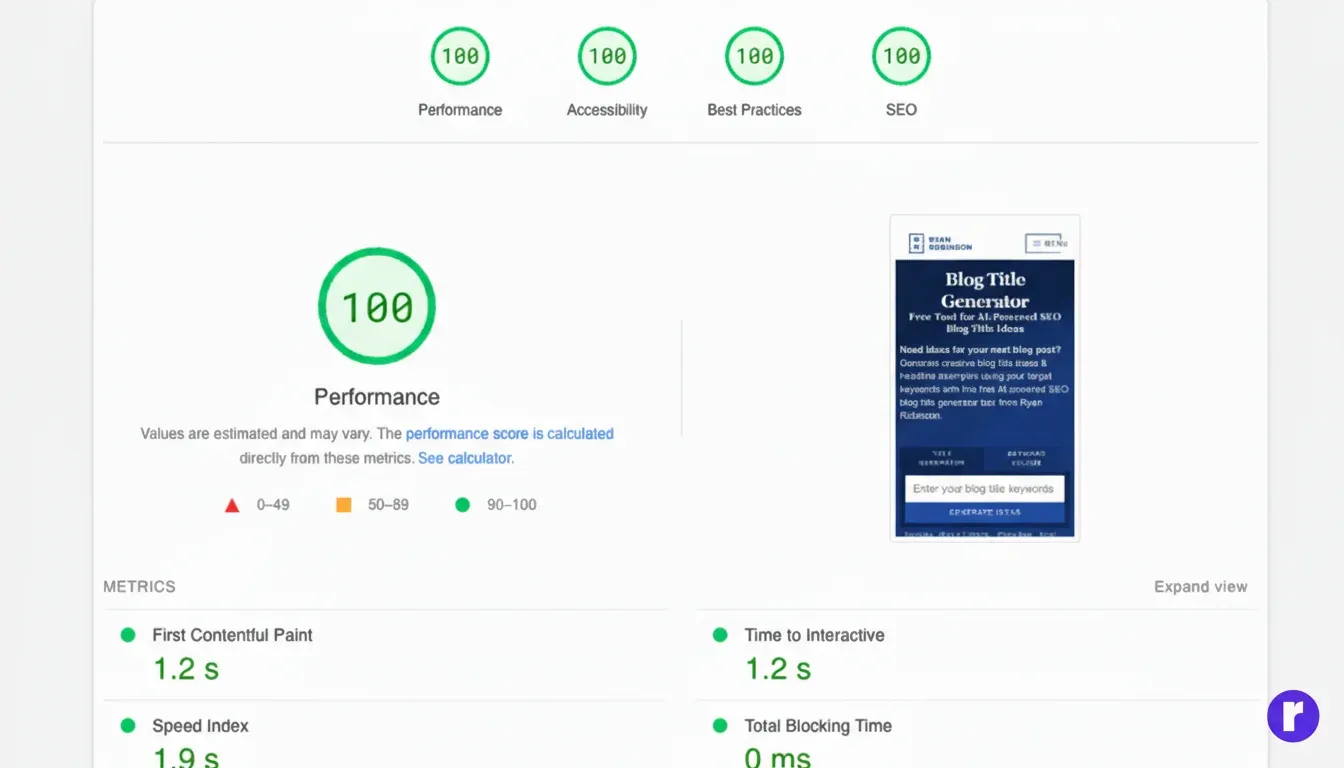
Website speed is a key SEO factor. Slow websites frustrate visitors and increase bounce rates, negatively affecting rankings. No-code platforms are optimized for speed with global hosting, content delivery networks, and automatic image compression. Their code is efficient and free of unnecessary scripts, ensuring faster load times.
Quick-loading pages improve user satisfaction and signal to search engines that the site is high quality, boosting rankings.
Clean & SEO-Friendly Structure

A clear site structure helps search engines understand content hierarchy and relationships between pages. No-code platforms generate semantic HTML, proper heading hierarchies, and logical layouts. Tools like Webflow allow management of internal links, headings, and URLs, enhancing both SEO and user navigation.
Clean URLs and structured pages improve indexing, helping Google identify key topics and rank pages for relevant keywords. A well-organized site also provides a better experience for visitors.
The Power of Quality Content

Quality content is the foundation of strong search engine rankings. No-code platforms make it easy to create, manage, and publish valuable blog posts without technical complexity. With built-in CMS tools, creators can focus on delivering informative, well-structured, and keyword-focused content that truly helps users.
By combining no-code simplicity with high-value content, businesses can attract organic traffic, improve engagement, and establish long-term SEO success.
Full Control Over On-Page SEO

Modern no-code platforms provide full control over on-page SEO elements. Users can edit meta titles, descriptions, page slugs, and image alt text directly from the platform. This allows precise optimization of each page without relying on plugins or developers.
Having control over SEO ensures every page is optimized for search engines. Consistent application of SEO best practices results in better visibility and higher rankings.
If you want step-by-step guidance on applying these SEO techniques effectively, check out the No-Code Website SEO Training Program.
Mobile-First Experience

Google primarily evaluates mobile versions of websites due to mobile-first indexing. No-code platforms are fully responsive and automatically adjust layouts for smartphones, tablets, and desktops.
A responsive design ensures smooth user experiences across all devices, reduces bounce rates, and improves engagement, boosting search engine performance. Mobile optimization is essential as mobile traffic continues to dominate online usage.
Conclusion
No-code websites can rank on Google when they prioritize speed, structure, and high-quality content. Search engines focus on relevance, user experience, and technical optimization rather than the building method. Platforms like Framer and Webflow provide the tools needed to create fully optimized, SEO-friendly websites, allowing businesses and creators to achieve long-term search visibility and success without coding.