How AI is Changing Web Development in 2026

Written by
Rinkle Poonia
Front End Developer

Keshav Saini
Front End Developer

Table of contents
Build with Radial Code
Share this


From Autocomplete to Full Workflows
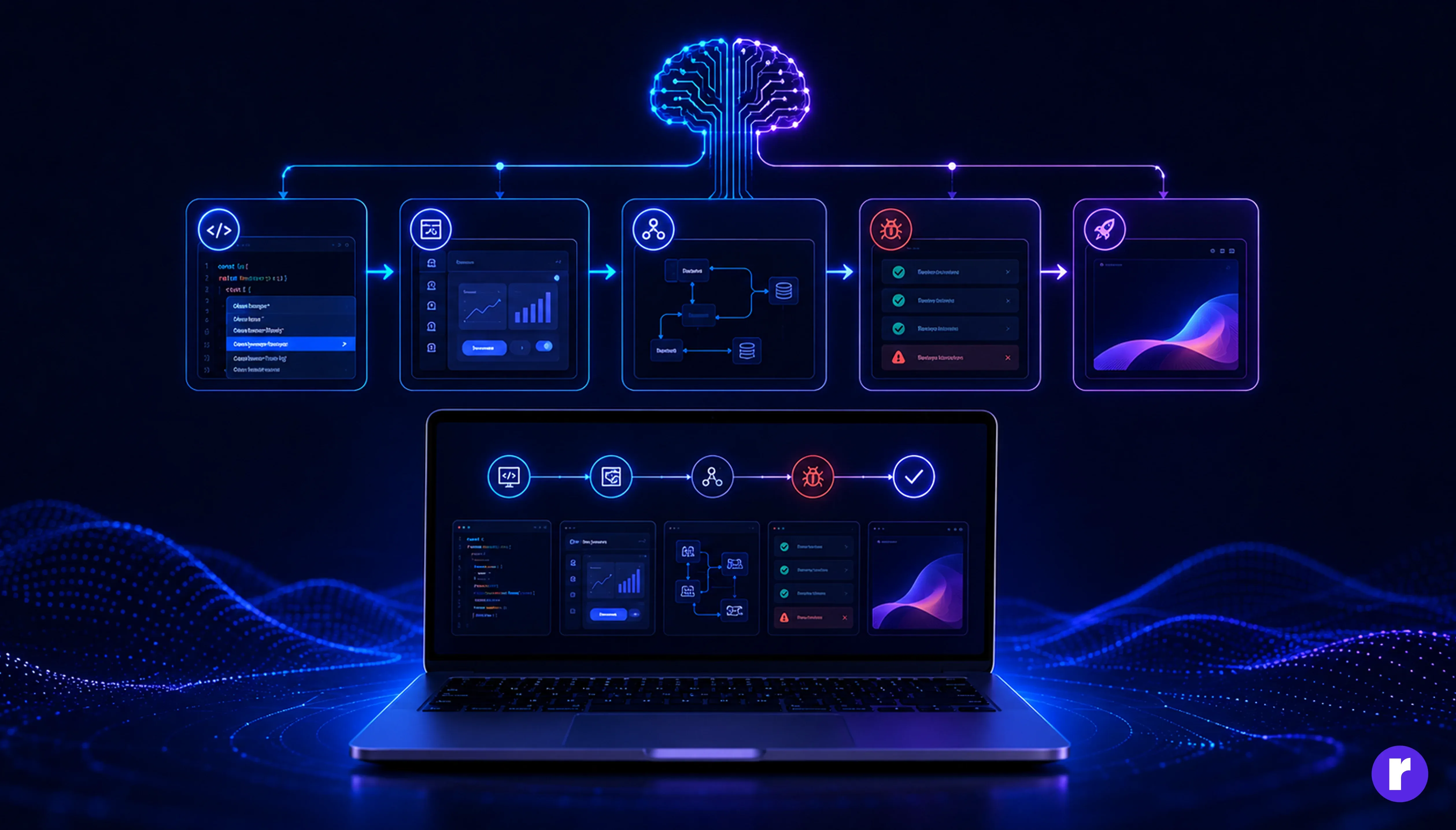
The biggest shift is what people are now calling "AI-first development." A few years ago, AI tools mostly finished your sentences in the IDE. Now, agentic coding tools can scaffold entire features, generate UI variations, trace how data flows through an application, and flag edge cases before they become bugs in production. Developers now act more as overseers, reviewing and steering rather than typing every line themselves.
The numbers back this up. Info-Tech Research Group's June 2026 study of 578 engineering and product leaders found that 94% report meaningful productivity improvements from AI, and 84% now use it during the Build phase of the software lifecycle, not just for one-off code suggestions. Jellyfish's 2026 State of Engineering Management report, based on more than 600 engineering professionals, found that 64% are seeing at least a 25% increase in developer velocity from AI.
This doesn’t mean the job has become easier—it has changed shape. Less time goes into repetitive implementation work, more goes into deciding what should be built, and increasingly, into reviewing what AI produced.
Want to learn more about AI? Explore our latest AI articles.
Meta-Frameworks Are the New Default

Choosing a router, configuring a bundler, wiring up your own data-fetching layer, that used to be a rite of passage. In 2026, most professional projects start from integrated meta-frameworks (Next.js, Nuxt, and similar platforms) that already handle routing, caching, rendering strategy, and API layers out of the box. Combined with AI-assisted scaffolding, a working full-stack foundation can go from zero to functional far faster than it used to. The line between frontend and backend keeps blurring too, as server actions and server functions mature enough to make "backendless" architectures realistic for a much wider range of products.
AI is Embedded Across the Whole Lifecycle
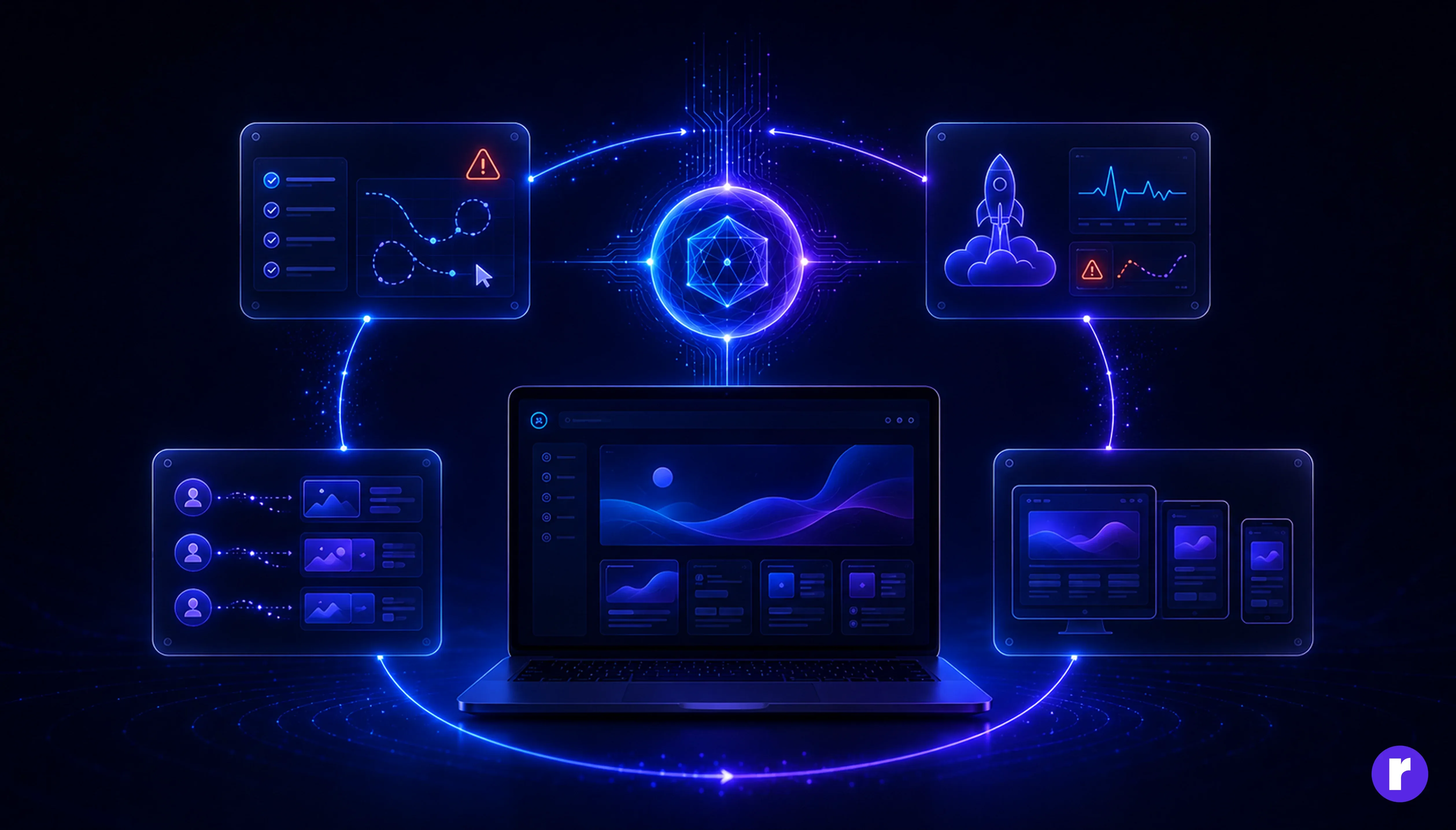
What's notable about 2026 specifically is how far AI has spread beyond code generation. It now shows up in:
- Testing — generating test cases and simulating edge-case user behavior before release.
- Deployment and monitoring — flagging anomalies and predicting failure points before users notice.
- Personalization — adapting layouts and content to individual users in real time instead of relying on static A/B-tested variants.
- Adaptive design — smart components that resize or reorder based on the data they're displaying, instead of fixed layouts built for a handful of breakpoints.
According to Sonar's 2026 State of Code Developer Survey of over 1,100 professional developers, AI now accounts for 42% of committed code, up sharply from prior years. Among developers who have personally tried AI coding tools, 72% report using them every day — a narrower, more committed group than "all developers," which is worth keeping in mind since daily-usage figures across the broader developer population (as in Stack Overflow's surveys) tend to land lower.
The Verification Bottleneck Nobody Can Skip

Here's the part of the 2026 story that's easy to leave out of an optimistic recap: AI-generated code hasn't eliminated developer effort so much as moved it downstream. That same Sonar survey found that 96% of developers don't fully trust AI-generated code to be functionally correct, yet only 48% say they always verify it before committing. And 38% report that reviewing AI-generated code actually takes more effort than reviewing code written by a human colleague.
Info-Tech's research echoes this: 67% of developers agree that AI-generated code requires more testing than human-written code, even as overall productivity climbs. The practical upshot is that "review and validate AI output" is becoming one of the most important skills of the era, not an afterthought. Teams that treat verification as a bolt-on tend to accumulate what one AWS executive has called "verification debt" — the hidden cost of code nobody fully checked.
Low-Code, No-Code, and Who Gets to Build
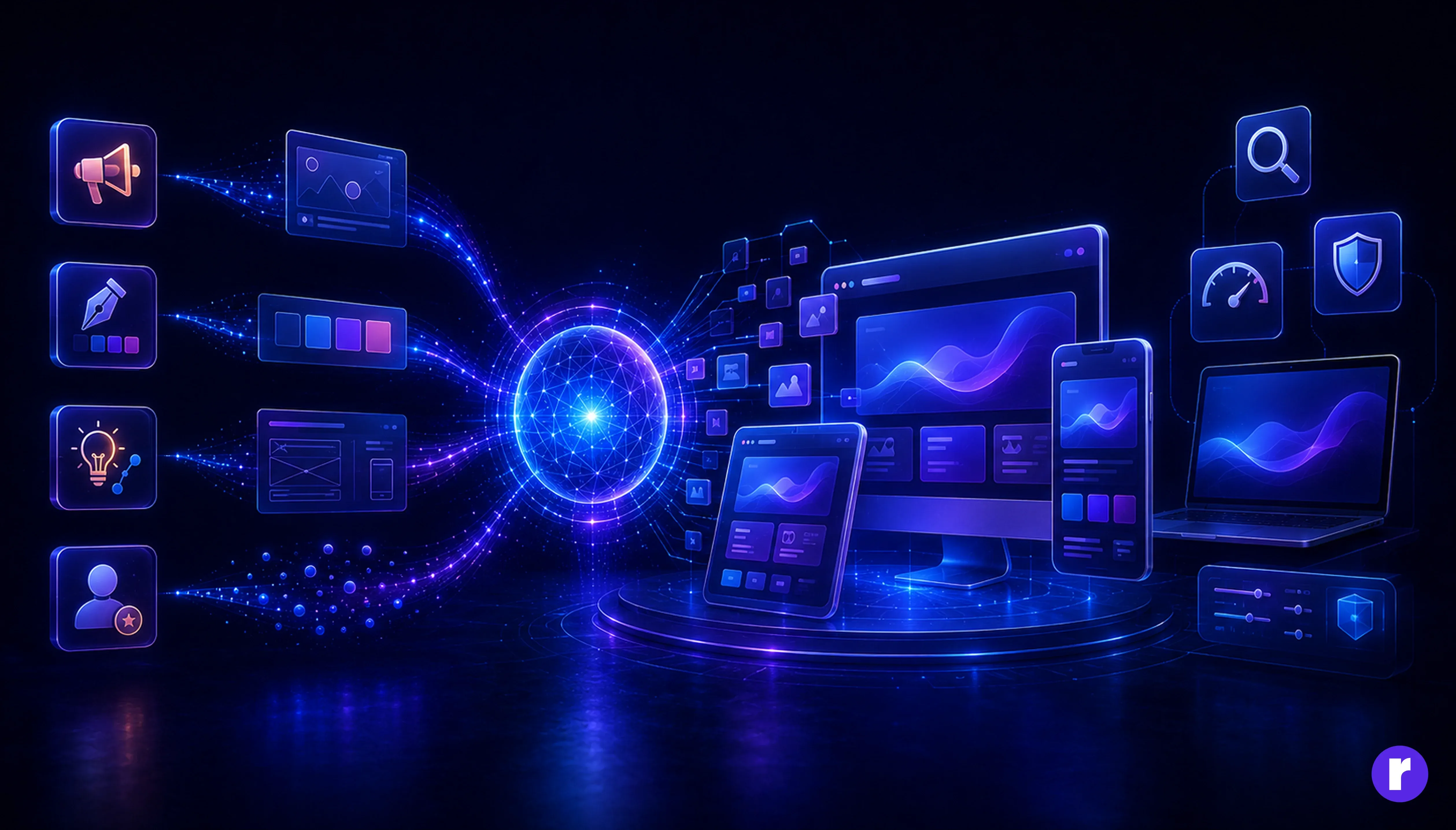
AI-powered website builders have also lowered the barrier to entry. Non-technical stakeholders, marketers, designers, founders can now describe what they want and get a working prototype, sometimes a production-ready site, without writing code. This is changing team composition: developers are more often the people who review, refine, and harden what AI and less-technical teammates produce, not the sole authors of every line.
New Priorities: Security, Trust, and Human Judgment

None of this is friction-free. As AI writes more code and handles more of the pipeline, security and data governance have become bigger concerns, not smaller ones. Teams are investing more deliberately in audit logs, consent management, and automated quality gates specifically because AI can move fast enough to introduce mistakes at scale before a human notices. The winning pattern isn't "let AI run unsupervised," it's a balance: AI accelerates scaffolding and iteration, while human reviewers and automated checks keep things safe and accurate.
What This Means If You're Building on the Web in 2026

A few practical takeaways:
- Learn to direct AI, not just use it. The valuable skill isn't typing code fast, it's giving clear intent, catching bad suggestions, and knowing when to override the tool.
- Default to meta-frameworks unless you have a specific reason not to. Hand-rolling infrastructure is now a choice, not a requirement.
- Design for adaptive, data-driven layouts, not fixed pixel-perfect mockups.
- Budget real time for review. With over a third of developers saying AI code review takes more effort than human code review, treat verification as core work, not overhead.
- Expect your role to shift toward orchestration — architecture, quality, and product sense matter more than raw implementation speed.
Ready to build a smarter, high-performing website? Visit Radial Code.
Conclusion
AI hasn't replaced web developers in 2026. It's changed what the job actually is, shifting the center of gravity from writing code to shaping the systems, guardrails, and review processes that AI executes within. The data is clear on both halves of that story: adoption and productivity gains are real and well-documented, but so is the trust gap that comes with them. The teams thriving right now are the ones who've stopped treating that gap as a footnote and built it into how they work.