Why Animation Is a Powerful Tool for Conversion and Retention

Written by
Ankush Dhull
Front End Developer

Vishal Chanda
Front End Developer

Table of contents
Build with Radial Code
Share this


In today’s fast-moving digital world, attention has become the new currency. People decide within just a few seconds whether they want to explore a website or bounce away. If a layout feels too static or lifeless, users quickly lose interest. In contrast, websites that use motion effectively can grab attention and guide the eye naturally. That’s where animation steps in — not as an extra layer of decoration, but as a purposeful design tool that enhances interaction, storytelling, and brand emotion. When used strategically, animation can turn a simple interface into an experience that feels alive, fluid, and memorable — keeping users engaged and coming back for more.
Grabbing Attention in the First Few Seconds
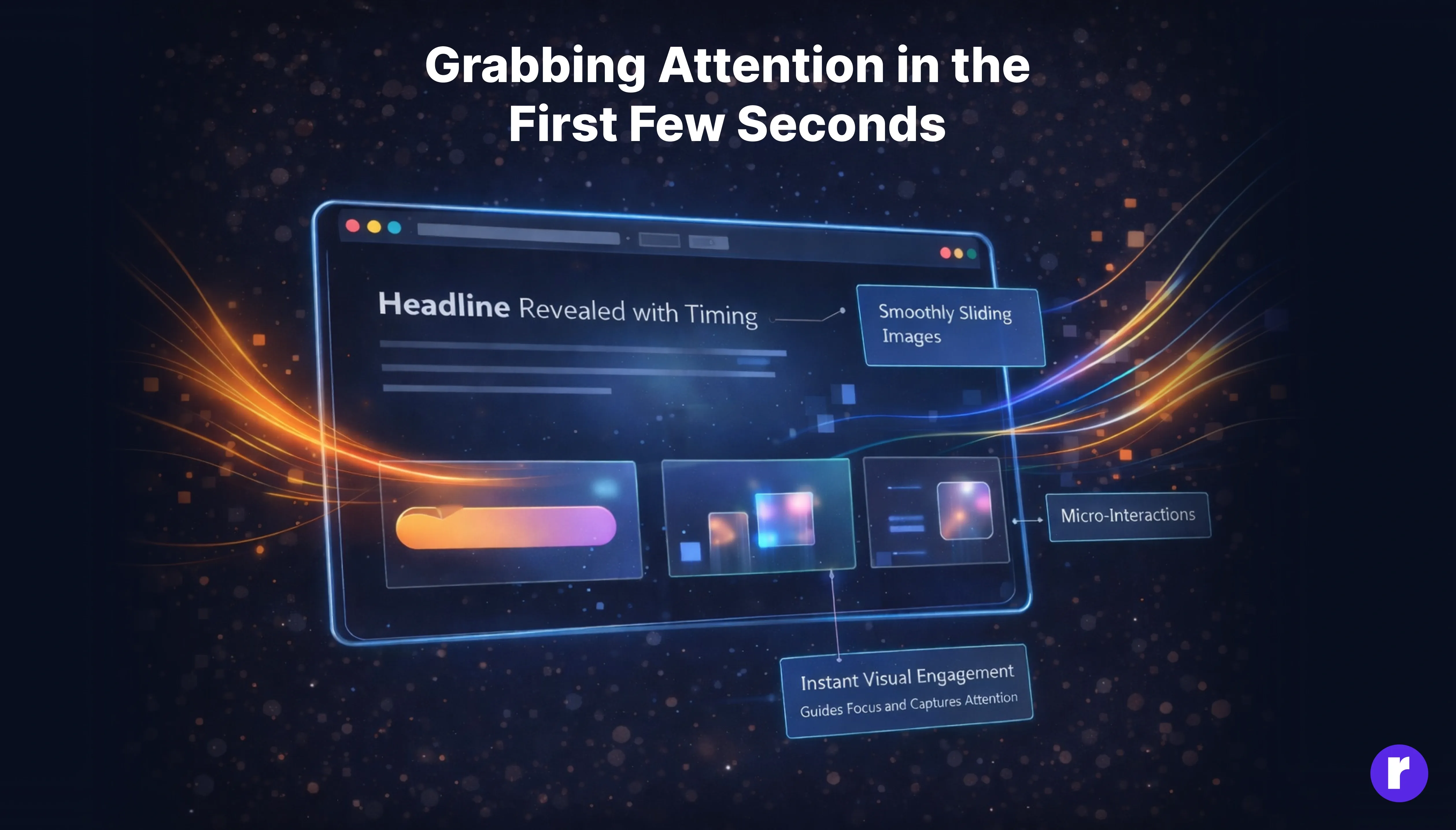
The first few seconds on a website are everything. This brief window decides whether users stay or leave. Humans are naturally drawn to movement — it’s part of how our brains evolved to detect changes and focus attention. This makes animation one of the fastest ways to capture user interest.
Simple motions like a fade-in effect, a headline that appears with timing, or images that slide smoothly into view create an instant connection. They make the interface feel modern and alive. However, the key is subtlety — heavy or distracting effects can feel chaotic. A balanced approach ensures the animation enhances focus rather than competes for it. This instant visual engagement encourages users to stay longer and explore — the first step toward higher conversions.
Continue your learning journey at Radial code
Guiding User Flow and Interaction
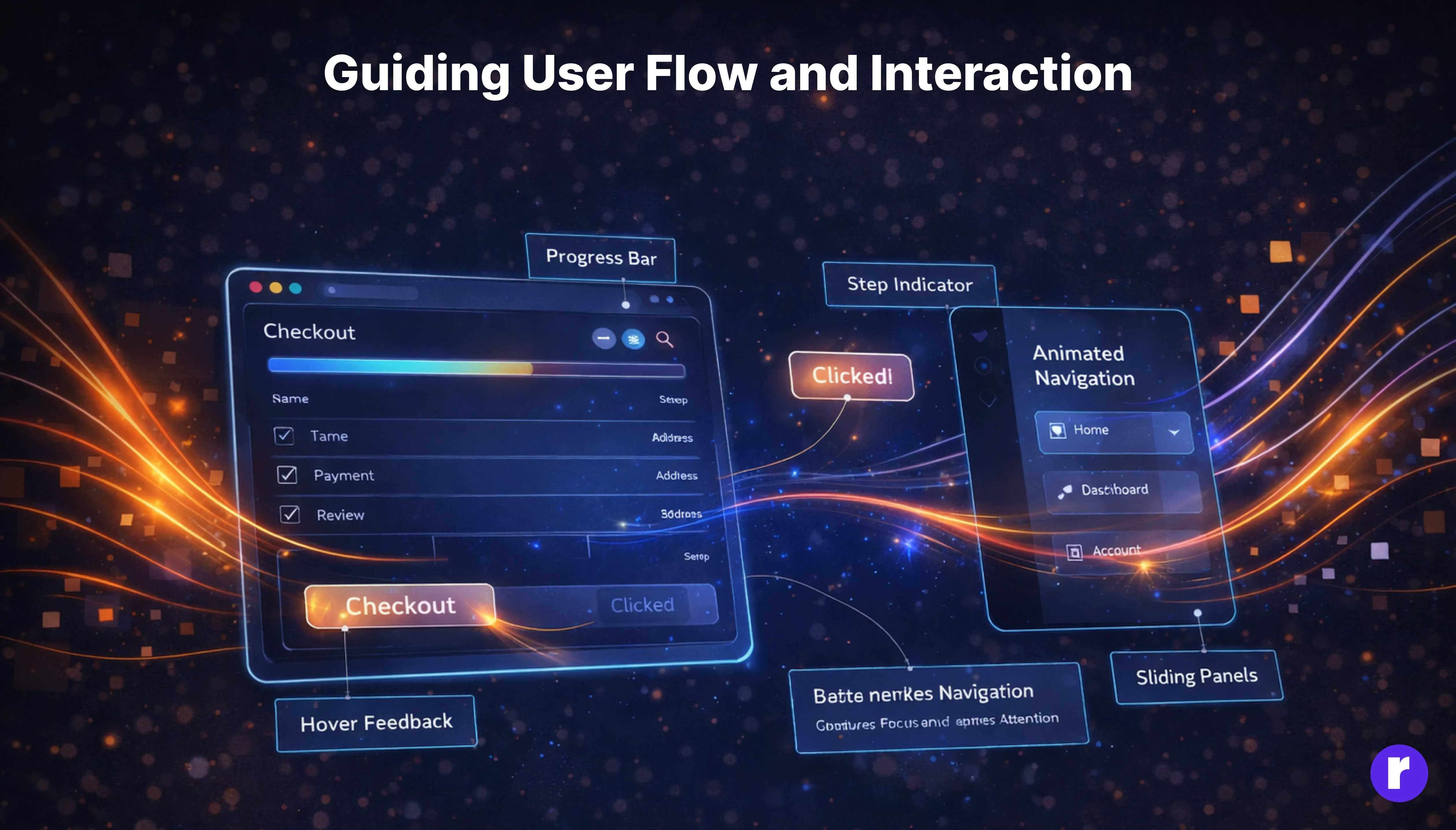
Think of animation as a digital form of body language. Just as gestures and expressions help us communicate in real life, motion helps guide users through an interface intuitively. When a button gently bounces after being clicked, or a new section smoothly slides into view as the user scrolls, it communicates direction and flow without a single word.
Animations like progress bars, hover transitions, and sliding panels help users understand what’s happening next. For example, a checkout form that fills with color as steps are completed reassures users of their progress. These visual cues reduce confusion, improve navigation clarity, and make actions feel seamless. When users don’t have to think about “how” to use the site, they focus more on engaging with the content — leading to fewer drop-offs and smoother conversions.
Building Emotional Connection and Brand Personality
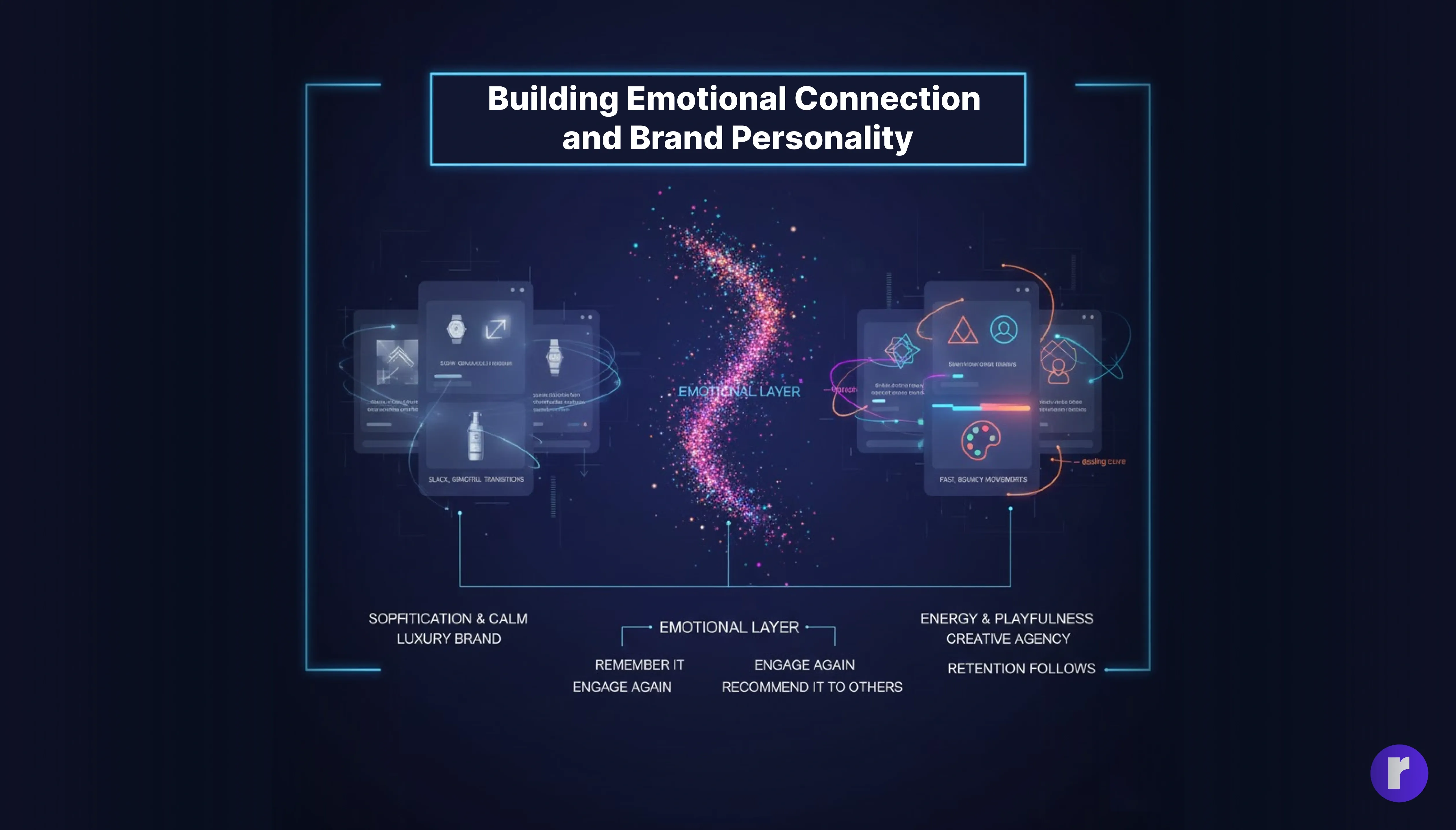
A website that feels cold and mechanical can be functional, but it won’t be memorable. Animation injects life into digital products and helps express a brand’s personality. Every motion, speed, and easing curve communicates mood and character. Slow, graceful transitions with soft fades can give a luxury brand a sense of sophistication and calm. Meanwhile, fast, bouncy movements bring energy and playfulness — perfect for startups or creative agencies.
This emotional layer makes the difference between a good interface and a great one. When people connect emotionally with a brand, they’re more likely to remember it, engage again, and recommend it to others. In short, motion design doesn’t just make things move — it makes them feel. And when users feel something, retention follows naturally.
Providing Feedback and Reinforcing Trust
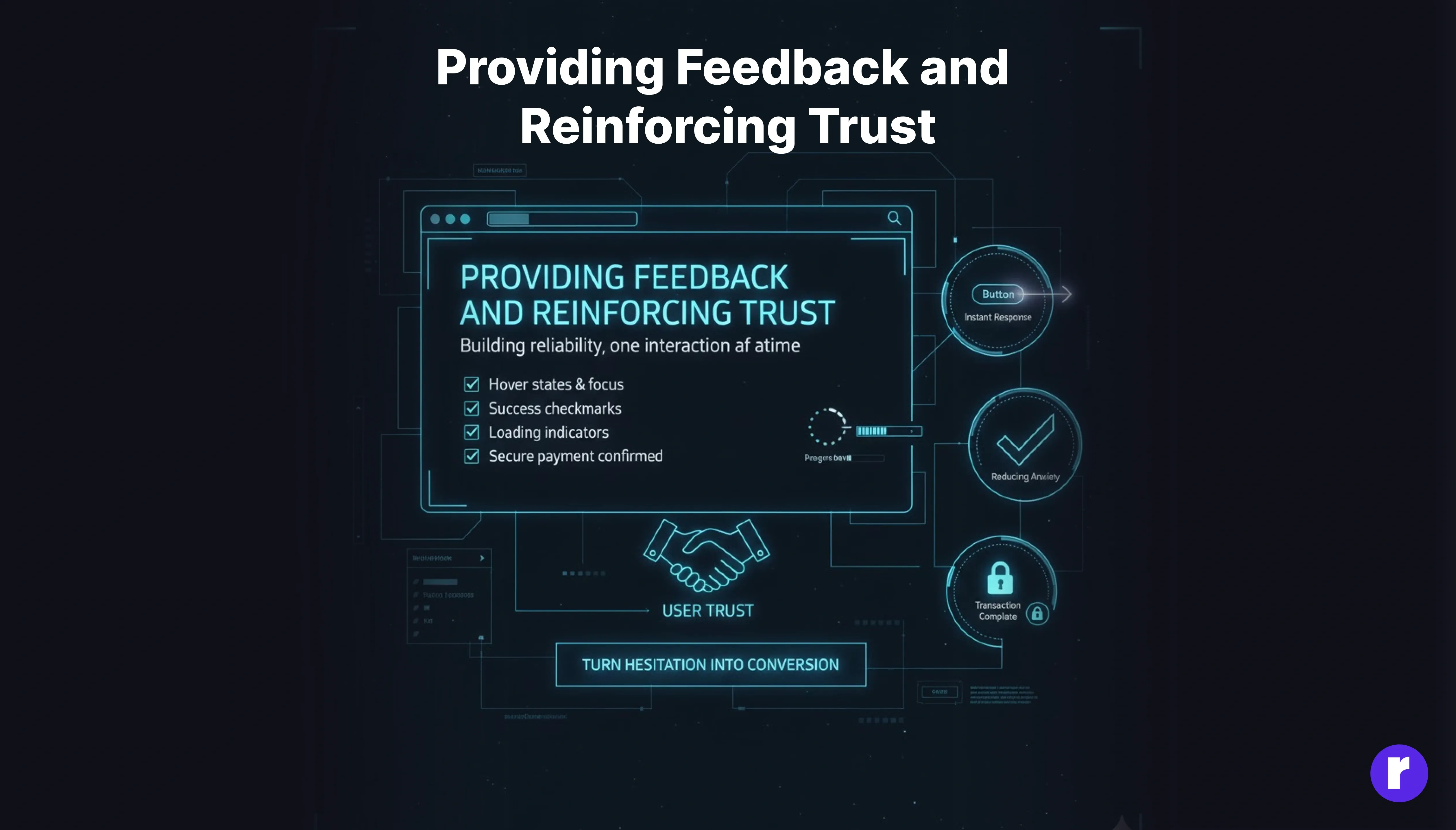
Trust plays a crucial role in conversion , and animation can quietly build it. Picture this: you click a button and nothing happens. It creates doubt — did it work or did the page freeze? Now imagine the same button slightly changes color, gives a soft bounce, or displays a quick loading animation. That instant response provides reassurance.
Micro-animations like hover states, success checkmarks, or loading indicators communicate system feedback clearly and efficiently. They reduce user anxiety, especially during actions like submitting forms or processing payments. These small signals show responsiveness, helping users feel that the website is reliable and under control. When people trust the interaction, they’re far more likely to complete tasks — turning hesitation into conversion.
Use animation to make your designs stand out — Click here
Enhancing Storytelling and Content Flow
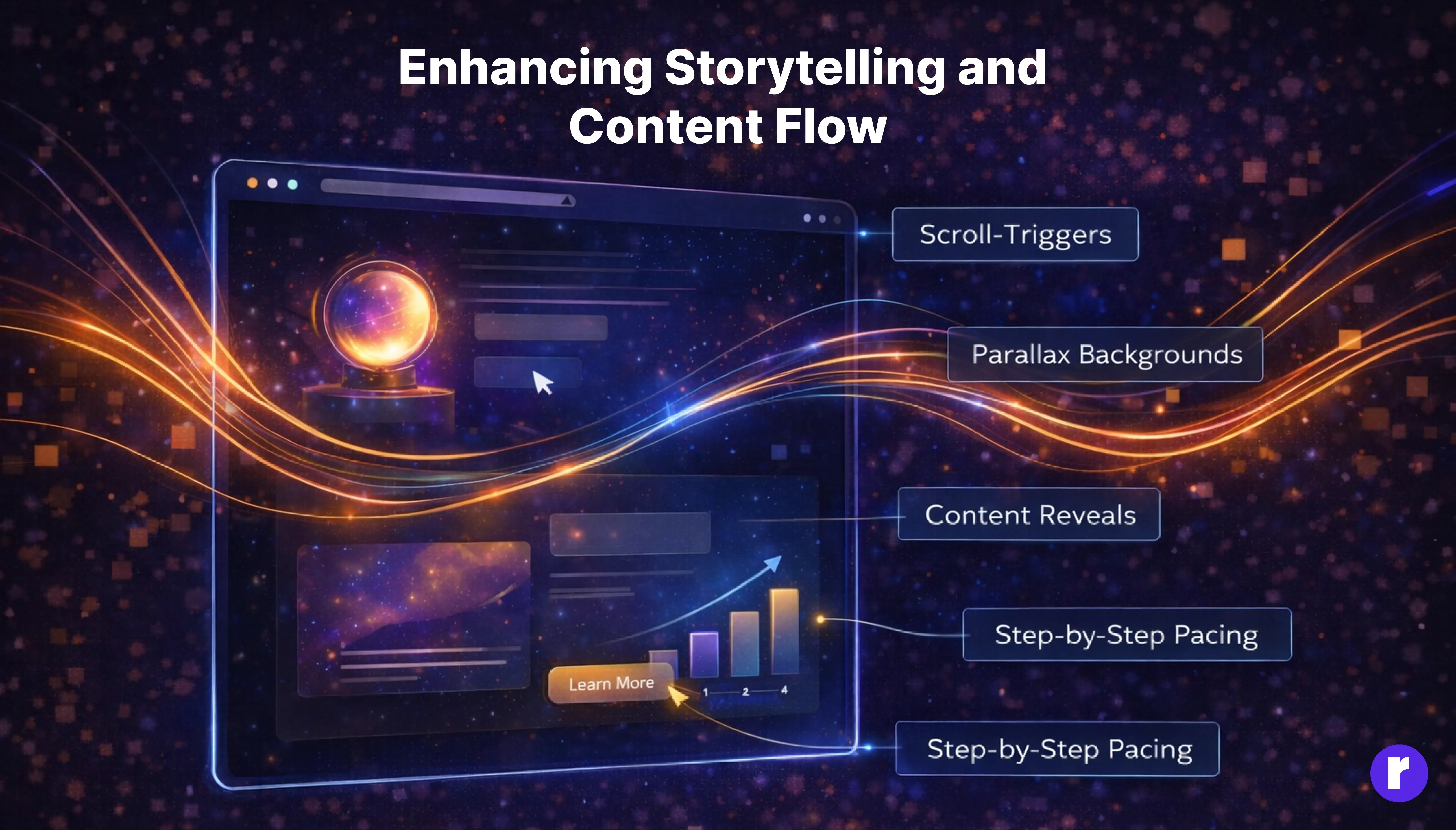
Today’s websites are less about static information and more about immersive storytelling. Animation shapes the pacing and rhythm of that story, just like transitions in a film. Scroll-triggered effects, parallax backgrounds, and staggered content reveals guide users naturally through the narrative.
Instead of overwhelming visitors with too much information at once, motion allows designers to present content in a step-by-step rhythm. This helps maintain curiosity while improving comprehension. A smooth transition from one section to another also prevents cognitive overload, keeping users interested throughout their journey. As a result, bounce rates drop, and users spend more time exploring. A well-animated flow transforms a simple scroll into an experience — one that users remember.
Encouraging Micro-Engagement and Repeat Visits
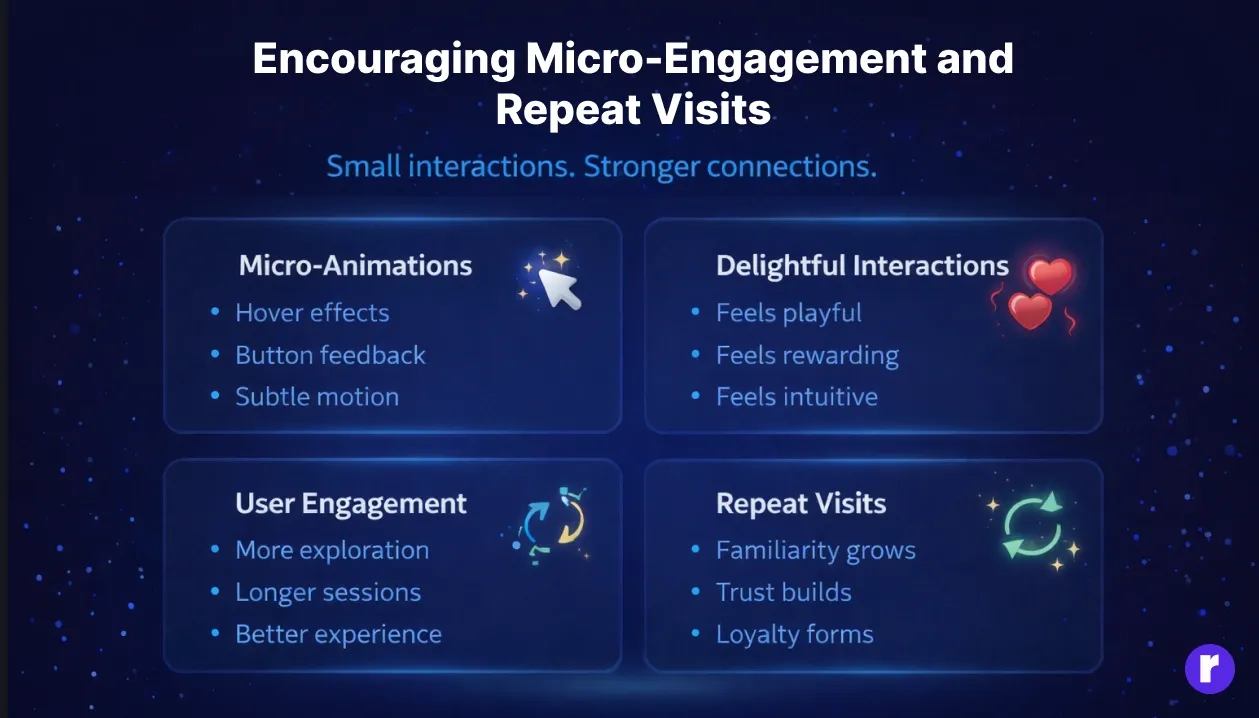
Sometimes, the smallest details make the biggest impact. Micro-animations — like an icon that wiggles when hovered, a like button that pops when tapped, or a product card that flips to reveal details — create small moments of delight. These aren’t just decorative; they add a sense of interactivity that feels rewarding.
When users enjoy these little interactions, they’re more likely to keep exploring. The experience feels playful and intuitive rather than mechanical. These enjoyable touchpoints turn one-time visitors into repeat users. Over time, consistent micro-interactions foster a sense of familiarity and connection. The more satisfying the experience, the stronger the retention. In essence, animation transforms usability into enjoyment — and enjoyment into loyalty.
Conclusion
Animation, when used thoughtfully, is far more than just visual decoration — it’s a strategic design element that directly impacts user behavior, perception, and trust. From capturing attention to guiding interactions, storytelling, and emotional engagement, motion enhances every stage of the user journey.
So, if you want your digital product to stand out, convert better, and keep people coming back — don’t just design visuals, design movement. Because in the digital world, motion isn’t just an effect; it’s communication, emotion, and connection rolled into one.