Figma is Not UX: Tools vs Thinking

Written by

Sumit Verma
UI/UX Designer
Table of contents
Build with Radial Code
Share this


Design tools don’t create great user experiences - thinking does. Over the last few years, Figma has become the default workspace for modern designers. It’s powerful, collaborative, and fast. But somewhere along the way, many teams started confusing proficiency in a tool with proficiency in UX.
Frames, auto layout, components, variants - these are execution mechanics. UX, however, lives in problem definition, behavioral insight, and decision architecture.
A polished mockup is not proof of good experience. It’s proof of good styling. The danger isn’t using tools. The danger is letting tools define the depth of your thinking.
Define the Problem Before Opening the Tool

Most design mistakes happen before the first wireframe is drawn. UX begins with clarity. Define the problem before you ever sketch a solution.
- What problem are we solving?
- Who is struggling?
- What behavior needs to change?
- What outcome defines success?
If these questions aren’t answered, opening a design file simply accelerates confusion. You move faster - but in the wrong direction. A tool can help you visualize solutions. It cannot help you choose the right problem. When thinking leads and tools follow, solutions gain depth. When tools lead and thinking follows, you get decorative layouts without strategic value.
Don’t Mistake Structure for Strategy
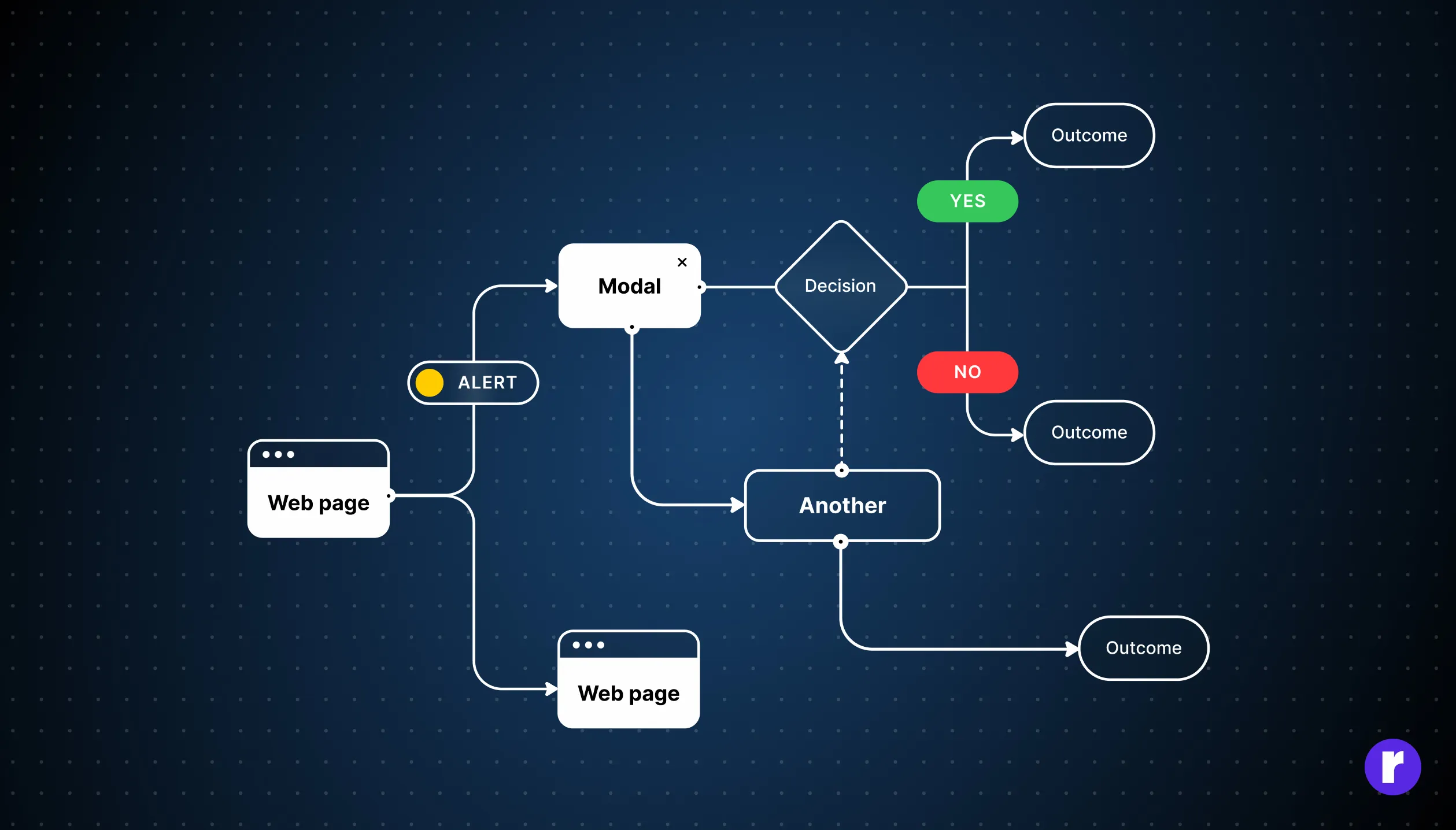
Auto layout creates clean alignment. Design systems create consistency. Components create efficiency. None of these create meaning. UX strategy is about reducing cognitive load, guiding attention, managing emotional states, and shaping decisions. A perfectly spaced interface can still overwhelm users. A visually stunning prototype can still fail in real-world use.
The real question isn’t: “Does this look organized?”
It’s: “Does this guide the user forward when they’re unsure what to do next?”
Structure supports experience. It doesn’t define it. Clarity isn’t about removing elements - it’s about removing confusion. This is explored further in “The Rise of Minimal UX: Why Simple Interfaces Convert Better” , where simplicity is shown as a strategic driver of trust and conversions - not just a visual style.
Design Thinking Happens Outside the Canvas
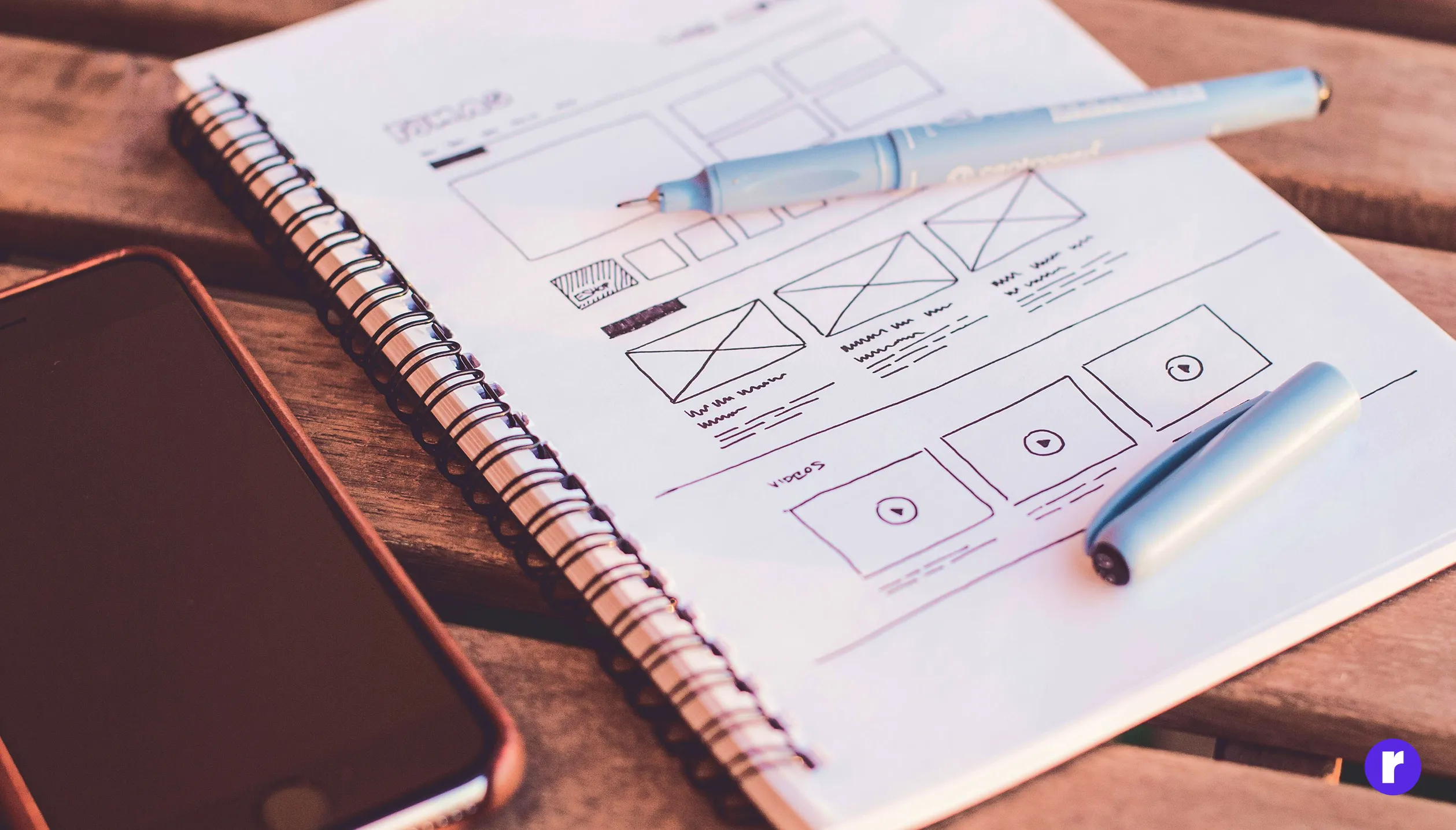
Some of the most important UX work doesn’t happen inside a design file; it happens in the conversations and research that shape it. That’s where the real solutions live.
It happens in:
- User interviews
- Journey maps
- Whiteboard sessions
- Data analysis
- Stakeholder conversations
Thinking requires stepping away from pixels. It means questioning requirements instead of decorating them. It means challenging feature requests when they don’t align with user needs. The canvas is where ideas are expressed - not where they are born.
Collaborate Beyond the Design File
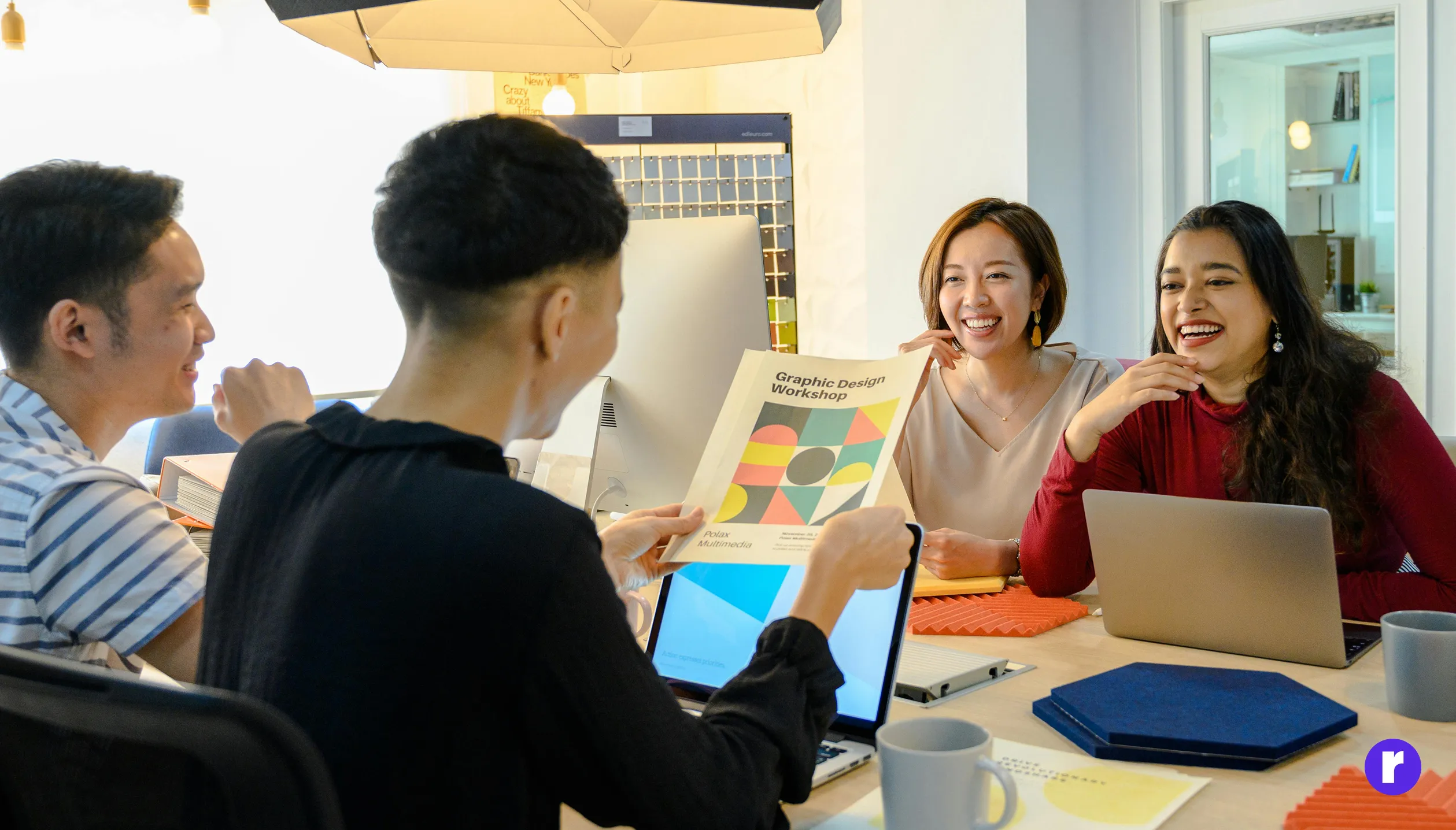
Real UX exists at the intersection of design, engineering, product, and business strategy. A shared file is not the same as shared understanding.
Designers who think beyond the tool:
- Explain decisions in terms of user behavior and business impact.
- Translate visual changes into measurable outcomes.
- Invite engineers early to align feasibility with intent.
When conversations revolve around outcomes instead of aesthetics, design becomes strategic - not decorative.
For more insights on UI/UX design, visit Radial code
Build Experiences, Not Screens

Screens are containers. Experiences are journeys. A well-crafted interface might look flawless in isolation, but UX is defined by transitions, states, loading moments, edge cases, and recovery paths.
Ask deeper questions:
- What happens when the user makes a mistake?
- What happens when the system fails?
- What happens when expectations aren’t met?
Conclusion
Figma is powerful. But it’s just a tool. UX is not measured by how well you use components, but by how clearly you understand behavior. Not by how fast you design, but by how precisely you solve problems.
The strongest designers don’t rely on the canvas to think for them. They define intent before layout, strategy before styling, and outcomes before aesthetics. Tools evolve. Interfaces change. Trends fade. Clear thinking doesn’t.