What is User Testing? Types and Benefits Explained

Written by

Chandani Sahani
UI/UX Designer
Table of contents
Build with Radial Code
Share this


In today’s digital world, having a website or mobile app is almost essential for businesses, startups, and even personal brands. But simply building a website or app is not enough. The real question is: Are people actually able to use it easily?
This is where User testing becomes incredibly valuable. It helps businesses understand how real users interact with their product and what improvements are needed to create a better experience.
Let’s explore how user testing can significantly improve your website or app.
What is User Testing?

User testing (also called usability testing) is a process where real users interact with a website or app to identify problems, confusion, or difficulties they may face while using it.
Instead of assuming what users want, companies observe how users actually behave. This provides valuable insights into what works well and what needs improvement.
For example: If users struggle to find the checkout button on an e-commerce website, that indicates a design or navigation issue.
Why User Testing is Important

Many developers and designers believe they understand their product perfectly. However, the real users often think differently.
User testing is important because it helps improve user experience by identifying issues like confusing navigation, slow pages, difficult forms, and unclear instructions. It also helps detect problems early, saving time, effort, and development costs before launch. In addition, user testing increases conversion rates by making websites easier to use, encouraging users to complete purchases, sign-ups, or other actions. It also provides valuable insights into user behavior, helping designers understand how people interact with the platform. Most importantly, user testing helps create user-centered products that solve real problems, provide smooth navigation, and build user trust and satisfaction.
Types of User Testing
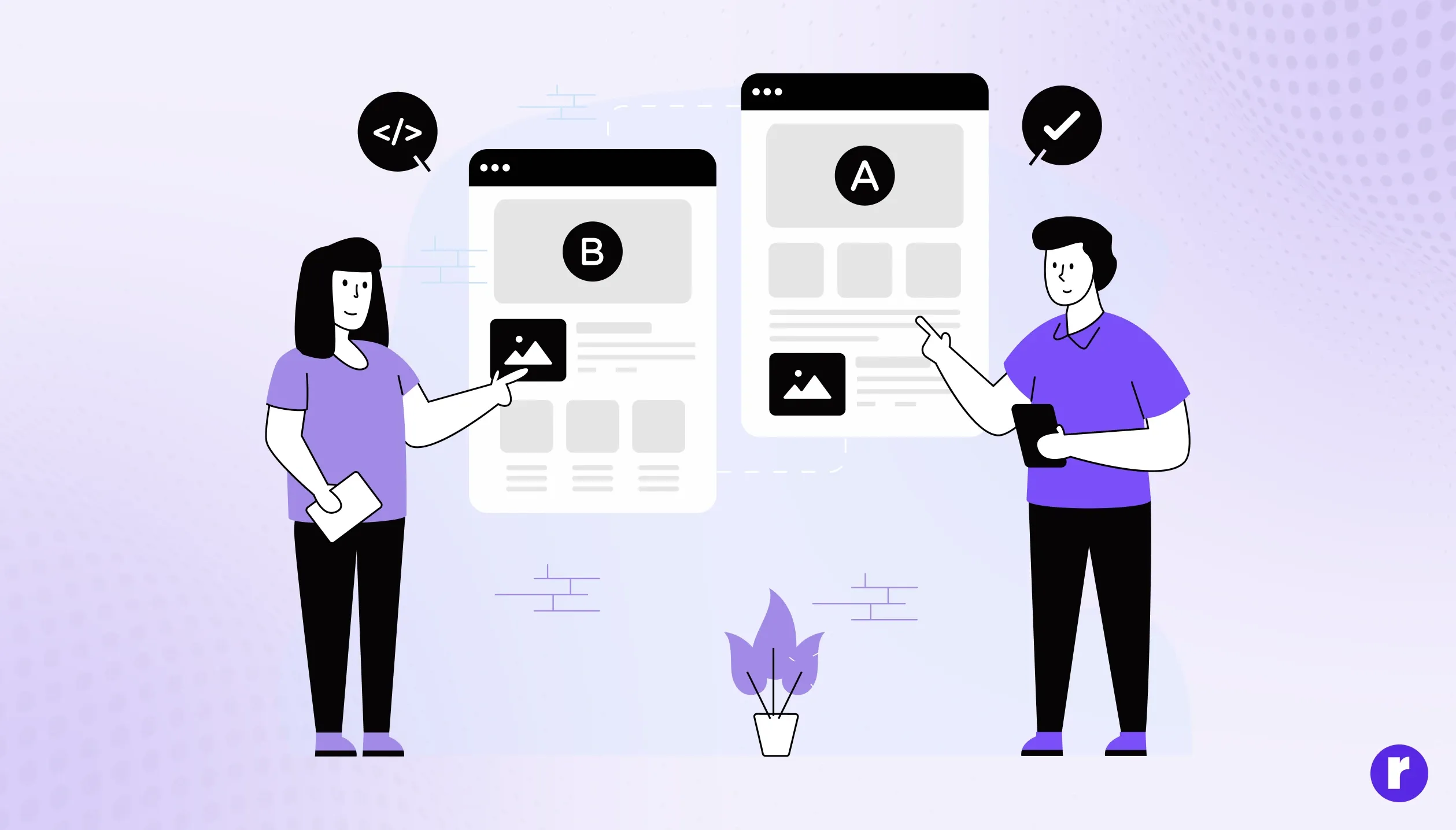
User testing can be divided into different types, each focusing on specific aspects of the user experience. Choosing the right testing method helps businesses improve the usability, performance, and overall effectiveness of a website, app, or digital product.
Here are some common types of user testing:
- Usability Testing (UX Research): Tests how easily users can navigate and complete tasks on a website or app.
- Surveys: Collects user feedback about their experience, satisfaction, and suggestions.
- Focus Groups: A small group discussion used to understand user opinions, behavior, and expectations.
- Beta Testing: Testing a product by users before final launch.
Conclusion
User testing helps businesses improve websites and apps by identifying problems and enhancing usability through real user feedback. It allows companies to understand user behavior and make better design decisions.
For students and professionals in UX, product management, or development, learning user testing is an important skill that helps create more effective and user-friendly digital products.
In a world where user experience defines success, listening to users through testing is the smartest way to build better products Visit here.