The Frontend Developer’s Blueprint: A Complete Technology Roadmap

Written by
Vishal Chanda
Front End Developer

Palvi Tiwari
Front End Developer

Table of contents
Build with Radial Code
Share this


Frontend development has become one of the most innovative and fast-moving fields in the tech world. Every year, new tools, frameworks, and libraries appear, offering developers smarter, faster, and more efficient ways to build modern web applications. Because of this rapid growth, it can be difficult for beginners—and even experienced developers—to understand what each technology does and how everything fits together. Having a clear map of the frontend ecosystem makes learning easier, ensures better decision-making, and helps developers stay focused on the right skills.
This guide breaks down the essential components of frontend development: Core languages, UI frameworks, JavaScript libraries, Build tools, Testing methods, and Deployment platforms. Whether you are starting your journey or already building advanced applications, this blueprint will give you a complete overview of the technologies shaping today’s web.
Core Web Technologies (HTML, CSS, JavaScript)
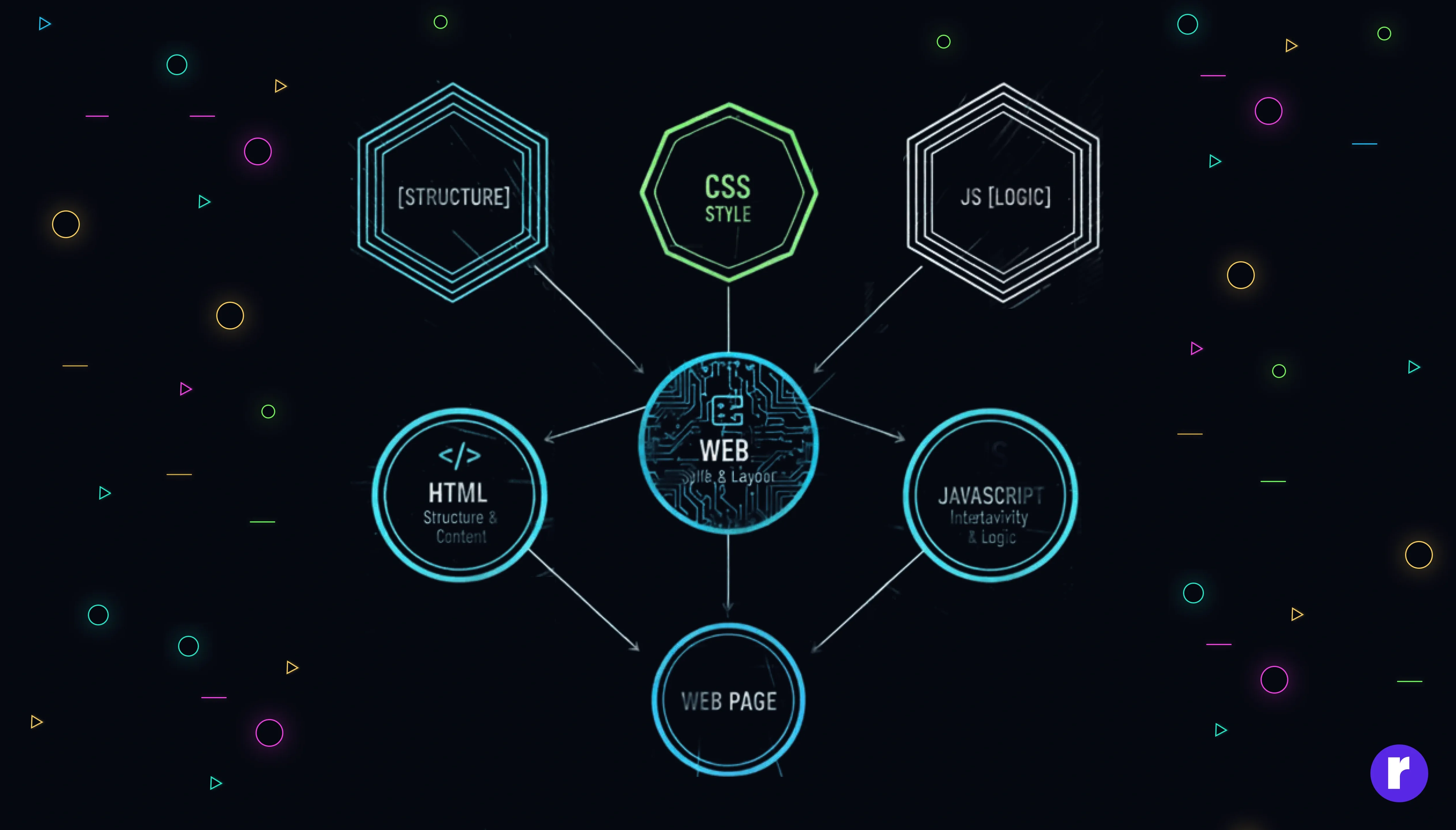
Every website in the world, from simple landing pages to complex web apps, is built on three foundation languages.
- HTML (HyperText Markup Language): Provides the structure of the webpage—headings, paragraphs, forms, buttons, and everything you see on the screen.
- CSS (Cascading Style Sheets) : Is responsible for styling and layout. From colors and fonts to grids, animations, and responsiveness, CSS determines the look and feel of the interface.
- JavaScript: Adds interactivity and dynamic behavior. It enables features like sliders, dropdowns, API calls, animations, and logic-based controls.
These three technologies work together to bring your website to life. A strong command of HTML, CSS, and JavaScript lays the foundation for learning advanced frameworks like React or Angular. They are the first and most important steps in becoming a frontend developer.
Popular CSS Frameworks
Manually writing CSS for every component can slow down development as projects grow in size. CSS frameworks offer Pre-built styles, Components, and Responsive layouts that help developers design faster.
- Tailwind CSS: Has quickly become a favorite because of its utility-first approach. It gives you full control using predefined classes while keeping your design consistent.
- Bootstrap: One of the oldest and most popular frameworks, provides ready-made grids, buttons, forms, and components that work well for rapid UI development.
- Material UI: Brings Google’s Material Design system to life with beautiful, modern, and accessible components for React applications.
These frameworks help Maintain design consistency, Speed up development, and Reduce repetitive code, allowing developers to focus more on logic rather than styling.
Top JavaScript Frameworks & Libraries
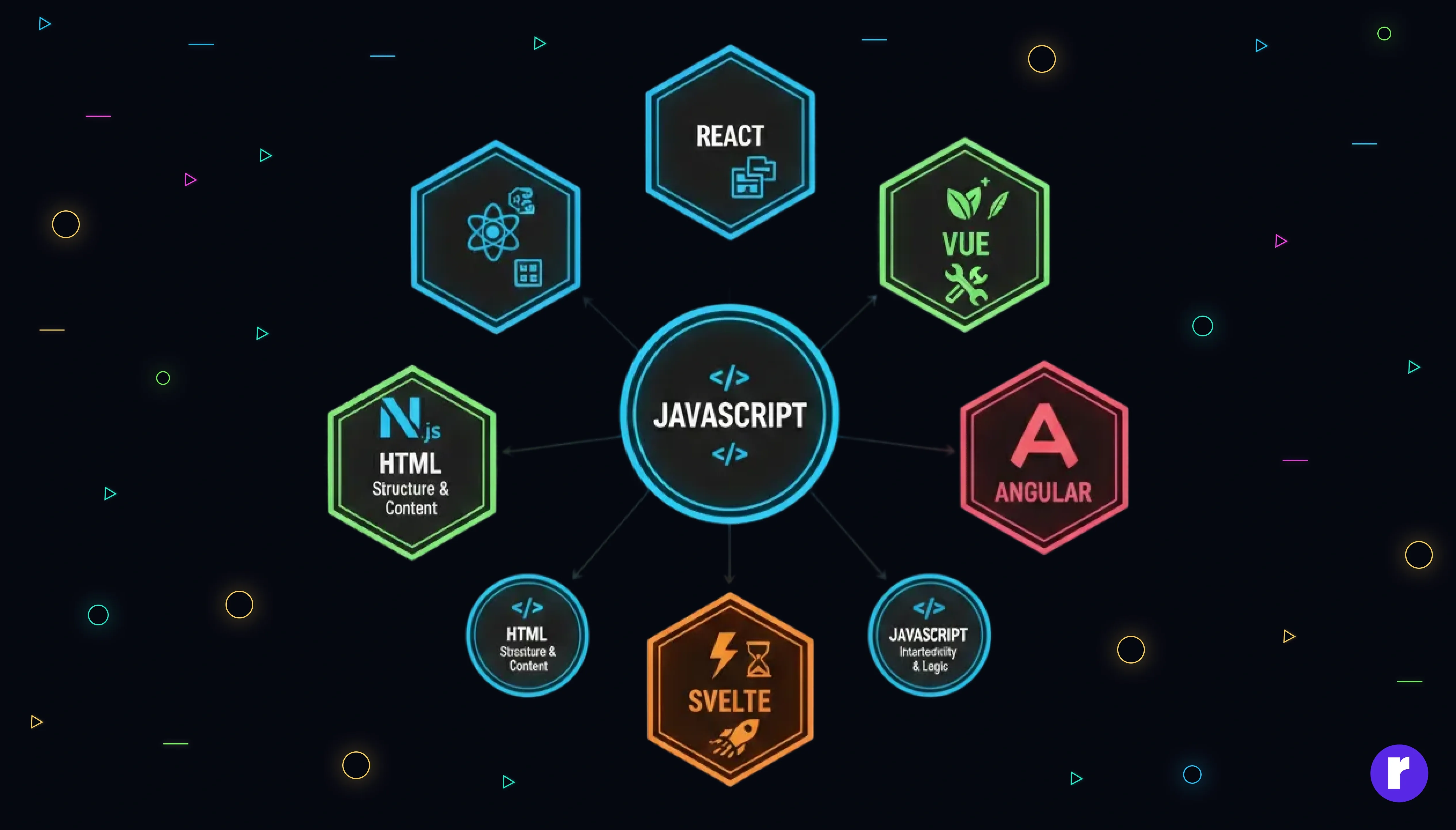
Modern web applications require powerful tools to manage complex UIs efficiently. JavaScript frameworks and libraries make this possible.
- React is currently the most widely used library, known for its component-based architecture and flexibility.
- Vue is beginner-friendly and great for building lightweight applications.
- Angular is a complete framework that provides everything you need out-of-the-box, including routing and state management.
- Svelte compiles your code efficiently, resulting in extremely fast performance.
- Next.js built on top of React, simplifies server-side rendering, routing, and SEO optimization—making it a top choice for production-level apps.
Each framework has Unique strengths,, and the best choice depends on project requirements and developer preference.
State Management Tools
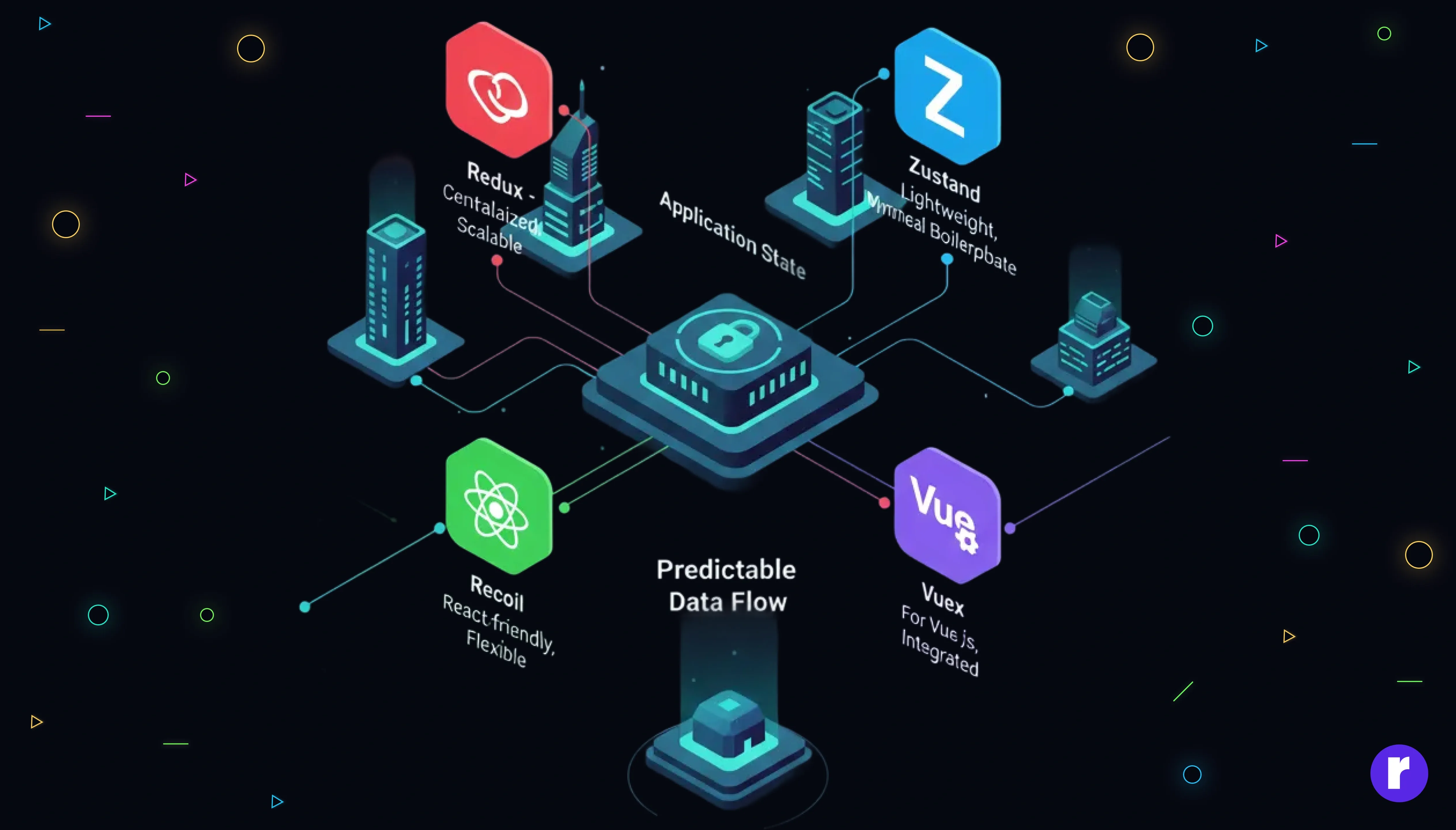
As applications grow, managing data across multiple components becomes difficult. State management tools are designed to handle this complexity in a structured way.
- Redux has been the most popular state management library for years, known for its predictable data flow.
- Zustand offers a lightweight alternative with minimal boilerplate.
- Recoil provides a more intuitive approach for React developers.
- Vuex is a state management solution created specifically for Vue.
These tools prevent bugs caused by Inconsistent or scattered data. They make your application Stable, Scalable, and Much easier to maintain.
Start your learning journey and build industry-ready skills with Radial code.
API & Data Handling Tools
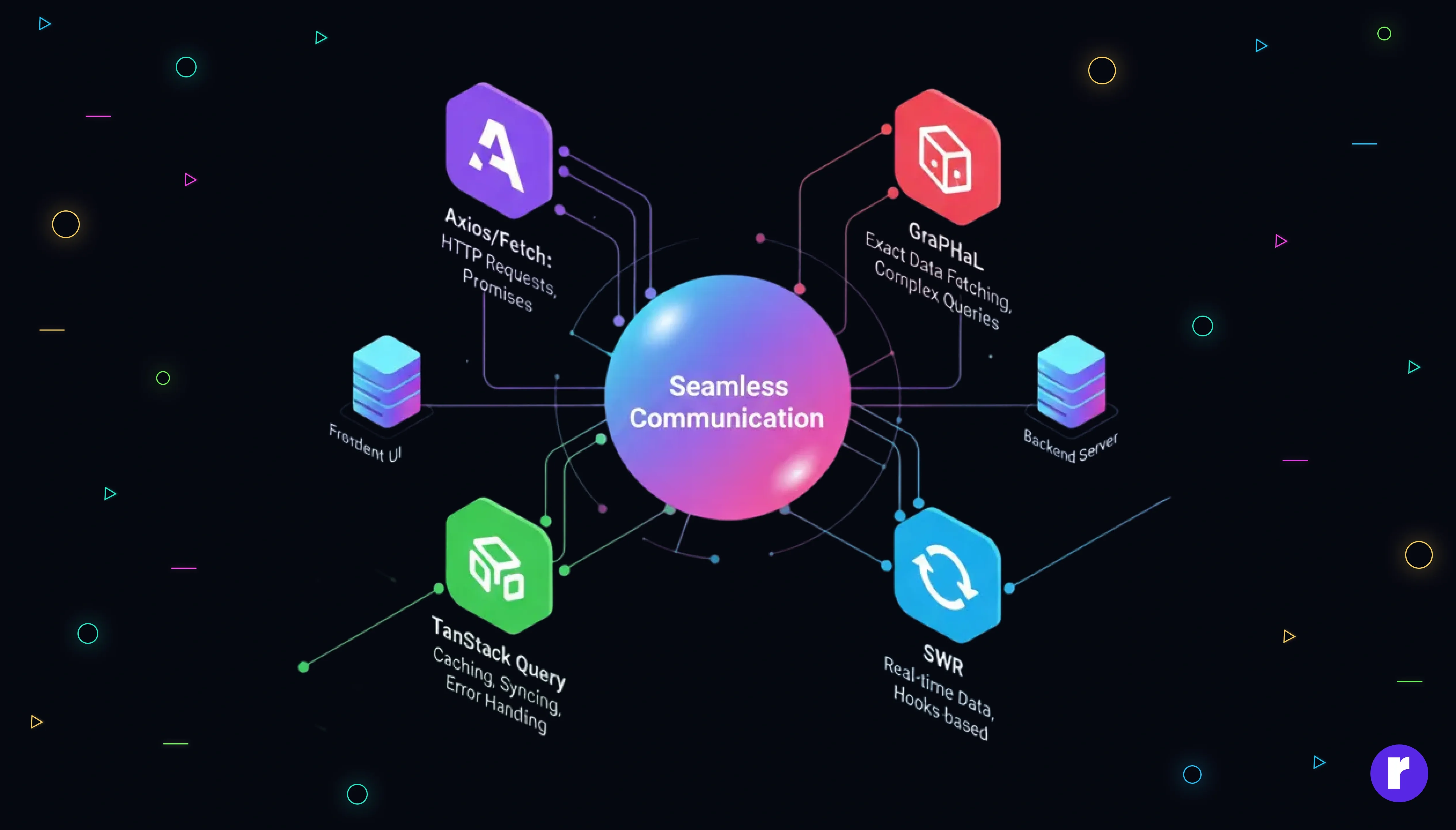
Frontend applications frequently interact with servers to fetch or update data. Several tools help manage this process smoothly.
- Fetch API and Axios are commonly used for making HTTP requests.
- GraphQL allows clients to request exactly the data they need, making it highly flexible and effective for applications with complex data structures.
- TanStack Query (React Query)handles caching, background updates, loading states, and error handling automatically—making data fetching easier and more reliable.
These tools ensure seamless communication between the UI and backend, improving both performance and user experience.
Build Tools & Bundlers
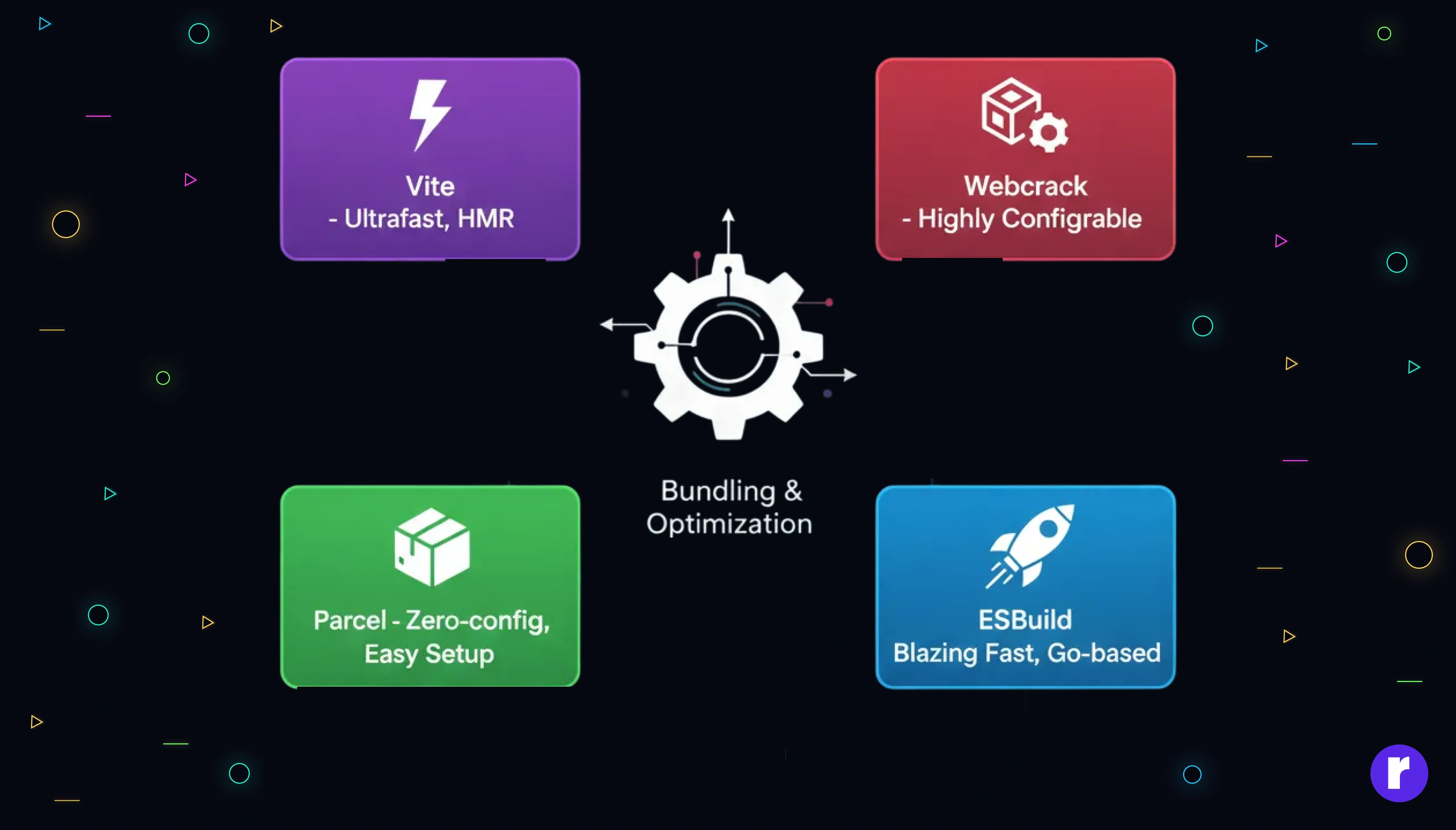
Build tools optimize your project before it goes live. They handle tasks like bundling, minification, asset optimization, and Hot Module Reloading (HMR) during development.
- Vite is currently one of the fastest tools due to its intelligent bundling system and instant server start.
- Webpack remains highly customizable and is still widely used for large-scale enterprise apps.
- Parcel automatically handles configurations, making it ideal for beginners.
- ESBuild is known for its lightning-fast performance and efficient bundling.
These tools ensure that your application loads quickly in the browser and performs smoothly across devices.
Explore more in web development — click here.
Testing Tools
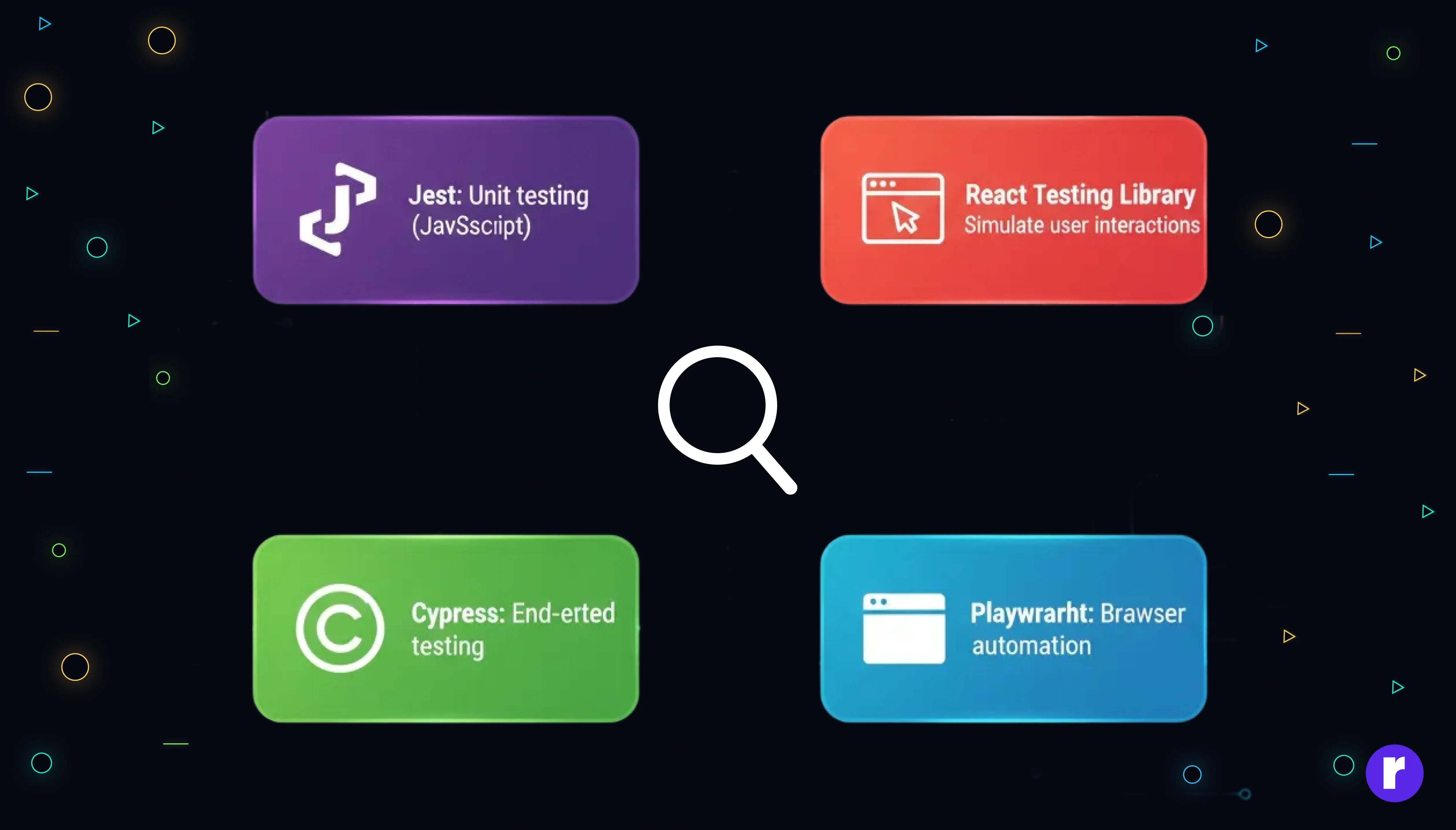
Testing is essential to ensure your application's UI and features work as expected.
- Jest is widely used for unit testing in JavaScript projects.
- React Testing Library helps test components by simulating real user interactions, ensuring the UI behaves the way users actually use it.
- Cypress and Playwright are end-to-end testing tools that simulate real browser interactions.
With proper testing, bugs are caught early, reducing issues in production. A well-tested project is more Stable, Professional, and Easy to maintain.
Deployment Platforms
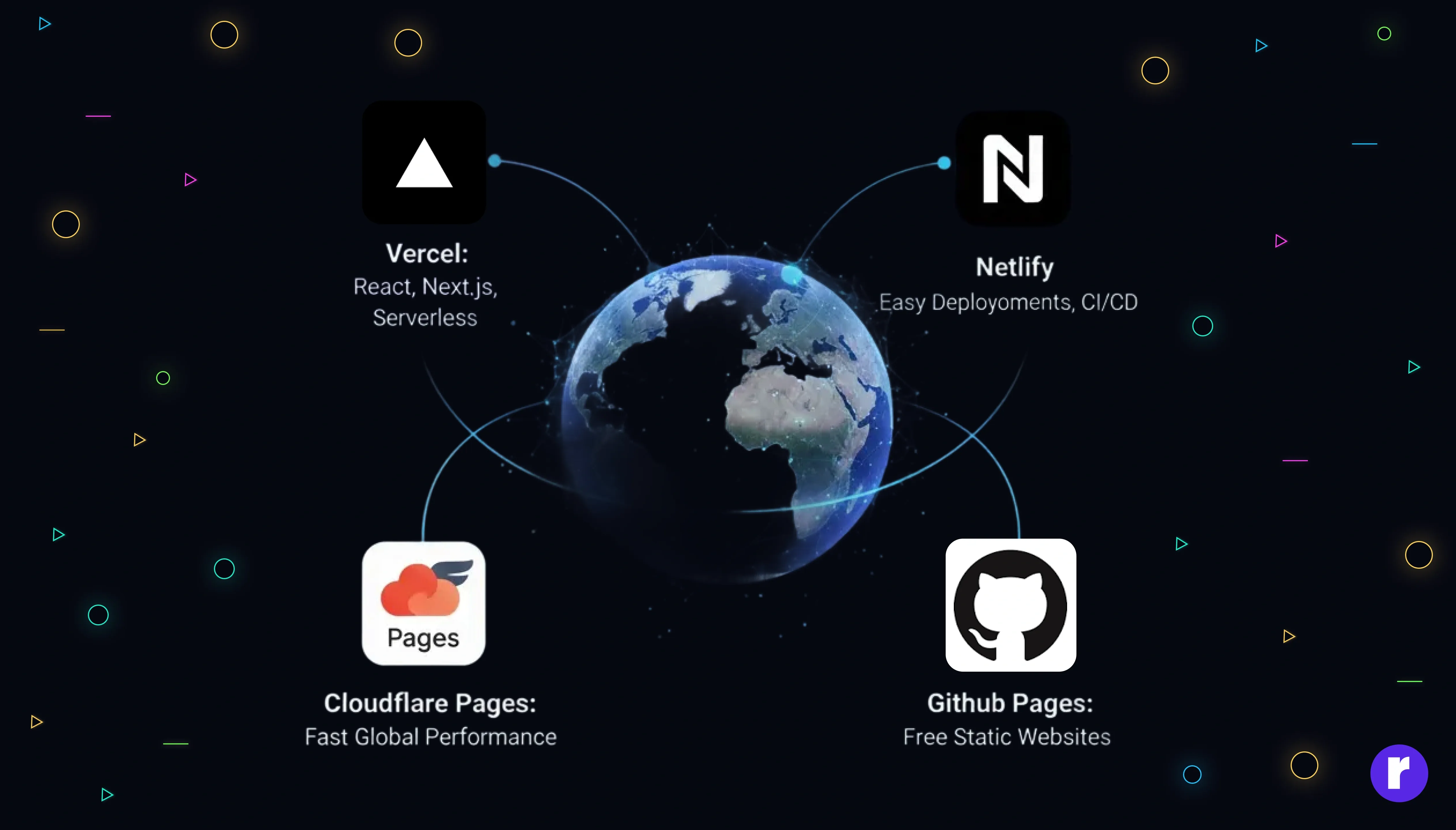
Once your website is ready, it needs to be deployed and made accessible to users worldwide.
- Vercel is ideal for React, Next.js, and serverless applications.
- Netlify provides easy deployments, serverless functions, and excellent CI/CD support.
- Cloudflare Pages offers fast global performance and secure hosting.
- GitHub Pages is great for hosting static websites for free.
These platforms offer automated builds, global CDNs, and smooth deployment workflows, ensuring your site loads quickly and stays online without issues.
Conclusion
The frontend ecosystem is vast, dynamic, and constantly evolving. Understanding the core tools and technologies helps developers choose the right learning path and stay confident while exploring new advancements. By mastering foundational skills and gradually adopting modern frameworks, anyone can build responsive, high-performance, and engaging web experiences. Continuous learning is essential in this fast-changing field—developers who stay updated gain long-term growth, better career opportunities, and stronger development skills.