Why Frontend Development Is Evolving Faster Than Ever

Written by
Ankush Dhull
Front End Developer

Vishal Chanda
Front End Developer

Table of contents
Build with Radial Code
Share this


Frontend development has experienced one of the fastest evolutions in the history of software development. What started as simple web pages built with HTML and basic CSS has now transformed into complex, highly interactive applications that feel as smooth and responsive as native software. This rapid evolution is not happening by chance. It is driven by changing user expectations, powerful new tools, performance demands, and the growing role of frontend developers in modern applications.
In today’s digital world, the frontend is often the first and most important point of interaction between a user and a product. As a result, businesses and developers alike are investing heavily in improving frontend experiences. Let’s explore the key reasons why frontend development is evolving faster than ever before.
Increasing User Expectations and Experience-Driven Design
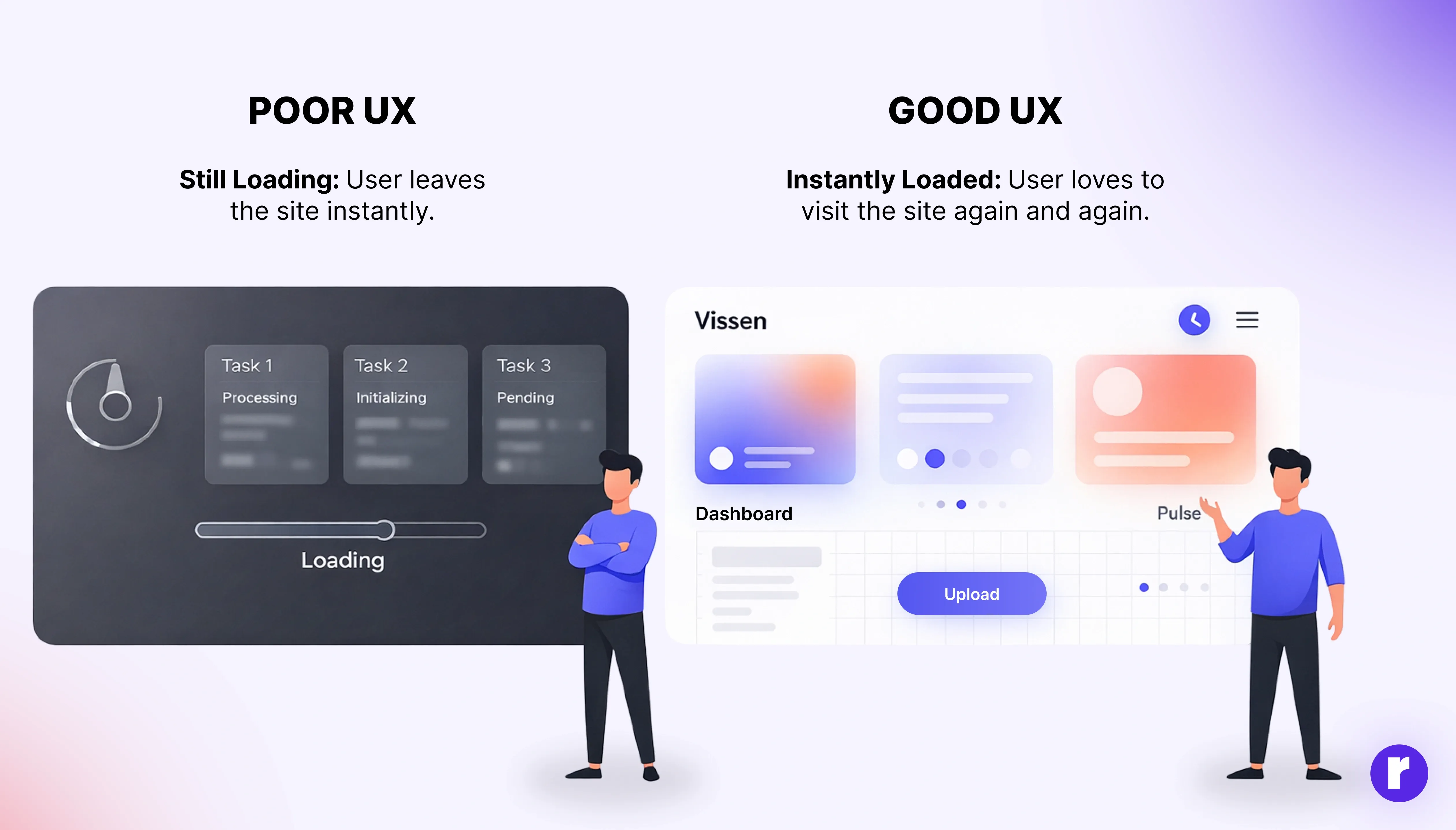
Modern users are no longer impressed by websites that simply “work.” They expect interfaces to be fast, visually appealing, intuitive, and responsive. Smooth animations, instant loading, micro-interactions, and clean layouts have become standard expectations rather than premium features. Social media platforms, streaming services, and mobile apps have set a high benchmark for user experience. When users encounter slow or poorly designed interfaces, they tend to leave within seconds. This behavior pushes frontend developers to continuously adopt new techniques, libraries, and design patterns that enhance usability and engagement.
User experience (UX) and user interface (UI) design are now deeply integrated into frontend development. Developers must understand layout systems, accessibility, color contrast, typography, and interaction design. This blend of design and development accelerates innovation and drives the rapid evolution of frontend technologies.
Build future-ready frontend skills—continue your learning journey at Radial Code
Rapid Advancement of JavaScript Frameworks and Libraries
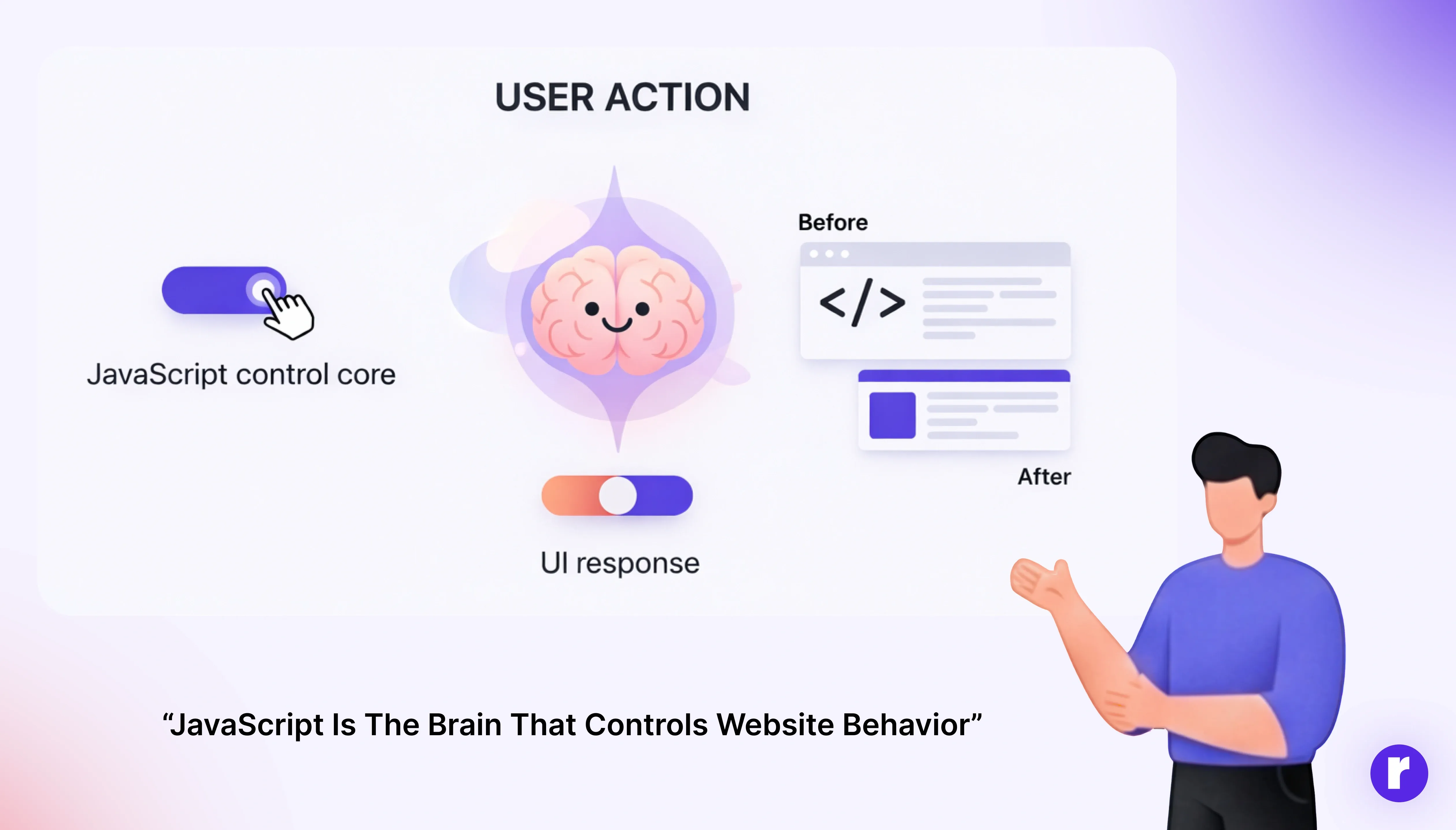
JavaScript has become the backbone of modern frontend development. Frameworks and libraries such as React, Vue, Angular, Next.js, and Nuxt have completely changed how user interfaces are built and maintained.
These tools introduce component-based architecture, making code more reusable, maintainable, and scalable. Instead of writing repetitive code for each page, developers can create components once and reuse them across applications. This approach significantly speeds up development while improving consistency.
Additionally, these frameworks evolve rapidly with frequent updates, performance improvements, and new features. Server-side rendering, static site generation, and hybrid rendering models have further blurred the line between frontend and backend development. As frameworks continue to innovate, frontend development naturally evolves alongside them at a fast pace.
Mobile-First Development and Multi-Device Compatibility
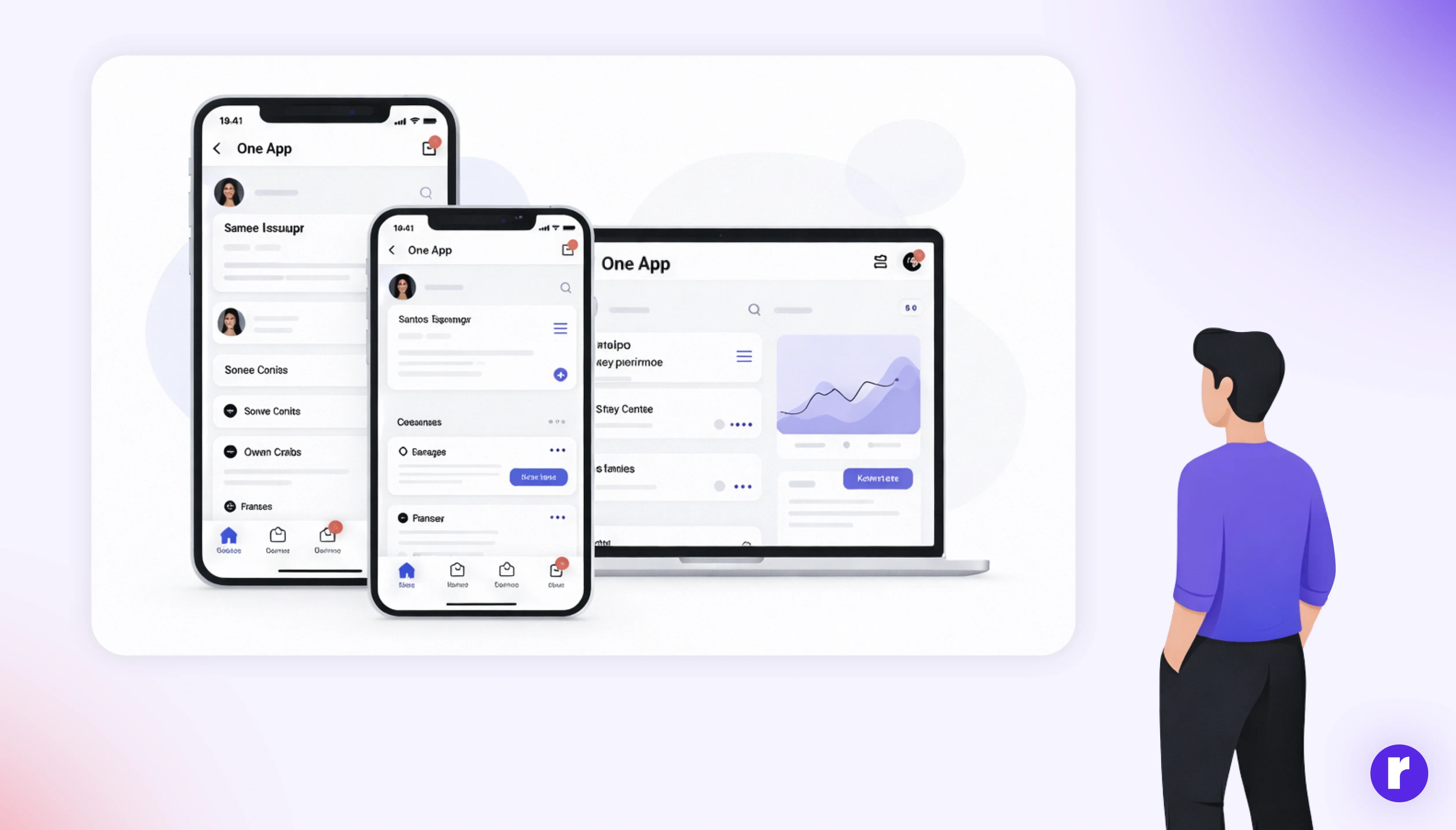
Mobile devices have become the primary gateway to the internet for most users. This change has transformed mobile-first development from a best practice into a core requirement. Frontend developers are now responsible for creating interfaces that deliver a seamless experience on smaller screens while remaining flexible and visually consistent across tablets, laptops, and large desktop displays.
Responsive design techniques, flexible grids, and adaptive components are now core frontend skills. Developers also need to account for touch interactions, varying network speeds, and different device capabilities.
Beyond mobile and desktop, applications are now accessed on smart TVs, wearables, and embedded systems. Supporting such a wide range of devices requires constant innovation in layout systems, styling techniques, and performance optimization, contributing to the rapid evolution of frontend development.
Want to write cleaner and more scalable frontend code? Check out Modern JavaScript Patterns for Efficient Development.
Strong Focus on Performance and Core Web Vitals
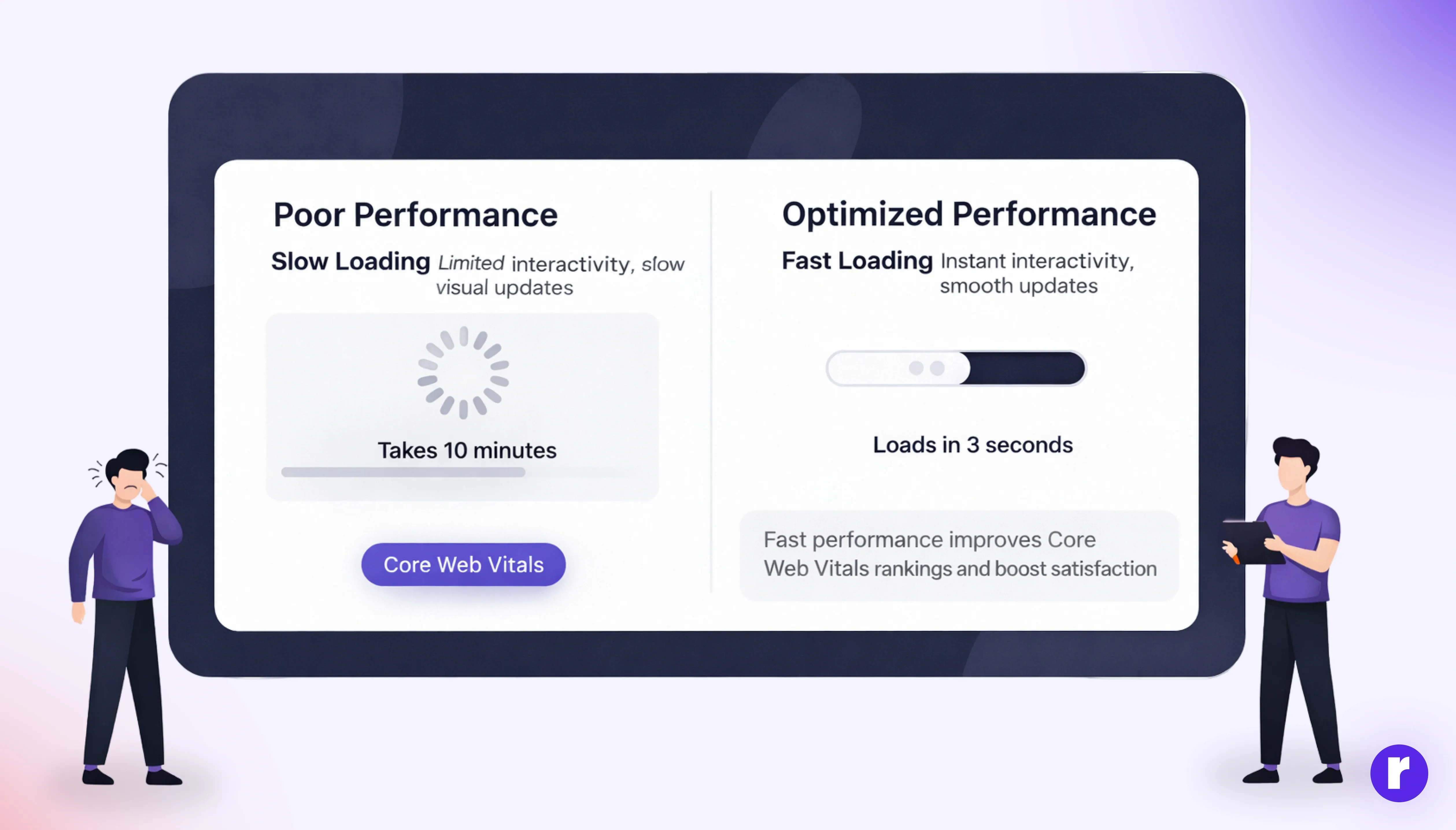
Performance has become a critical factor in frontend development. Users expect pages to load almost instantly, and search engines prioritize fast, well-optimized websites. Metrics like Core Web Vitals—loading performance, interactivity, and visual stability—directly influence search rankings and user satisfaction.
To meet these requirements, frontend developers use advanced techniques such as code splitting, lazy loading, image optimization, and caching strategies. Modern frameworks provide built-in tools to improve performance, but developers must still understand how and when to use them effectively.
This constant push for better performance forces frontend technologies to evolve quickly, introducing new standards, APIs, and optimization techniques that redefine how web applications are built.
Improved Developer Tools and Productivity
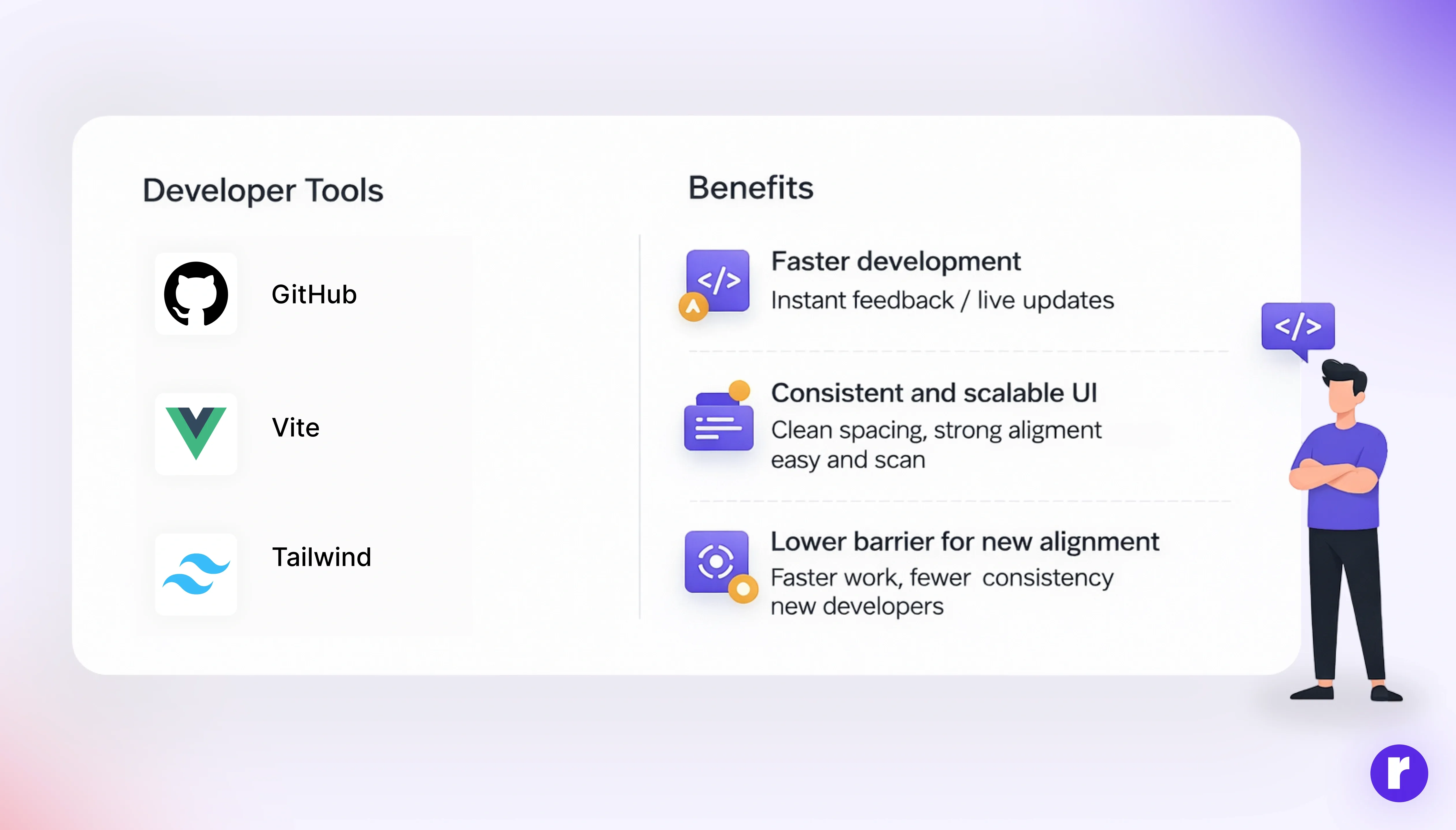
The evolution of frontend development is also fueled by significant improvements in developer tools. Modern build tools, bundlers, and package managers have streamlined the development workflow like never before.
Features such as hot module replacement, live previews, automated linting, and testing tools allow developers to catch errors early and iterate faster. CSS frameworks like Tailwind CSS enable rapid UI development with consistent design systems, reducing the need for writing custom styles from scratch.
These tools not only speed up development but also lower the barrier to entry for new developers. As productivity increases, experimentation and innovation become easier, further accelerating the evolution of frontend development.
Expanding Role of Frontend Developers in Full-Stack Applications
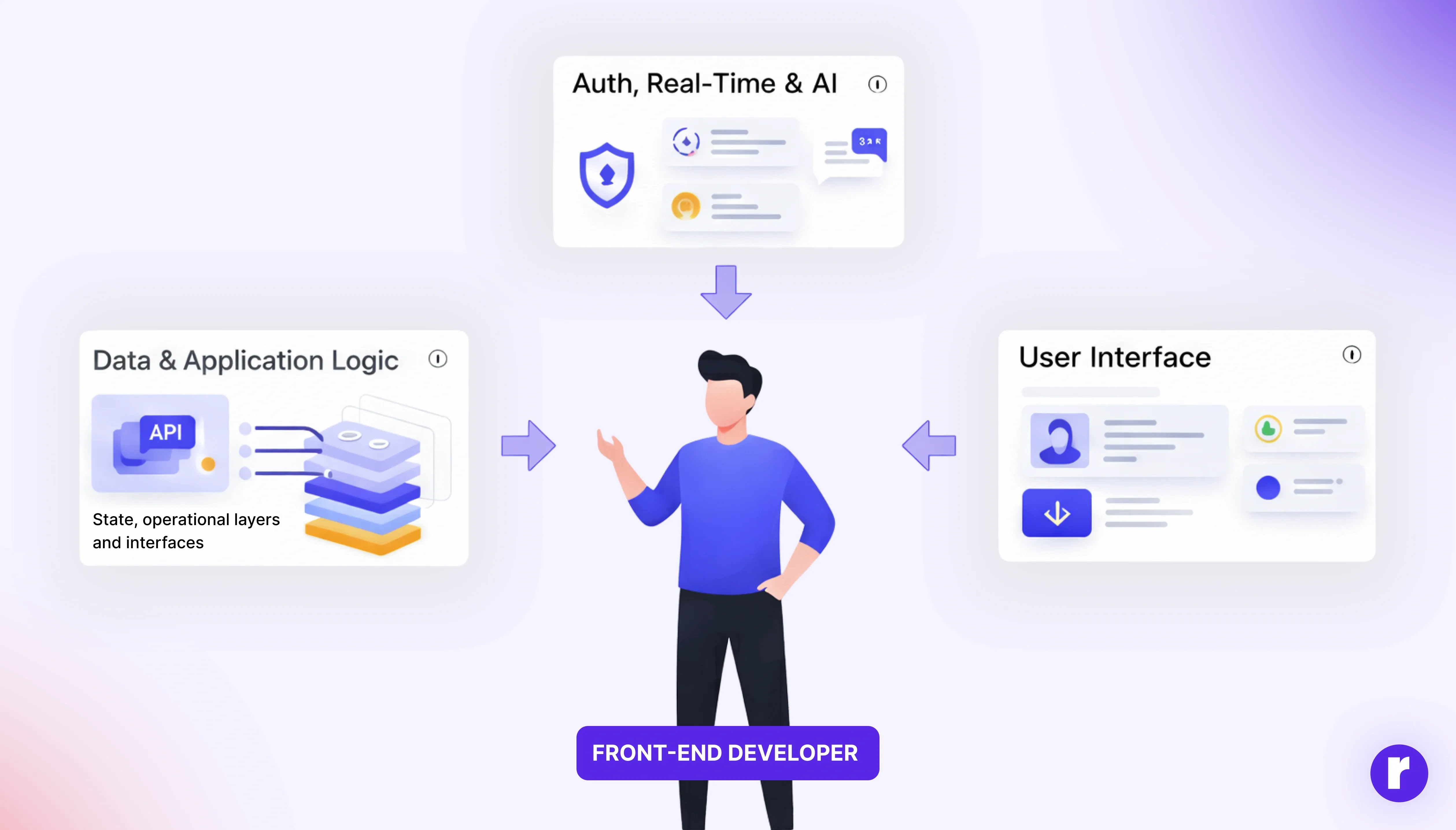
Frontend development is no longer limited to building visual interfaces. Modern frontend developers often handle data fetching, state management, authentication flows, and real-time updates. They work closely with APIs, databases, and cloud services to deliver complete user experiences..
With the rise of full-stack frameworks and backend-as-a-service platforms, frontend developers can now build entire applications with minimal backend setup. Additionally, AI-driven features such as chat interfaces, personalization, and recommendation systems are increasingly implemented on the frontend..
This expanded responsibility pushes frontend developers to learn new concepts and tools, making the field more dynamic and fast-evolving than ever before.
Conclusion
Frontend development is evolving faster than ever because it sits at the heart of modern digital experiences. Rising user expectations, mobile-first design, performance demands, powerful frameworks, and improved developer tools are driving this rapid transformation. As frontend developers take on broader responsibilities and work closely with backend and AI technologies, the pace of innovation continues to accelerate, making continuous learning and adaptation essential for staying relevant. Ultimately, the future of frontend development is not just about building interfaces, but about delivering seamless, high-performance experiences that connect users with technology in meaningful ways.