Vite 8 vs Vite 7: The Upgrade That Could Speed Up Your Workflow

Written by
Tarun Malik
Front End Developer

Keshav Saini
Front End Developer

Table of contents
Build with Radial Code
Share this


Frontend development is evolving fast, and Vite is leading the charge. With the release of Vite 8 (March 2026) , developers are asking:
Is it worth upgrading from Vite 7, or should you stick with what works?
This guide covers performance, features, breaking changes, and real-world impact—so you can make an informed decision.
What is Vite?
Before diving into the comparison, Here's a quick recap.
Vite is a modern frontend build tool created by Evan You. It provides:
- A lightning-fast dev server
- Instant HMR (Hot Module Replacement)
- Optimized production builds powered by Rollup
It's a popular choice for React, Vue.js, and Svelte projects. Learn what’s changed in Vite 8, how it impacts your workflow, and whether you should upgrade from Vite 7 today.
What's New in Vite 8?
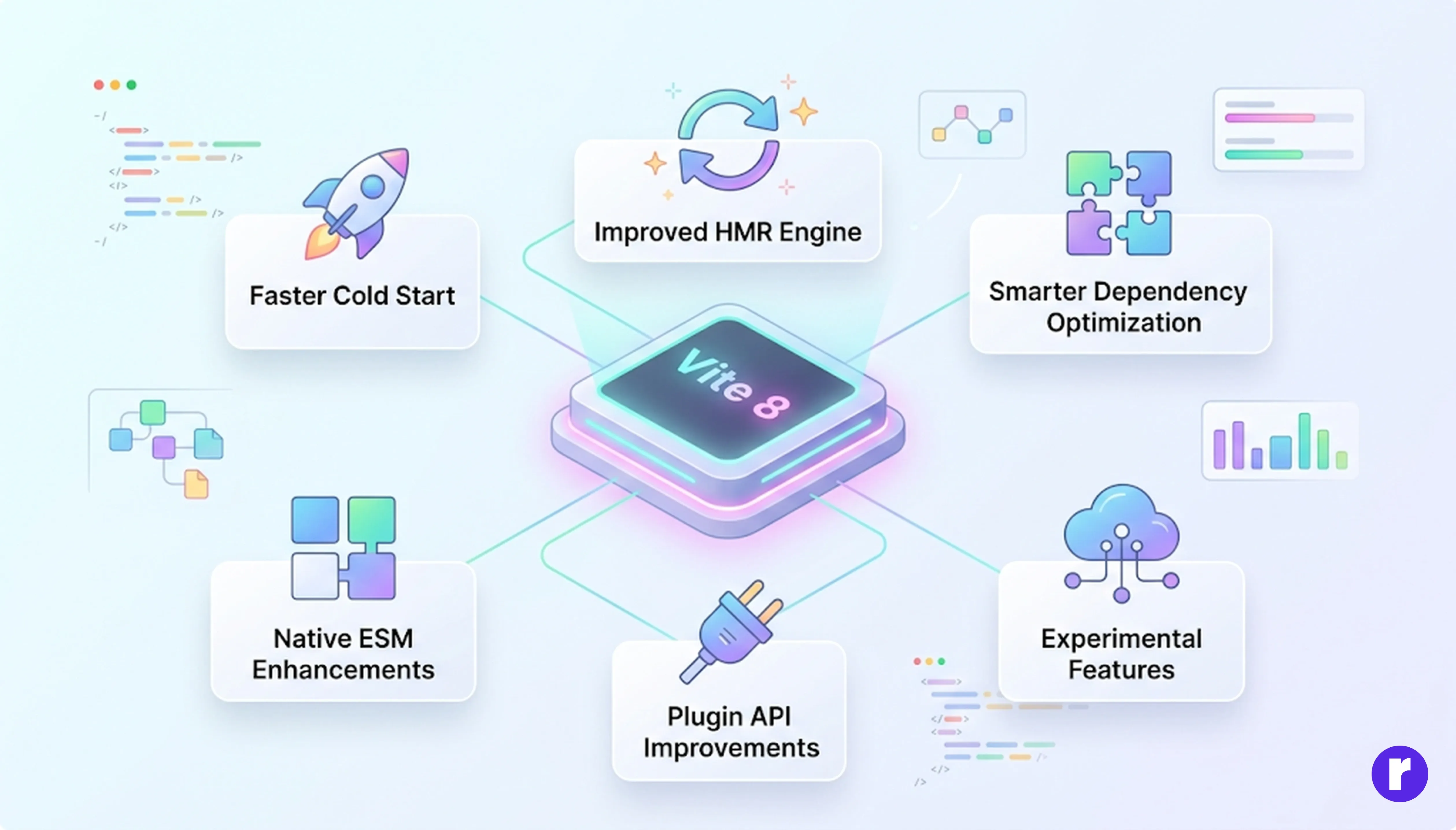
Vite 8 isn't just a version bump—it brings major architectural improvements.
- Faster Cold Start (Again):- Vite 8 reduces startup time through:
- Smarter dependency pre-bundling
- Improved caching strategies
- Reduced unnecessary module scanning
- Improved HMR Engine:- Hot Module Replacement is now:
- More stable
- Faster across large component trees
- Less prone to full-reload fallbacks
- Smarter Dependency Optimization:- Vite 8 uses better heuristics to:
- Detect dependencies more accurately
- Avoid redundant builds
- Handle monorepos more effectively
- Native ESM Enhancements:- Vite 8 leans further into native ESM with:
- Better browser compatibility handling
- A cleaner module graph
- Reduced reliance on polyfills
- Plugin API Improvements:- For plugin developers, Vite 8 offers:
- Cleaner hooks
- Better lifecycle control
- Improved TypeScript support
- Experimental Features:- New cutting-edge features include:
- Partial hydration optimizations
- Advanced SSR streaming improvements
- A future-ready architecture for edge runtimes
Result: Large projects start 30–50% faster than with Vite 7. Continue your learning journey at Radial code
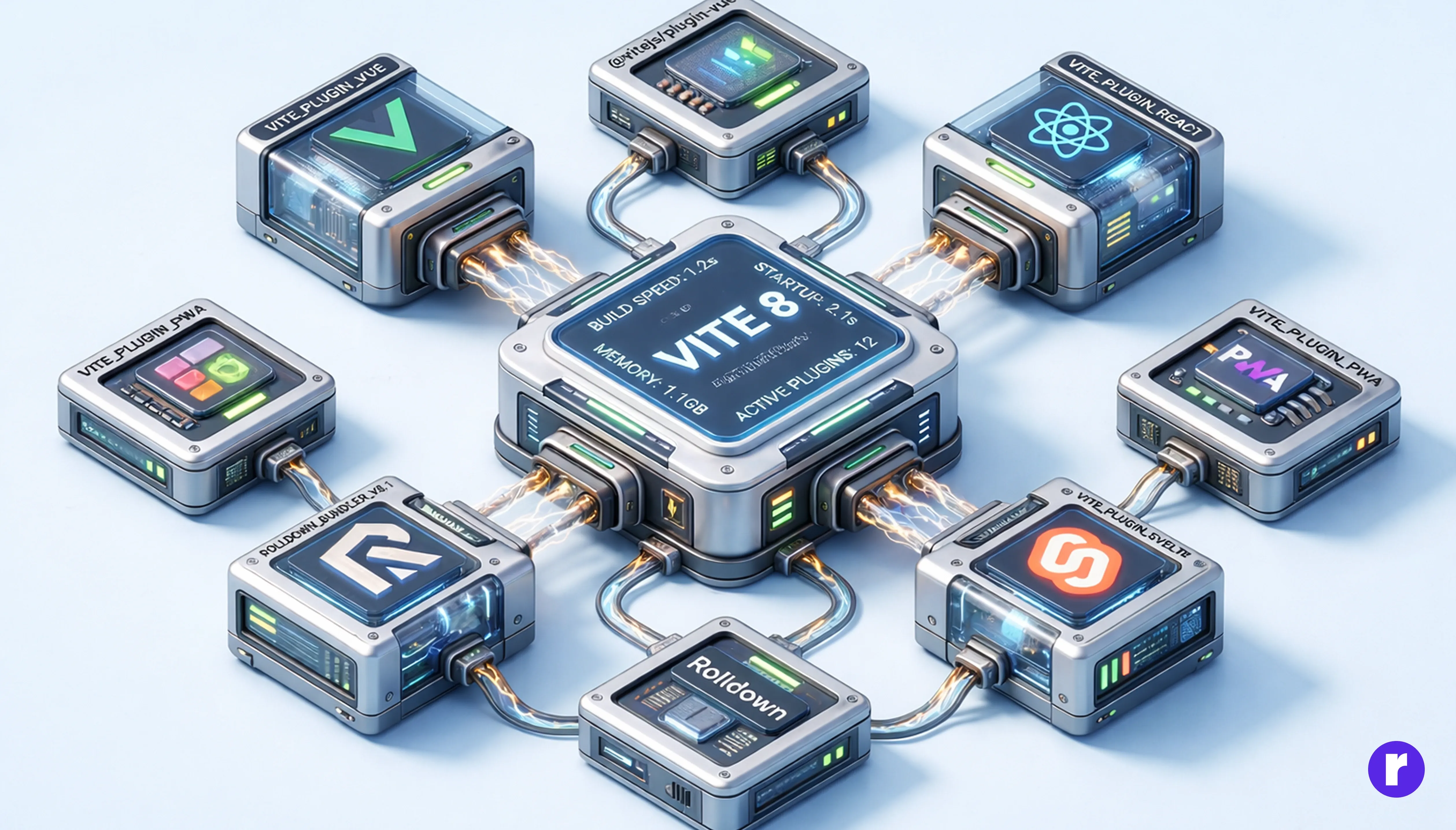
Vite 8 vs. Vite 7: Key Differences
|
Feature |
Vite 7 |
Vite 8 |
|---|---|---|
|
Startup Speed |
Fast |
Much Faster |
|
HMR |
Good |
More Stable & Faster |
|
Dependency Optimization |
Basic |
Smarter |
|
Plugin API |
Stable |
Enhanced |
ESM Support |
Strong |
Even Better |
|
SSR |
Good |
Improved |
|
Monorepo Support |
Limited |
Much Better |
Breaking Changes in Vite 8
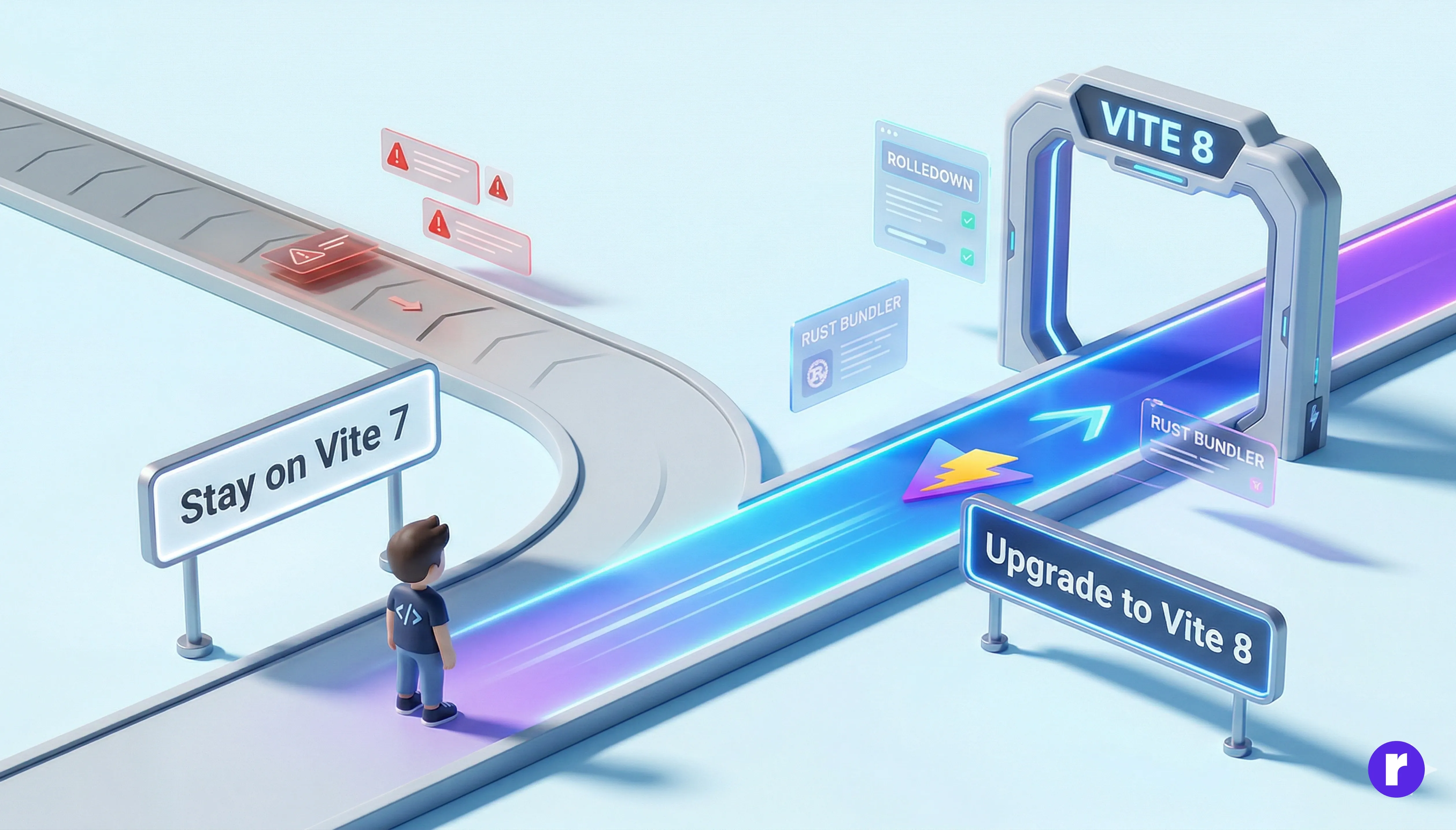
Upgrading isn't always seamless. Here's what to watch out for:
- Node.js Version Requirement:- Vite 8 requires
- Node.js 18 or newer
- Plugin Compatibility:- Some older Vite 7 plugins
- May break upon upgrade
- May require updates before use
- Config Changes:- Certain configuration options
- Have been deprecated
- Now ship with new defaults
Should You Upgrade?
Upgrade if:
- You're starting a new project
- You want better performance
- You're working in a large codebase or monorepo
- You need the latest SSR improvements
Wait if:
- Your project is stable and production-critical
- You rely on older plugins
- You don't yet need the new features
Real-World Performance Impact
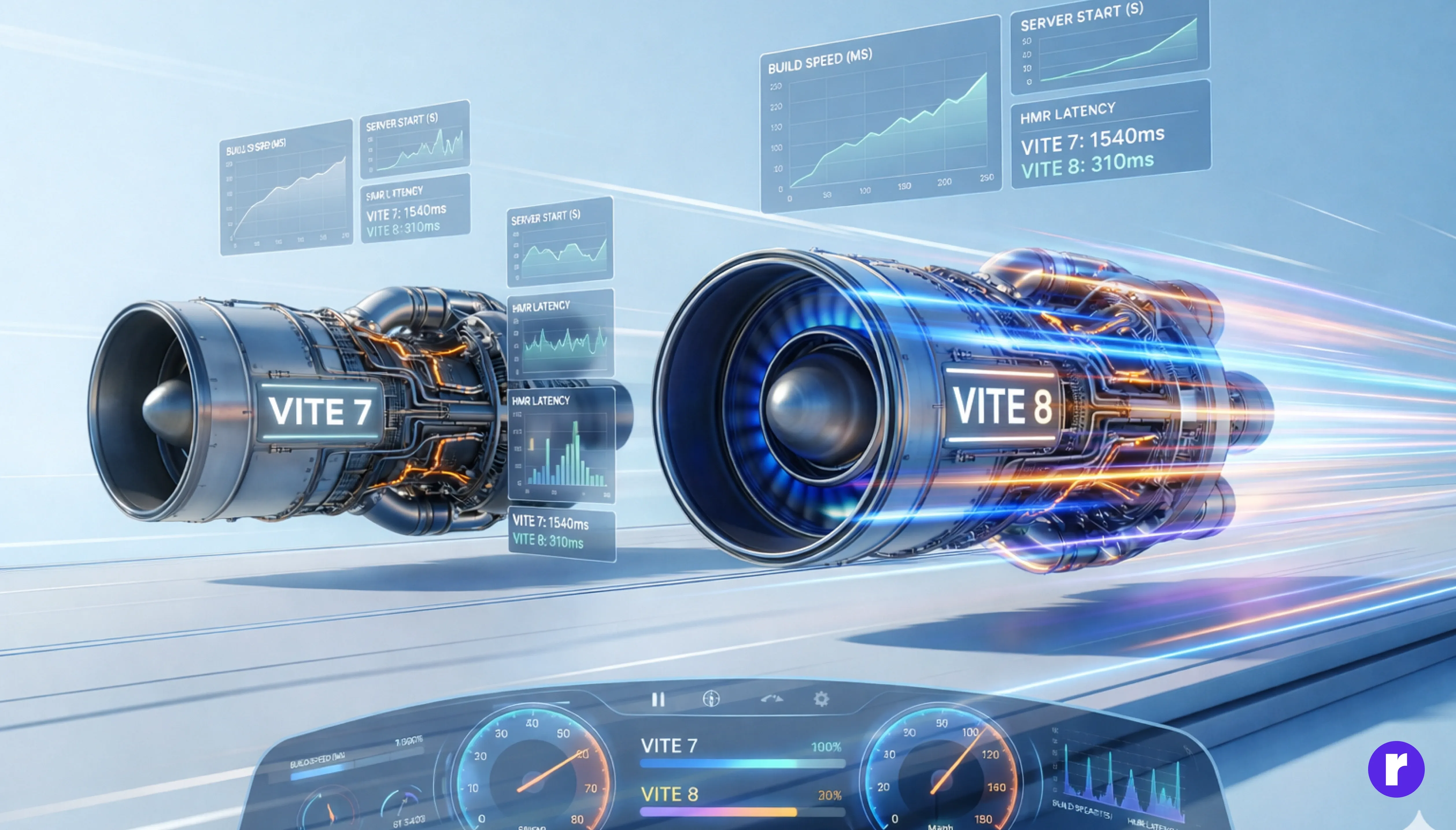
In practice, Vite 8 delivers:
- ↓ Significantly reduced dev server start times
- ↓ Lower HMR update latency
- ↑ More efficient production builds
For large teams, this translates to hours saved every week.
Migration Guide (Quick Steps)
- Update Vite:
npm install vite@latest - Check your Node version:
node -v - Update plugins:
npm update - Fix any config warnings
- Test thoroughly
Conclusion
Upgrading from Vite 7 to Vite 8 isn't just about getting the latest version—it's about unlocking better performance, scalability, and a more future-ready development experience. Vite 8 raises the bar with faster startup times, smarter dependency handling, and a more refined developer workflow. For teams working on large-scale applications, modern frameworks, or performance-critical projects, the upgrade can deliver immediate and noticeable benefits. That said, upgrading should remain a strategic decision—not an impulsive one. If your Vite 7 setup is stable, heavily reliant on older plugins, or part of a production system with tight deadlines, it's perfectly reasonable to hold off until your ecosystem is fully compatible.