The Power of Onboarding: How Smart UX Turns New Users Into Loyal Fans

Written by

Chandani Sahani
UI/UX Designer
Table of contents
Build with Radial Code
Share this


First impressions matter more than we often realize—especially in the digital world. When a user downloads an app, signs up for a website, or opens a product for the very first time, they make a decision within seconds: Should I stay or should I leave?
This moment is where onboarding plays its most powerful role.
Onboarding is not just a welcome screen or a quick tutorial. It is the bridge between curiosity and commitment. When combined with smart User Experience (UX) design, onboarding has the power to transform confused first-time users into confident, loyal fans who keep coming back. As product designer Jared Spool once said:
“Good design, when it’s done well, becomes invisible. It’s only when it’s done poorly that we notice it.”
This blog explores why onboarding matters, how smart UX elevates it, and how great onboarding builds long-term loyalty.
What is Onboarding, Really?
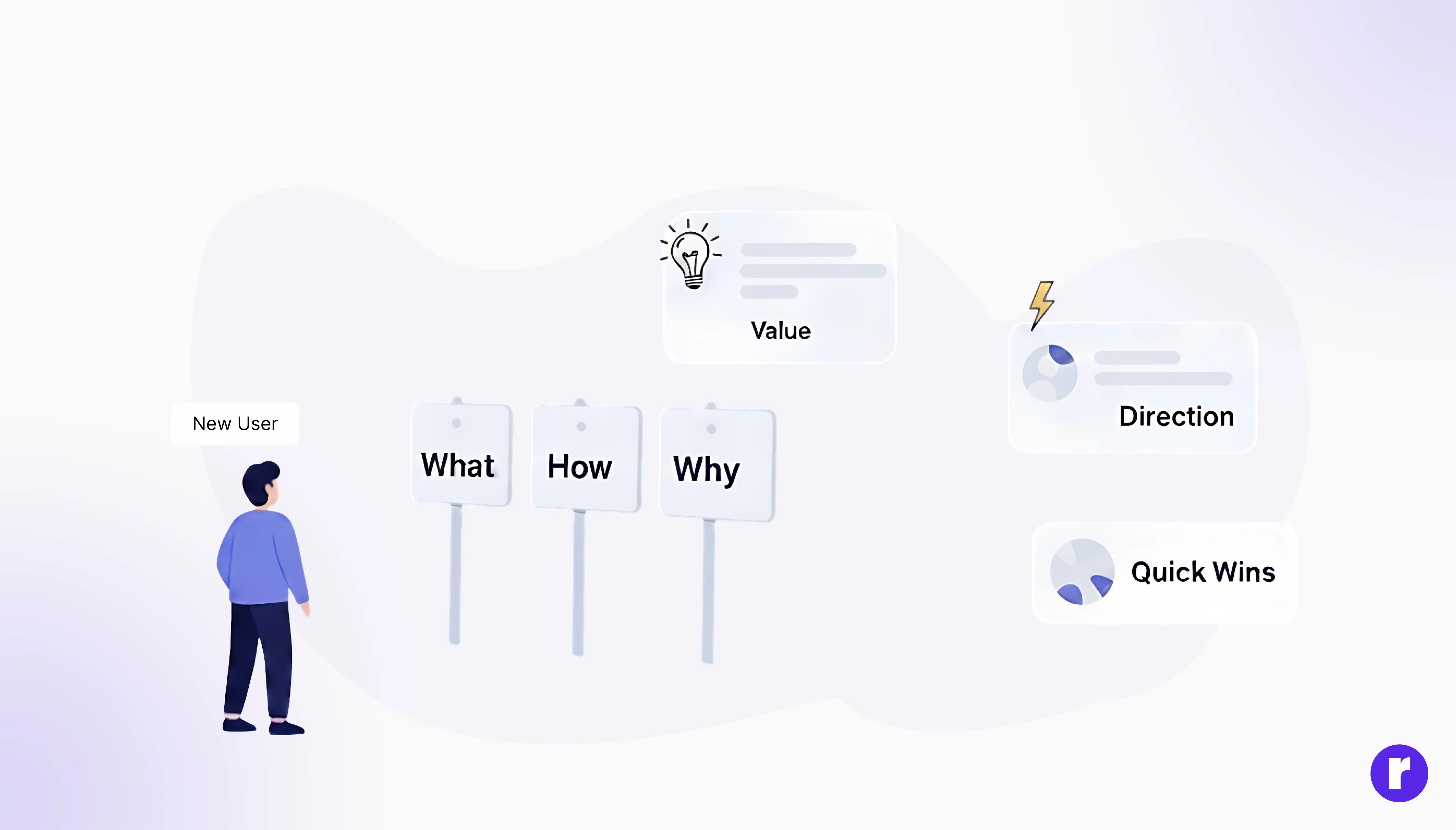
Onboarding is the process of guiding users step-by-step so they quickly understand a product and start getting real value from it. It turns first-time users into confident, active users by removing confusion early.
- What your product does
- How it helps them
- How to get value from it quickly
Many people think onboarding means showing users everything at once. In reality, great onboarding does the opposite—it focuses only on what users need right now.
A smart onboarding experience answers three critical questions:
- Where I'am ?
- What can I do here?
- Why should I care?
If these questions are answered clearly and quickly, users feel confident. If not, they leave—often forever. Read More
Why Onboarding is a Make-or-Break Moment
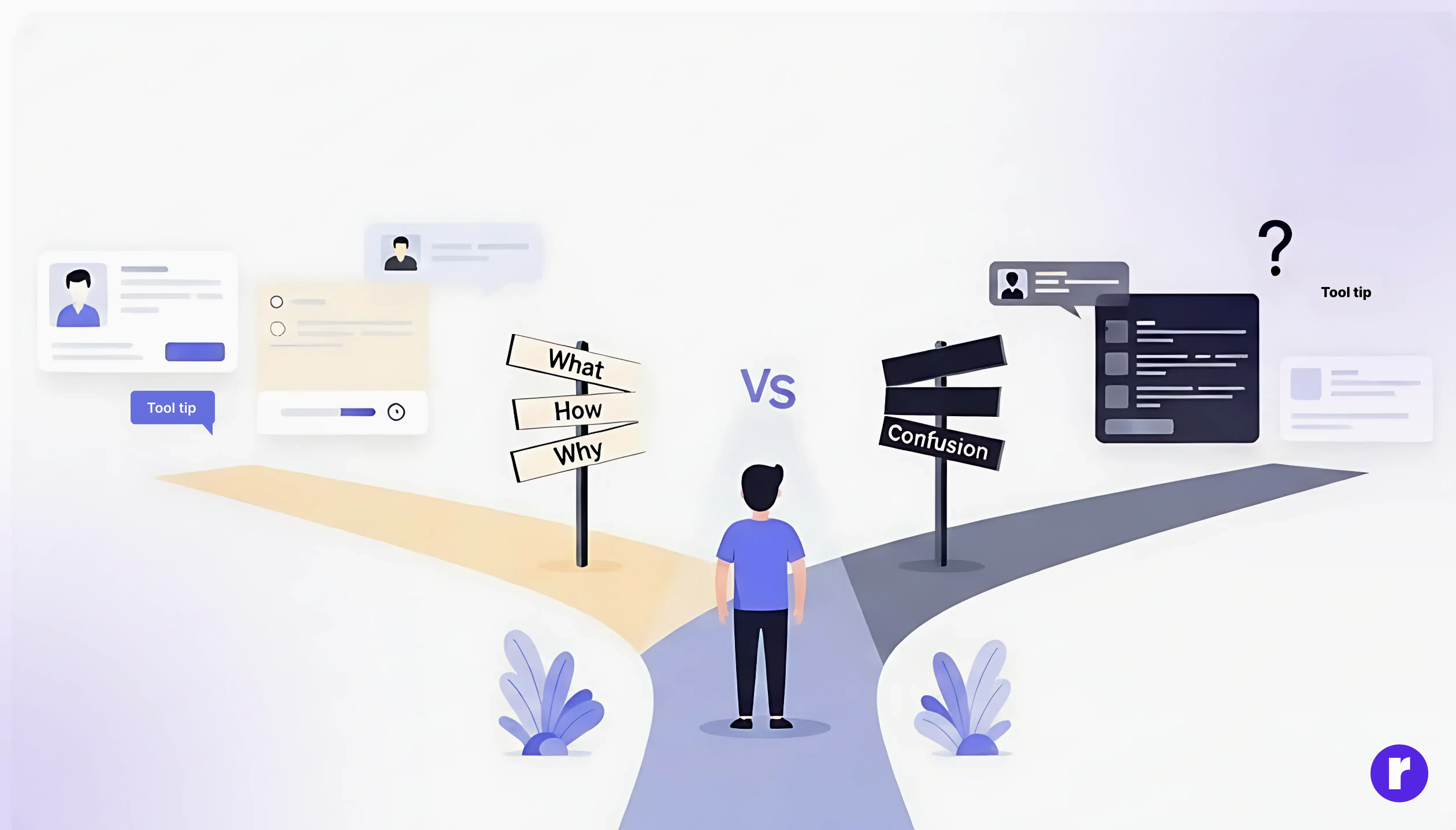
Studies consistently show that a large percentage of users abandon apps or platforms within the first few days. The reason is rarely that the product is bad. More often, it’s because the user feels overwhelmed, confused, or lost.
Imagine walking into a new city without maps, signs, or directions. Even if the city is beautiful, you would feel frustrated. Digital products are no different.
Great onboarding:
- Reduces anxiety
- Builds trust
- Creates clarity
- Encourages exploration
Bad onboarding creates friction—and friction kills engagement.
The Role of Smart UX in Onboarding
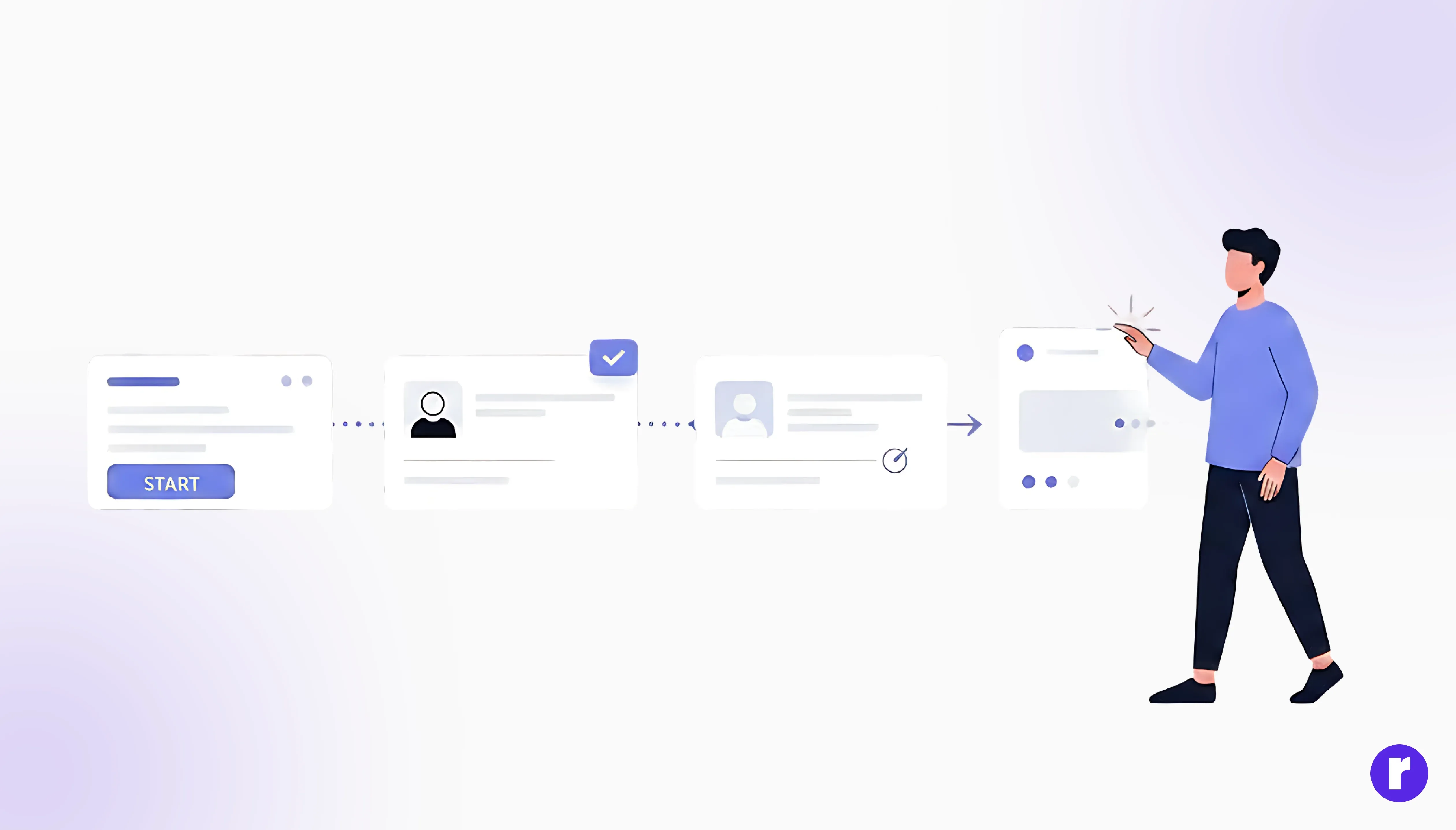
I Smart UX is not about fancy animations or complex layouts. It is about empathy—understanding what users feel, think, and need at each step of their journey.
Smart UX-driven onboarding focuses on:
- Simplicity over complexity
- Guidance over instruction
- Experience over explanation
Instead of telling users what to do, smart UX shows them.
As Steve Jobs famously said:
“Design is not just what it looks like and feels like. Design is how it works.”
When onboarding works smoothly, users don’t feel like they’re learning—they feel like they’re progressing.
Turning Confusion Into Confidence
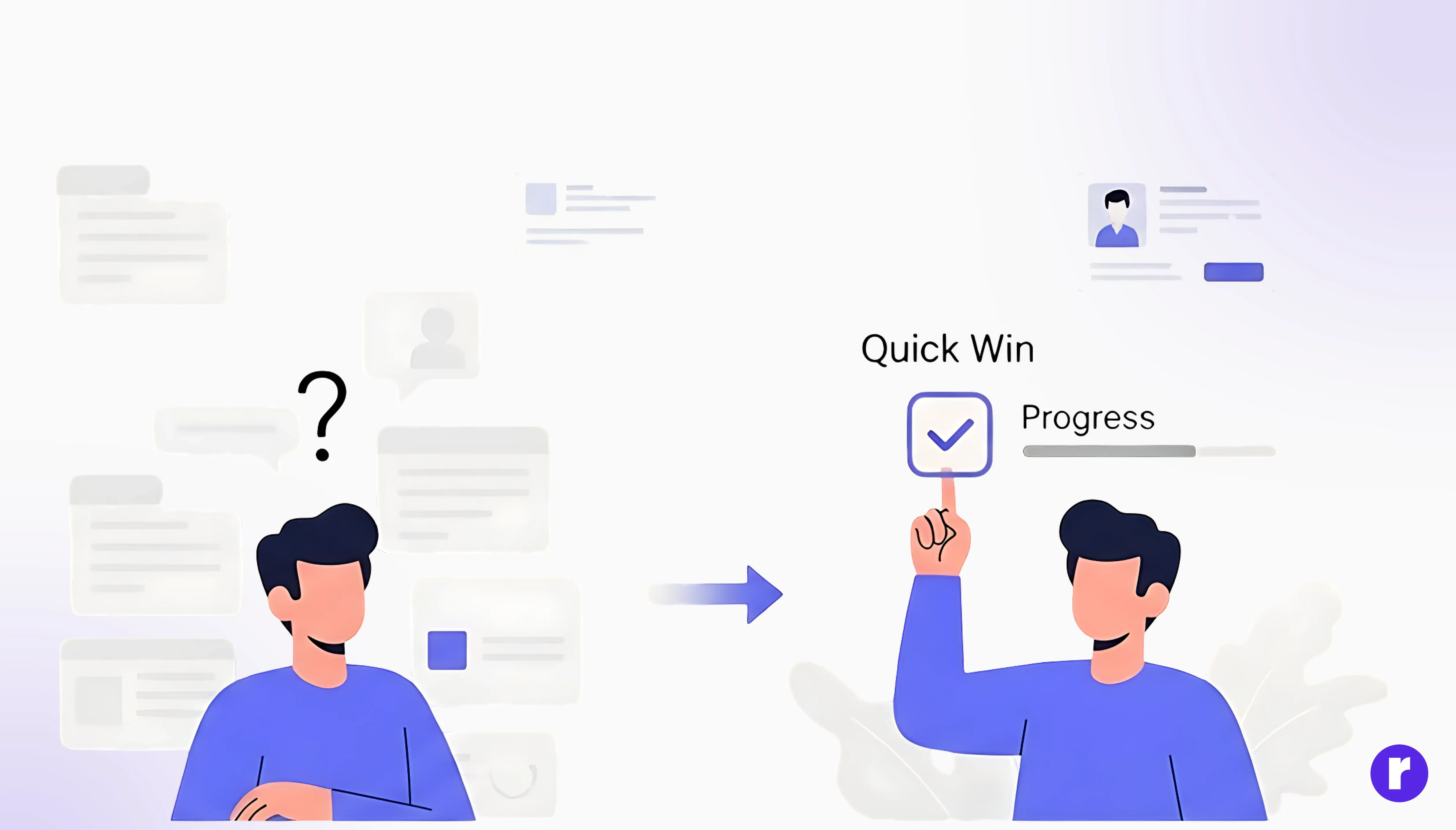
The biggest enemy of onboarding is confusion. New users don’t want to read long manuals or watch 10-minute tutorials. They want to achieve something meaningful—fast.
Smart onboarding UX helps users experience a “quick win.”
For example:
- A task management app helps users create their first task immediately
- A design tool guides users to build their first project
- A fitness app helps users complete their first workout
- These small wins build confidence.
- Confidence leads to satisfaction.
- Satisfaction leads to trust.
- Trust leads to loyalty.
Personalization: Making Users Feel Seen
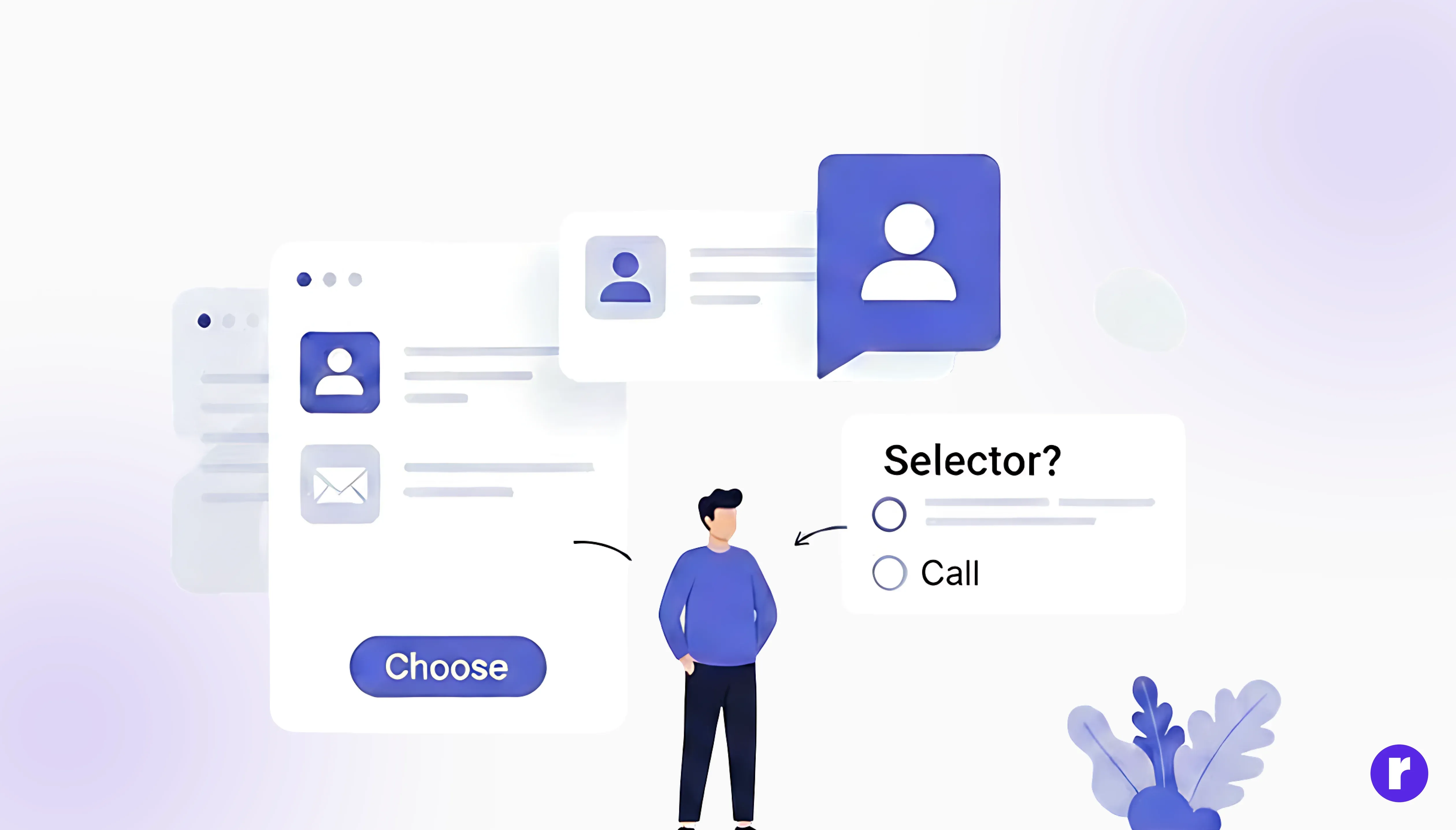
One-size-fits-all onboarding no longer works. Users expect personalized experiences, even during onboarding.
Smart UX personalizes onboarding by:
- Asking simple questions upfront
- Adapting content based on user goals
- Showing relevant features instead of everything
For example, a marketing platform might ask:
“Are you here to grow your email list or manage social media?”
Based on the answer, the onboarding journey changes. This makes users feel understood—and people stay where they feel understood.
Reducing Cognitive Load
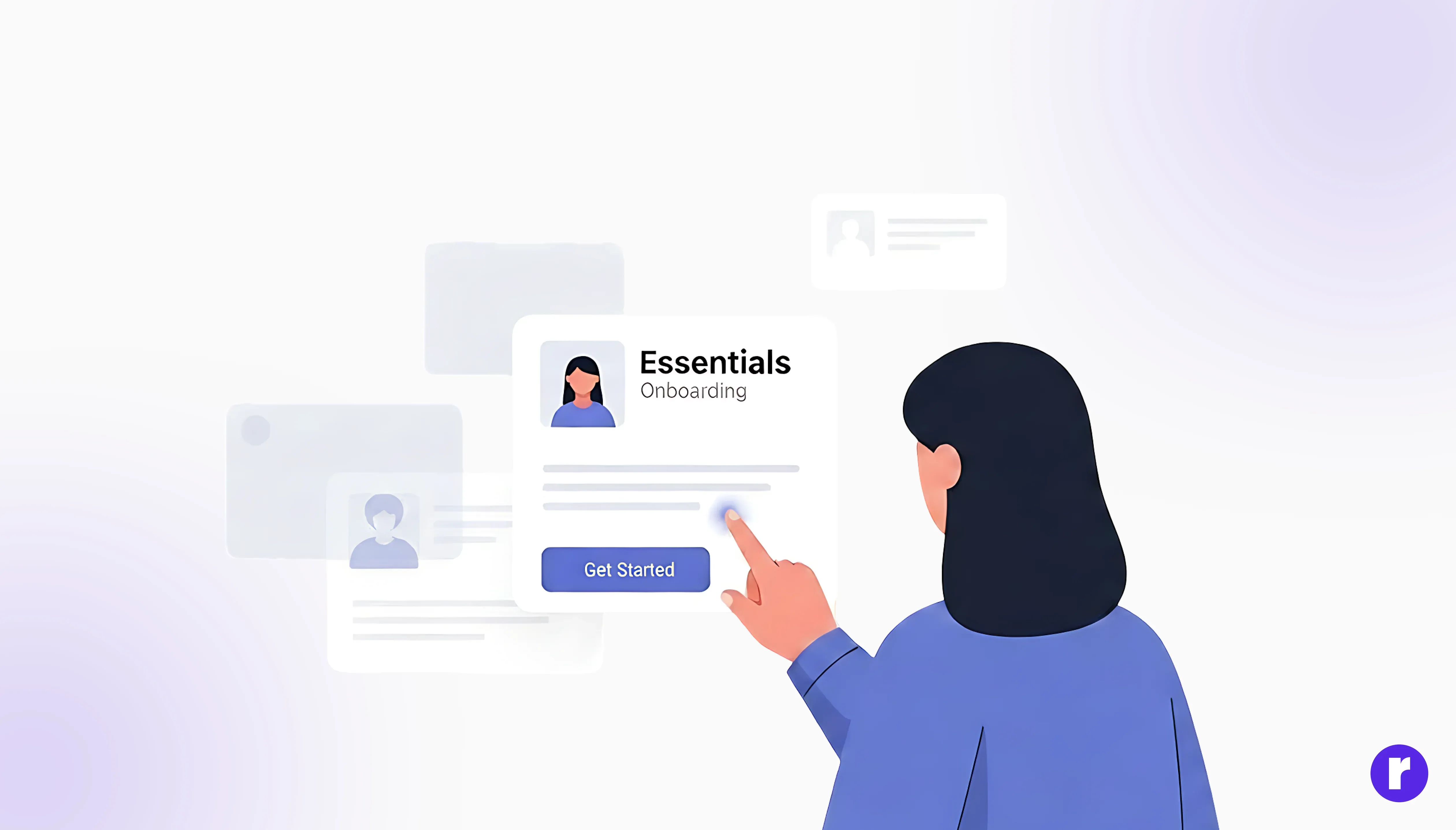
Cognitive load refers to how much mental effort a user needs to use a product. Too much information at once leads to frustration.
Smart onboarding reduces cognitive load by:
- Breaking steps into small actions
- Using visuals instead of long text
- Introducing features gradually
Instead of overwhelming users with options, smart UX reveals features only when they are needed.
This approach respects the user’s time and attention—two of the most valuable digital currencies today.
Emotional Connection: The Secret Ingredient

Great onboarding doesn’t just teach—it connects emotionally.
Microcopy, tone, animations, and feedback messages all play a role in how users feel. Friendly language, encouraging messages, and subtle humor can turn a cold interface into a warm experience.
For example:
- Great job! You’re all set 🎉
- Almost there—just one more step!
- These small touches humanize the product
As Maya Angelou wisely said:
“People will never forget how you made them feel.”
This is especially true in onboarding.
From Users to Loyal Fans
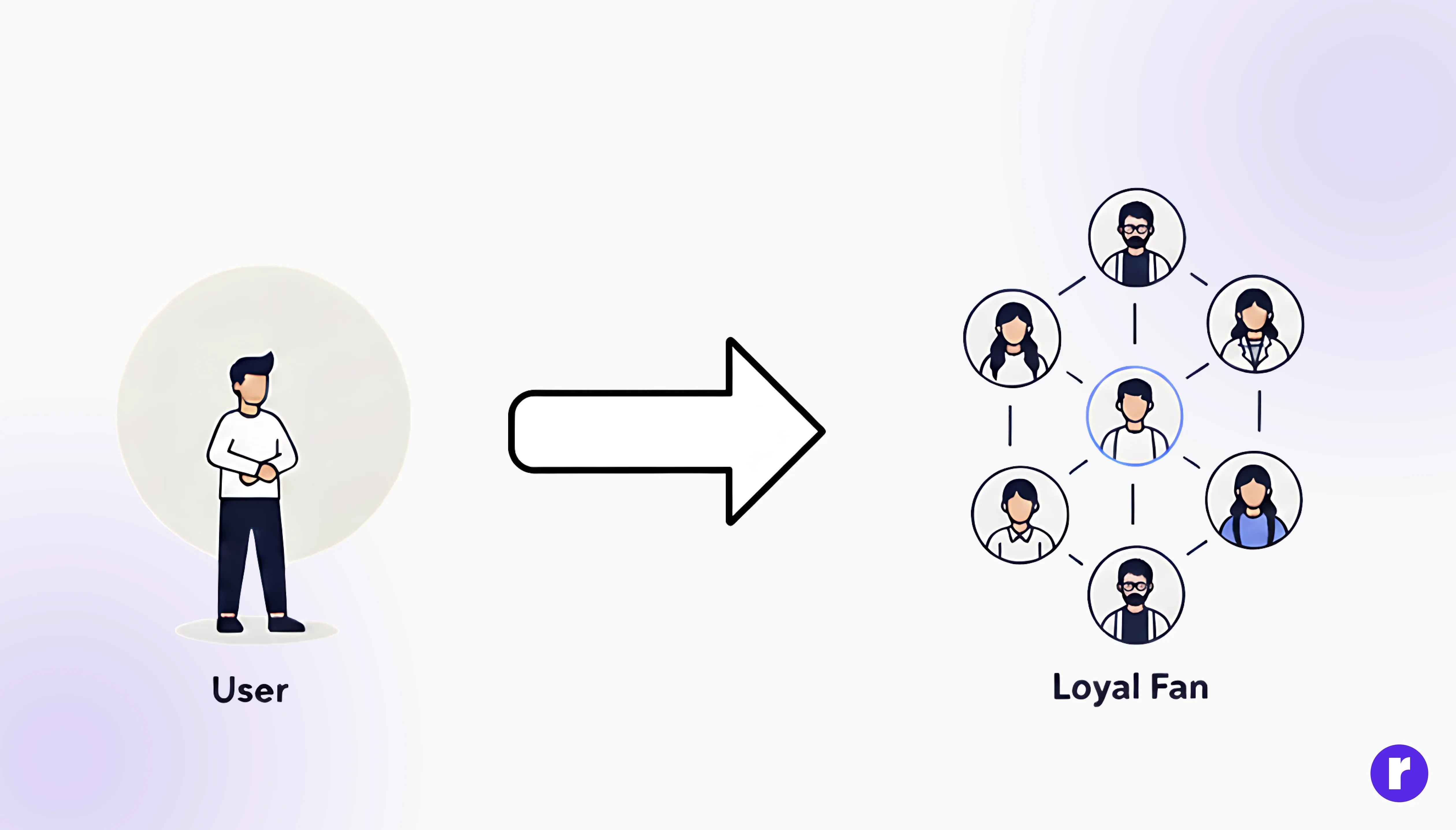
Loyalty is not built through discounts or notifications alone. It is built through experience.
When users:
- Feel guided instead of confused
- Feel supported instead of judged
- Feel valued instead of ignored
They don’t just use the product—they advocate for it.
Loyal users:
- Return frequently
- Explore advanced features
- Recommend the product to others
And it all starts with onboarding.
How Businesses Benefit from Good Onboarding
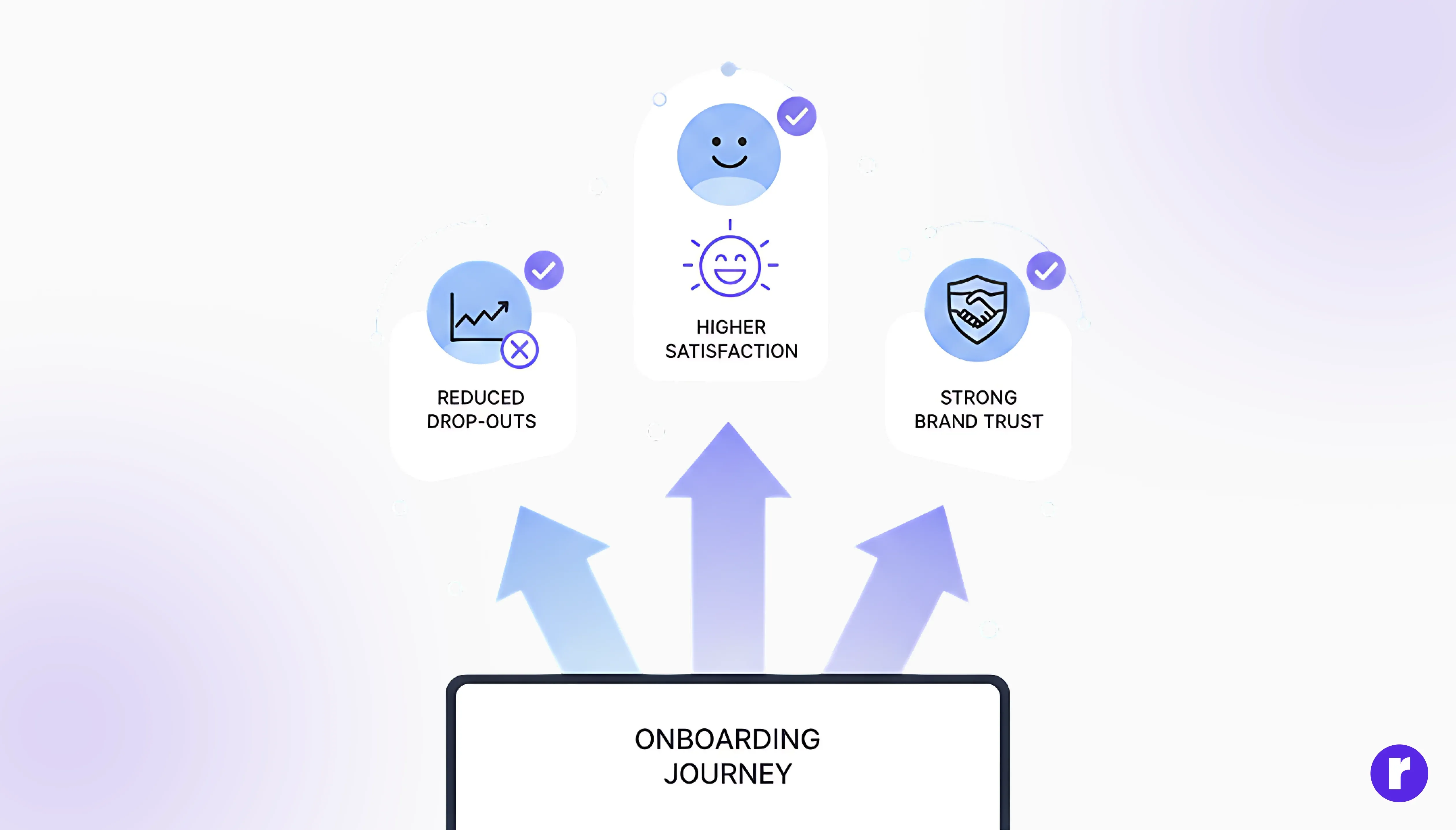
Good onboarding helps businesses:
- Reduce user drop-outs
- Increase engagement
- Improve customer satisfaction
- Build strong brand image
It also reduces customer support problems because users understand things clearly. Visit Here
Conclusion
Onboarding is not just a feature. It is an experience.
Smart UX makes onboarding:
- Easy
- Friendly
- Useful
When users feel supported from day one, they don’t just use your product—they trust it. And when users trust you, they become loyal fans.
Because at the end of the day, people don’t leave products they understand and enjoy.