The Psychology of Good Design: Understanding What Users Really Feel

Written by

Chandani Sahani
UI/UX Designer
Table of contents
Build with Radial Code
Share this


Design isn’t just about visual appeal. It’s about emotion, perception, and connection. The most effective designs don’t only look good—they make people feel good. They guide users effortlessly, build trust, and leave a lasting impression. Behind every great design lies psychology, the understanding of how humans think, feel, and behave.
When design aligns with human psychology, it becomes more than aesthetics; it becomes an experience. Let’s explore how the psychology of good design helps us understand what users really feel.
First Impressions and Emotional Triggers
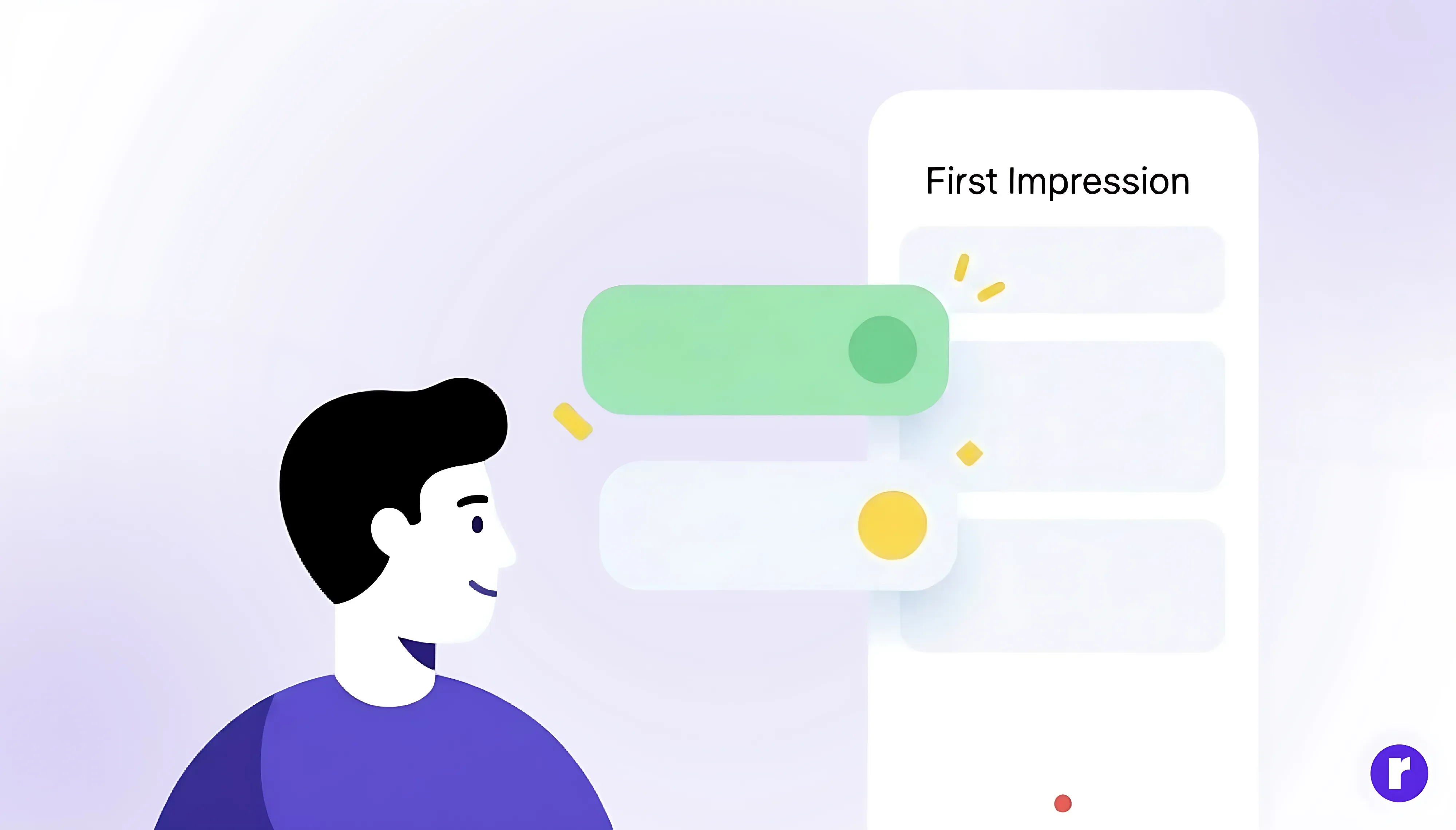
A user’s first impression forms in just 50 milliseconds. In that brief instant, color, shape, and layout silently speak to the brain. Good design uses these cues intentionally to trigger positive emotions.
- Colors: Blue builds trust and calmness, red sparks energy and urgency, green suggests growth, and yellow evokes optimism.
- Shapes: Rounded edges feel friendly, while sharp lines imply confidence and strength.
- White space: Breathing room conveys simplicity and focus.
When design elements harmonize emotionally, users feel comfortable and curious to explore further. That immediate connection defines how they perceive your brand.
Learn More: The Psychology of First Impressions in UI UX Design
Cognitive Ease: Why Simplicity Feels Right

Humans love simplicity because our brains seek efficiency. The easier something is to understand, the better it feels. Psychologists call this cognitive ease—the sense of comfort that comes when an experience feels effortless.
Design achieves this by:
- Using clear visual hierarchies that guide attention naturally.
- Applying familiar patterns so users don’t need to relearn interactions.
- Avoiding clutter and unnecessary detail.
When users instantly know where to look and what to do, they trust the design. That trust becomes emotional satisfaction—one of the strongest indicators of good user experience.
Trust Through Visual Credibility

Trust isn’t built only through words—it’s communicated visually. Studies from Stanford show that 75% of users judge credibility by design alone. Clean, consistent, and professional visuals signal reliability. Elements that inspire trust include:
- Readable typography that aligns with brand tone.
- Balanced color palettes that evoke stability.
- Authentic imagery rather than staged stock photos.
- Consistent behavior across all pages and elements.
When design feels polished and predictable, users subconsciously believe the brand is dependable. Trust turns casual visitors into loyal customers.
Pro Tip: Compare your design side by side with competitors. Ask users which one they “trust” more — you’ll see how instantly design influences perception.
Emotion and Engagement
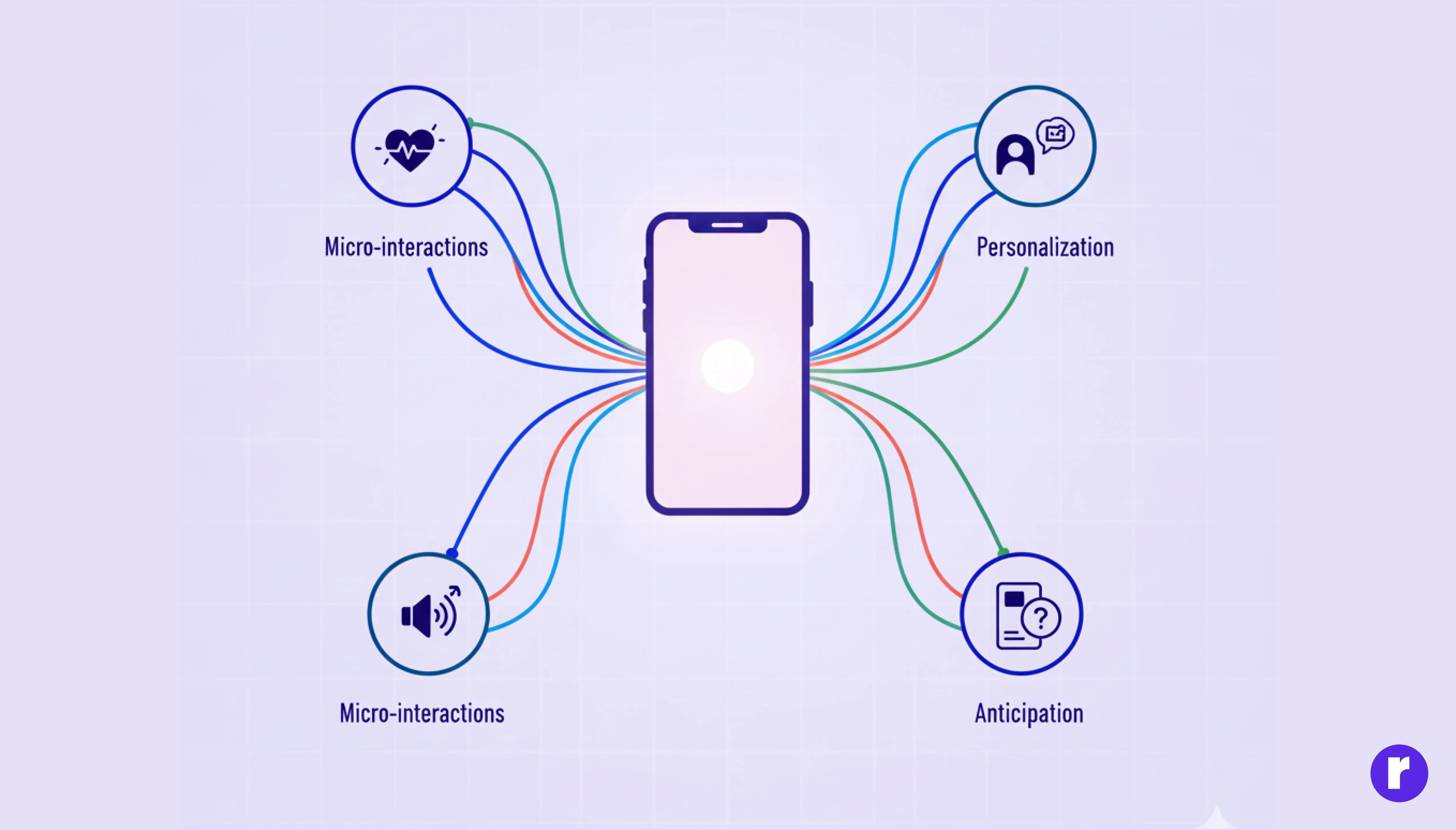
Emotion drives engagement. The more emotionally connected users feel, the more likely they are to interact and return. Designers use psychology to create subtle emotional responses.
- Micro-interactions: Small animations or sounds make every click satisfying.
- Personalization: Tailoring content makes users feel valued.
- Anticipation: Small moments of suspense—like revealing content gradually—keep users interested.
These details may seem minor, but they build emotional rhythm throughout an experience. A product that feels enjoyable, not mechanical, creates loyalty beyond logic.
The Peak-End Rule: Designing for Memory
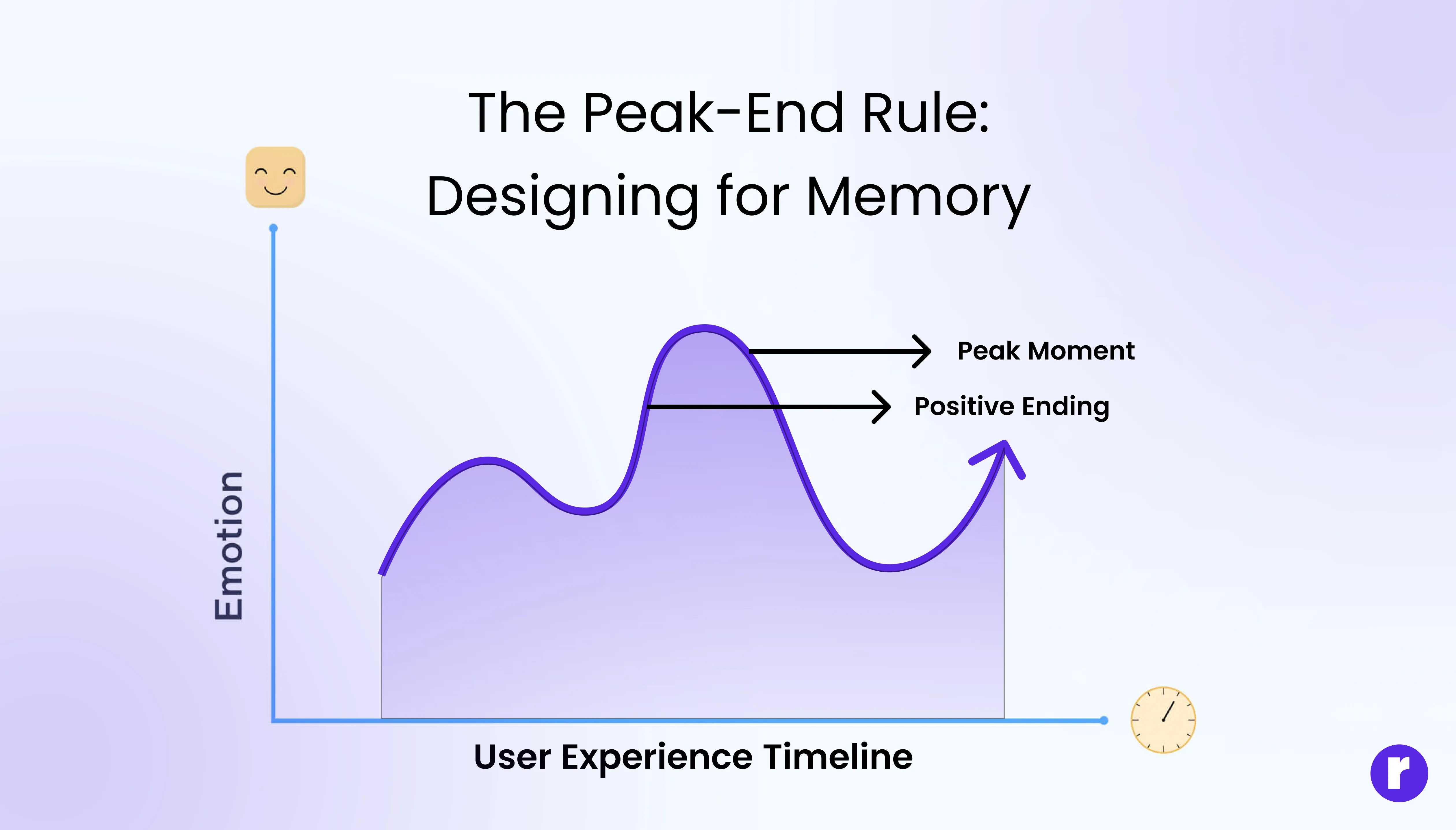
People remember experiences based on their peak moment and their ending a principle called the Peak-End Rule. Designers can use this insight to shape emotional memory.
- Make sure users experience a highlight moment like a delightful animation, a creative transition, or a rewarding completion message.
- End positively, with a friendly confirmation or thank-you screen.
Even if small frustrations occur, a strong ending can overwrite them. A great final impression ensures the overall memory feels positive and complete.
The Social Mind: Belonging Through Design

Humans crave connection and validation. Good design taps into this social psychology by fostering belonging.
- Social proof: Testimonials and ratings reassure users they’re making the right choice.
- Community features: Reviews, comments, and shares turn use into participation.
- Inclusive design: Accessibility ensures everyone feels seen and respected.
When design acknowledges human connection, it strengthens emotional ties. Users stop being just customers; they become part of a shared story.
Empathy and Human-Centered Design
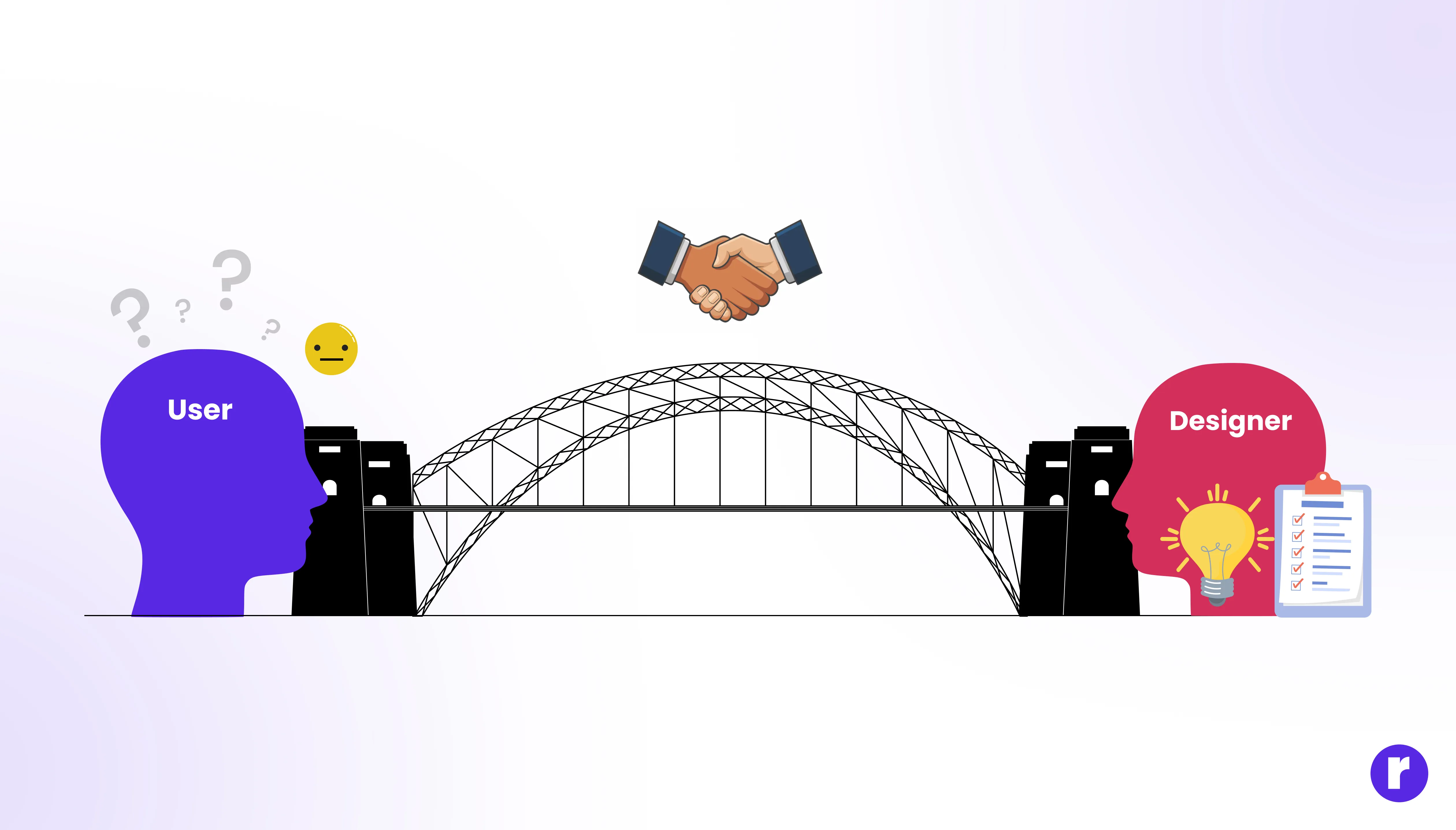
Empathy is the foundation of psychological design. Understanding what users need—and how they feel—creates experiences that resonate deeply.
Empathetic designers ask:
- What emotion should the user feel right now?
- Does this layout comfort or confuse?
- Are we solving real human problems or just decorating?
By thinking like users, not just for them, designers build authenticity. Every choice becomes meaningful, not mechanical.
Balancing Beauty and Behavior
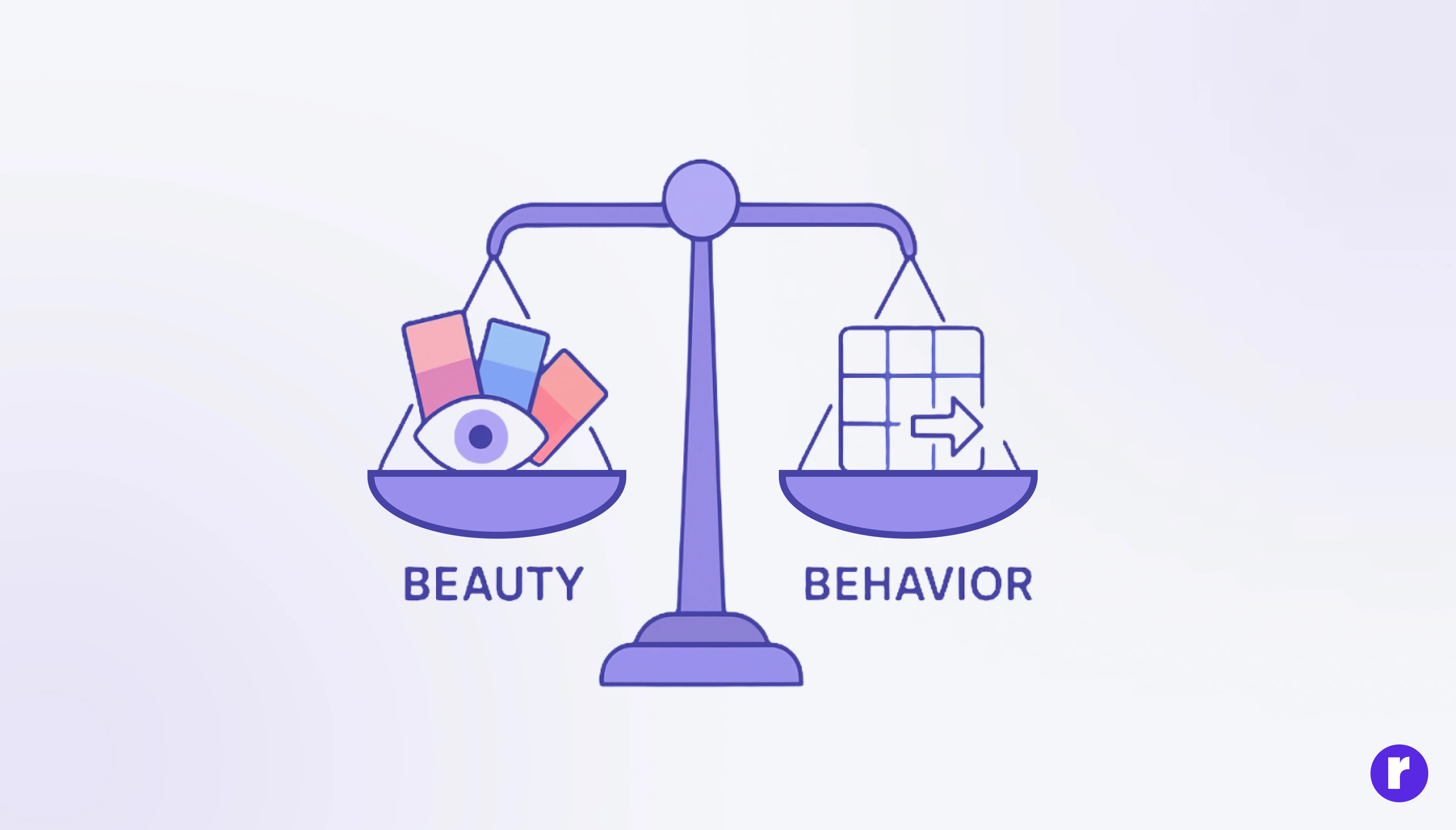
Aesthetics attract; functionality retains. The harmony of both creates great design. Beauty alone cannot fix confusion, and pure efficiency feels cold without emotion.
Designers who blend both focus on:
- Purposeful visuals: Beauty that supports usability.
- Emotion-driven structure: layouts that guide naturally.
- Subtle detail: Grids, typography, and rhythm that create calm.
When beauty supports behavior, users feel that everything “just fits.” That intuitive satisfaction is design’s psychological sweet spot.
Why Good Design Feels Natural
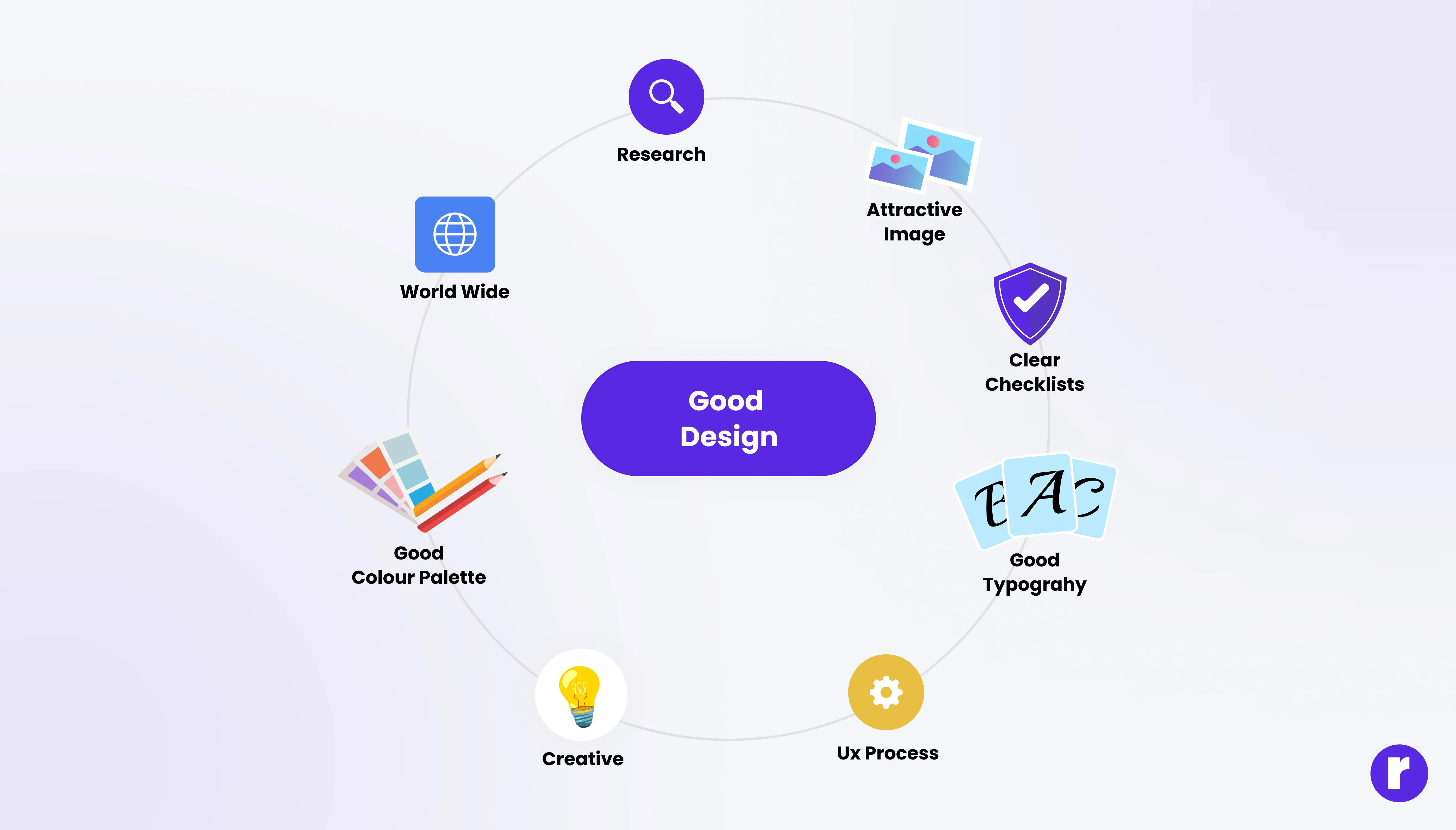
When a design feels “right,” it’s because it speaks fluently to the subconscious mind. Smooth flow, balanced spacing, and emotional tone signal safety and ease. Users may not analyze these details, but they sense harmony.
Good design eliminates doubt, builds trust, and quietly says, you’re in the right place. It turns routine tasks into enjoyable experiences. That emotional comfort keeps people coming back—not because they must, but because they want to.
Conclusion: Designing for Emotion and Understanding
Good design is rooted in psychology. It understands that every decision—from color to spacing—shapes how people feel. When an interface is intuitive, users trust it. When it’s empathetic, they connect with it. When it’s emotionally engaging, they remember it. The psychology of good design reminds us that visuals alone aren’t enough. True design success comes from creating experiences that feel human—where emotion meets function, and interaction feels effortless. People may forget what your design looked like, but they’ll never forget how it made them feel. That’s the essence of great design: the invisible art of shaping emotion through clarity, empathy, and beauty.