Logo vs Brand: Understanding the real difference

Written by

Sumit Verma
UI/UX Designer
Table of contents
Build with Radial Code
Share this


People love throwing around “logo” and “brand” like they’re twins. They’re not. Not even close. One is what you see. The other is what you remember. One sits on your website. The other lives in your audience’s head. Mixing them up isn’t just a small mistake - it messes up your entire strategy. To understand the difference, let's first look at what each one actually does.
Learn more about logo design, branding, and visual identity at Radial code
The Logo: A mark, not meaning
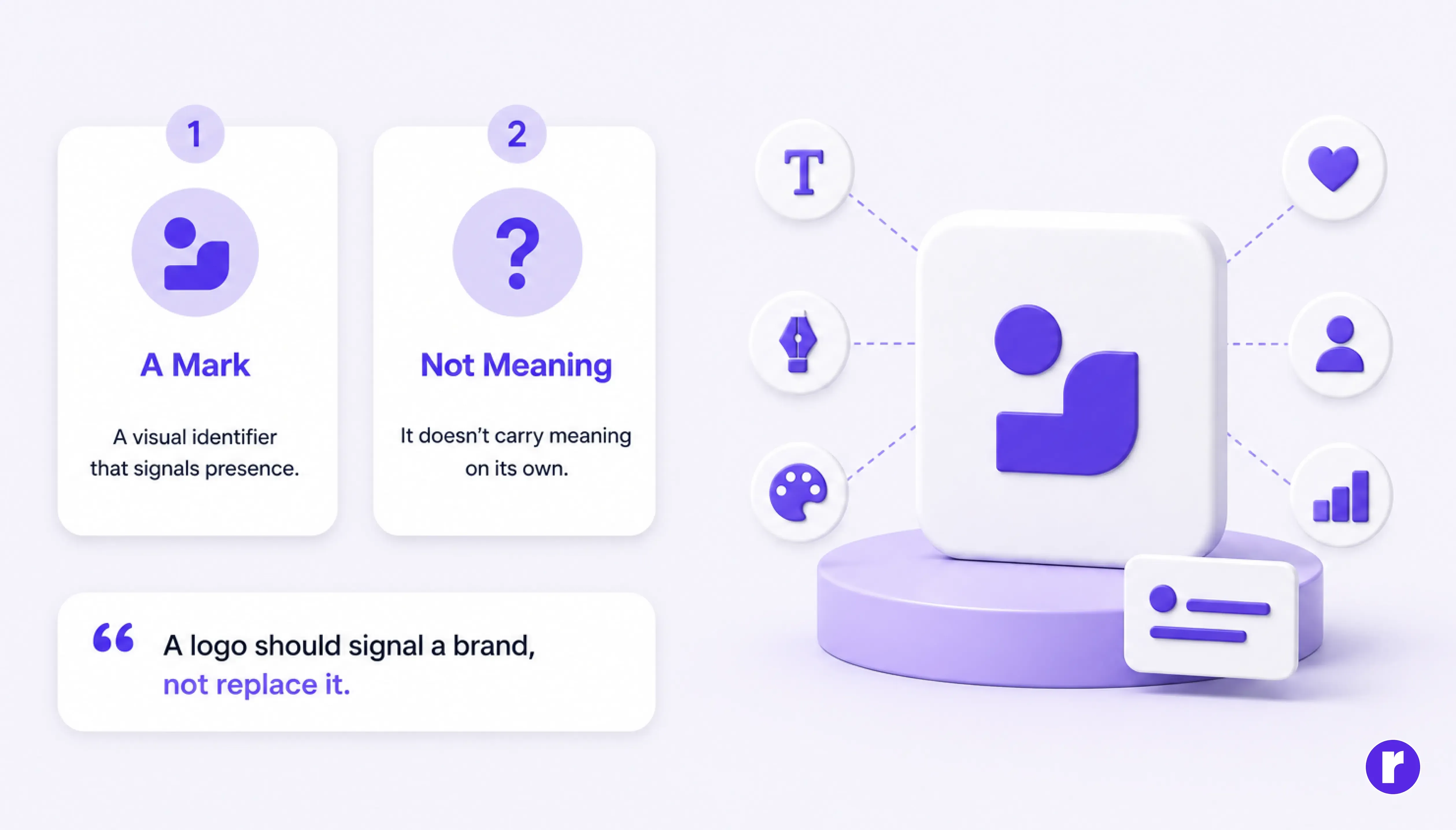
A logo identifies a business instantly. It helps people recognize you, but it doesn't tell the full story of who you are. It can be:
- A wordmark
- A symbol
- A combination of both
Its job is to be recognizable, memorable, and adaptable across different platforms.
Here's the reality: A logo can communicate style, personality, and recognition - but trust and emotional connection come from the experiences people have with your business. Ask yourself: If someone saw your logo without your name, would they know what you stand for?
Most logos are expected to do too much. Businesses often expect logos to communicate identity, build trust, and create emotional connection. While a logo supports those goals, it cannot achieve them on its own. Those qualities are earned through consistent customer experiences.
Pro tip: A logo should signal a brand, not replace it. If your logo feels like it’s doing all the heavy lifting, your foundation is probably missing.
The Brand: The invisible power
A brand is more than a logo or a visual identity. It's the overall impression people have of your business after every interaction. You build it over time - through repeated experiences that either reinforce trust or shape your overall brand experience.
What makes a brand?
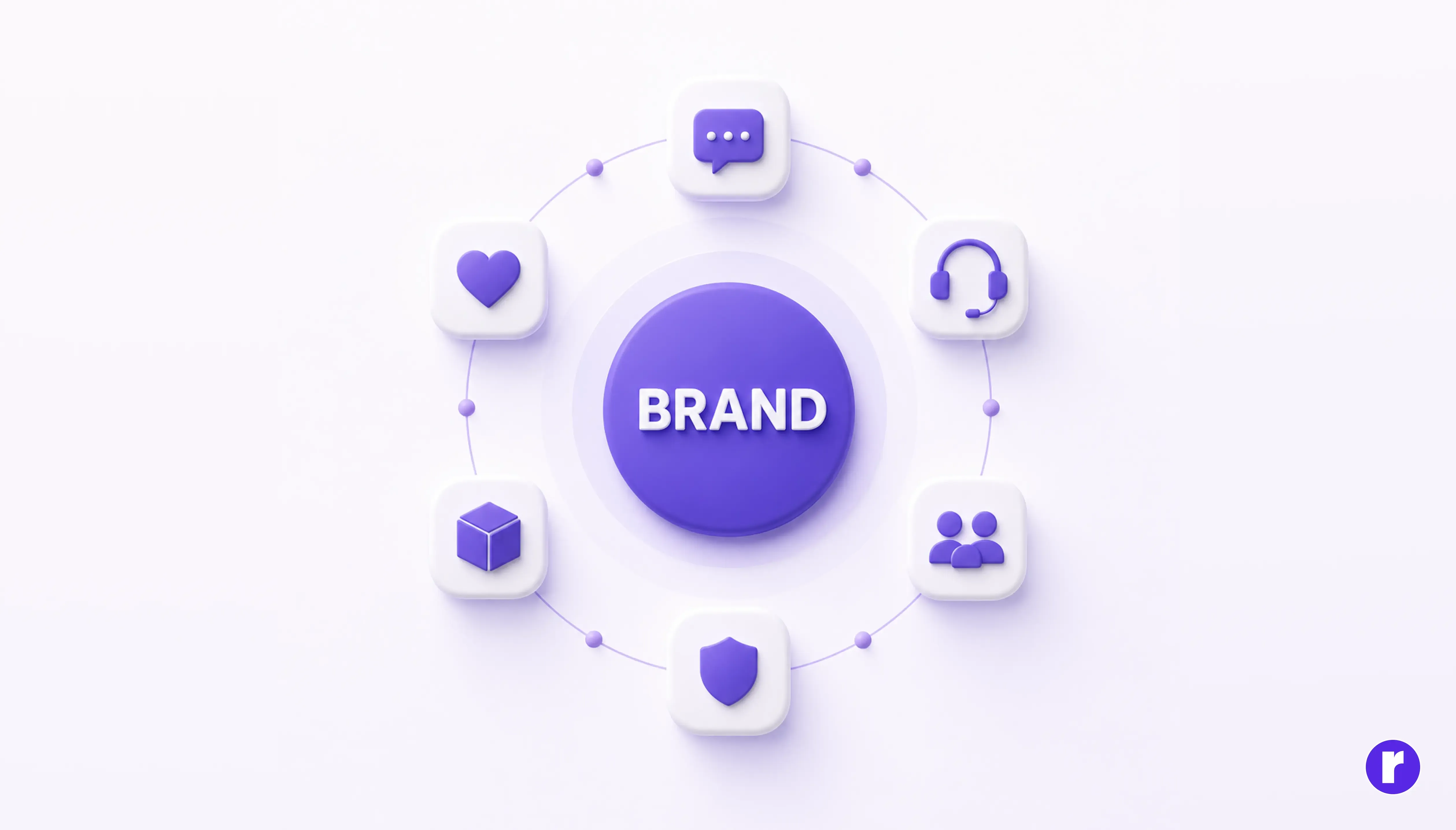
A brand is built through everything customers experience, including:
- Your tone of voice
- Customer support
- Product or service quality
- Consistency across every touchpoint
These experiences shape how people think and feel about your business.
Unlike a logo, a brand isn't created overnight. It grows over time through repeated positive experiences that build trust, credibility, and lasting relationships with customers.
For example: Two companies can have equally “good-looking” logos. One delivers consistently great service, communicates clearly, and stands for something meaningful. The other doesn’t. Over time, one becomes trusted. The other becomes forgettable. The difference isn’t design - it’s brand.
The confusion that costs brands
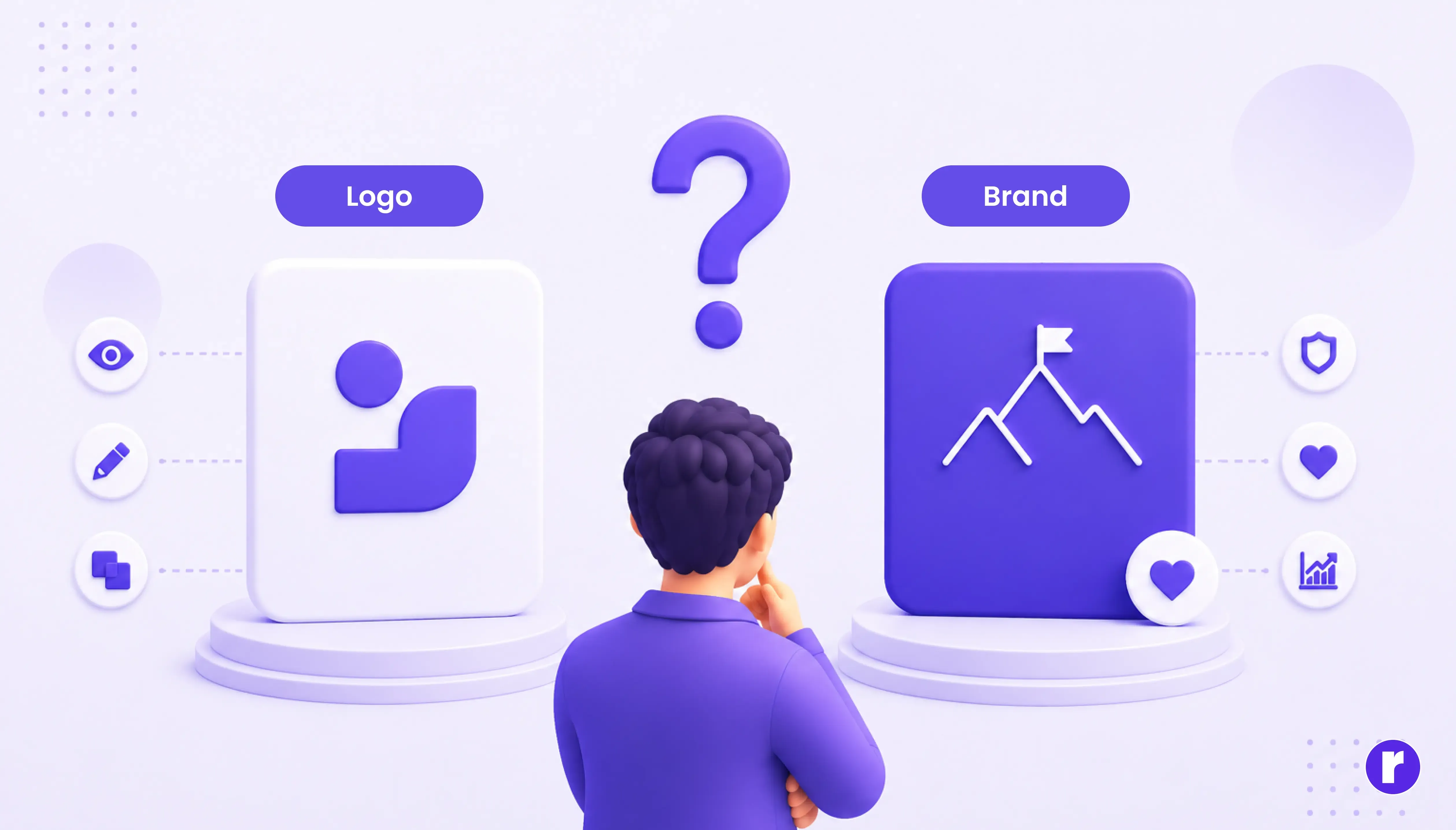
The confusion between logo and brand exists because logos are easy to grasp. You can see them, tweak them, present them in meetings. They feel tangible. A brand, on the other hand, is abstract. It lives in perception. It’s harder to define, harder to measure, and easier to ignore.
So what do most businesses do?
- They invest heavily in visuals while neglecting experience
- They redesign logos instead of fixing deeper issues
- They measure success through aesthetics instead of trust
This leads to a cycle where companies keep “refreshing” their identity without ever addressing what actually shapes how people feel about them.
Looking for the right logo design tool? Explore the top tools designers use. Read the full guide
How they actually work together
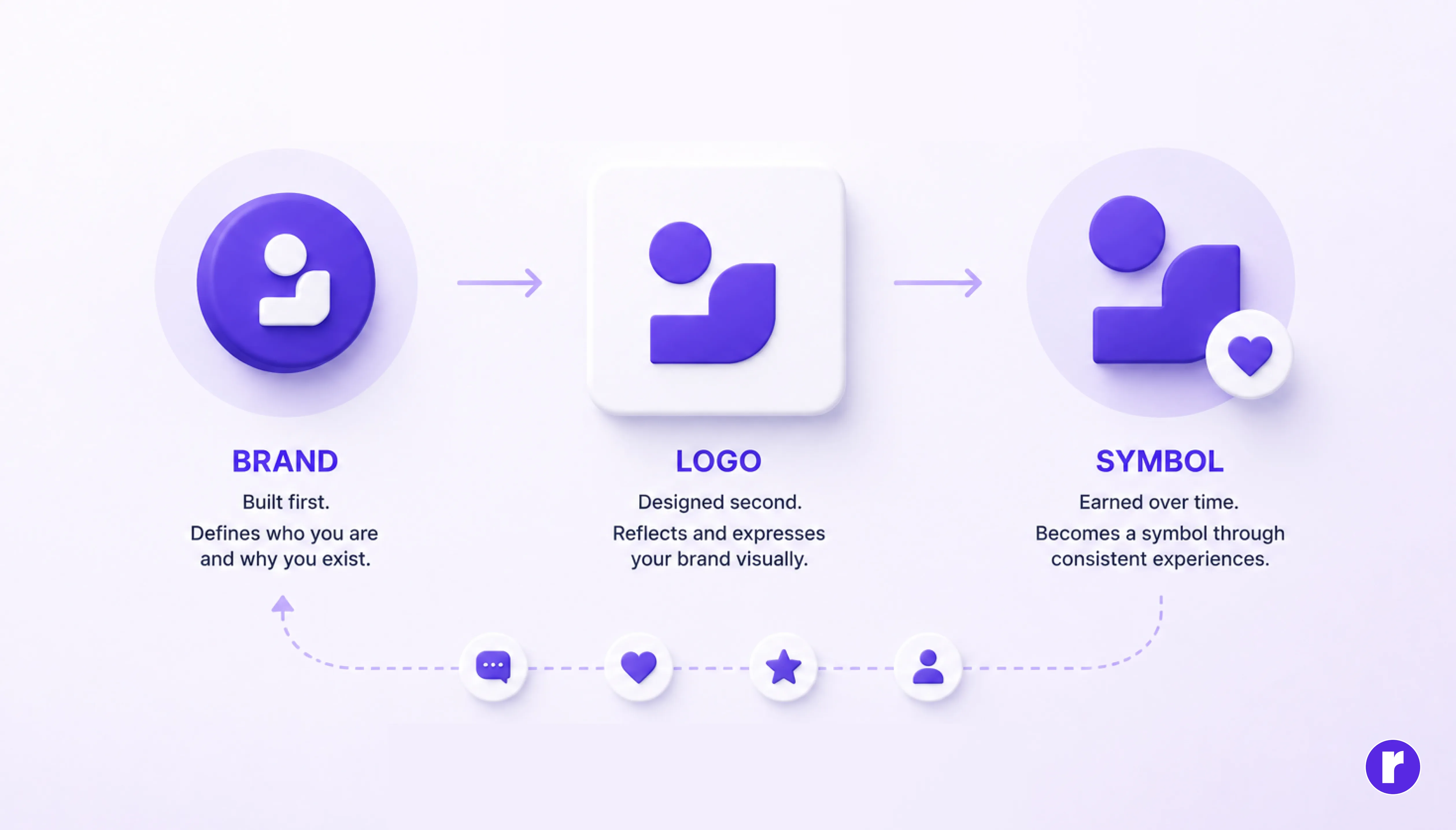
A logo and a brand are not competitors. They are partners - but only when used in the right order. Why both matter:
- A strong brand without a clear visual identity struggles with recognition. It becomes harder to scale and harder to stay consistent.
- A strong logo without a strong brand, on the other hand, feels empty. It may look polished, but it carries no credibility.
Both need each other to create a lasting impression.
The relationship works like this: Before designing a logo, define what your business stands for, who it's for, and how you want people to perceive it. The logo is then designed to reflect that identity. Over time, every positive customer experience gives the logo meaning, turning it into a symbol of trust and quality.
For example: Think about Apple. Its logo is simple, but it didn't become one of the world's most recognizable symbols because of its design alone. Apple's logo became meaningful through years of innovative products, consistent quality, and memorable customer experiences - not through design alone.
Where most people mess up
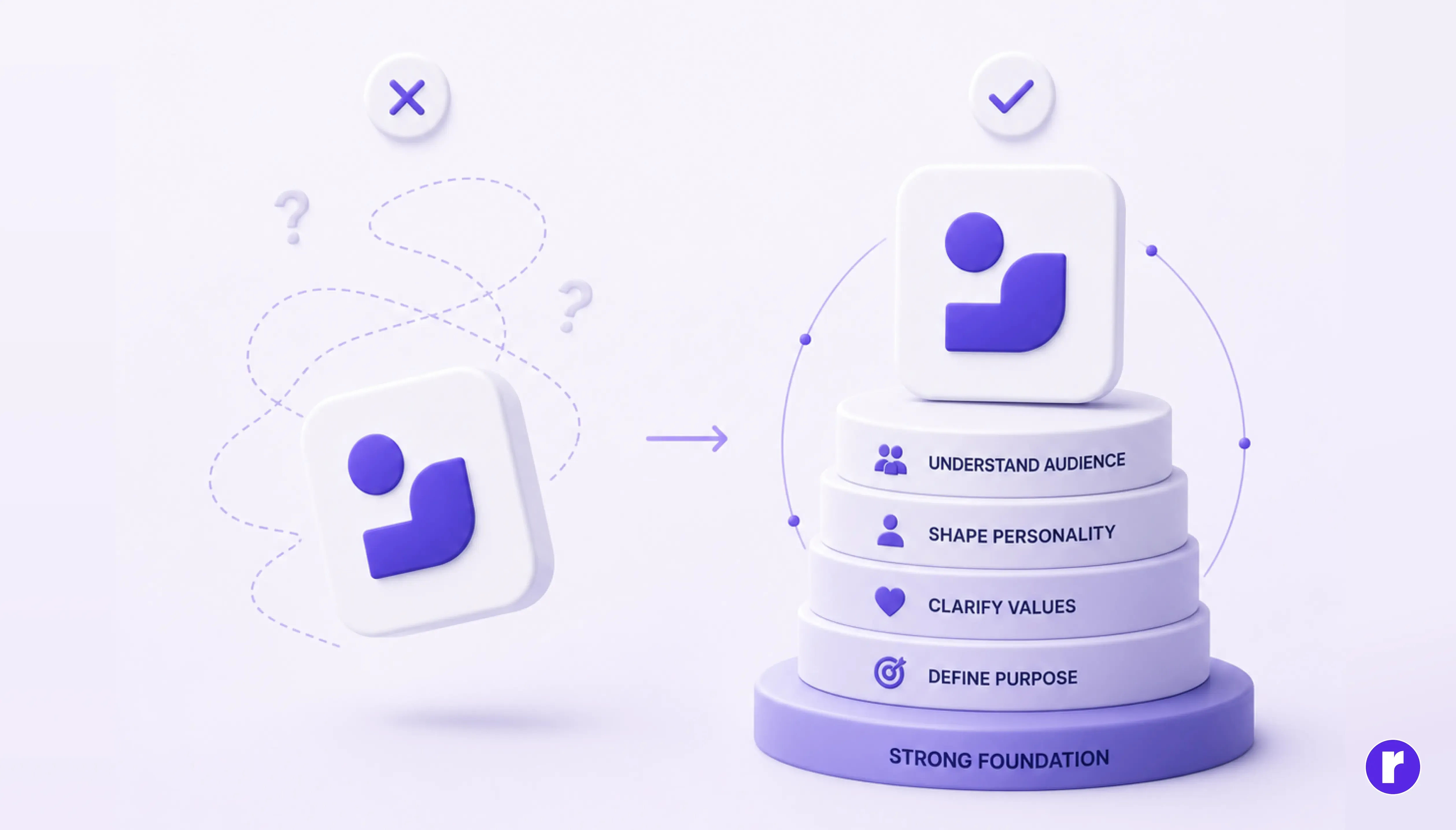
Most businesses start with the logo. Before they’ve clearly defined who they’re speaking to. Before they understand what they stand for. Before they’ve decided how they want to be perceived. So the logo ends up looking clean, modern, even impressive - but disconnected. It lacks a strong foundation.
This is why so many logos feel interchangeable. They follow trends instead of representing something real. The smarter approach is slower, but far more effective. The brand strategy is defined first through purpose, values, positioning, and personality. The brand itself develops over time through every customer interaction.
Visit Radial code learn for more design insights and creative resources.
Logo vs Brand at a glance
| Feature | Logo | Brand |
|---|---|---|
| Purpose | Recognition | Trust & loyalty |
| Represents | Business identity | Customer perception |
| Created by | Designers | Entire business |
| Changes | Easier | Harder |
| Built through | Design | Experiences |
Conclusion
A logo might be the first thing people notice, but it’s never the reason they stay. A brand is built in the moments that follow - in consistency, in experience, in how well you deliver on what you promise. Design can attract attention, but only meaning can sustain it. So instead of starting with how things look, start with what they stand for. Because when a brand is built right, the logo doesn’t have to work hard - it simply represents something people already believe in.